Her Story
About Marilyn
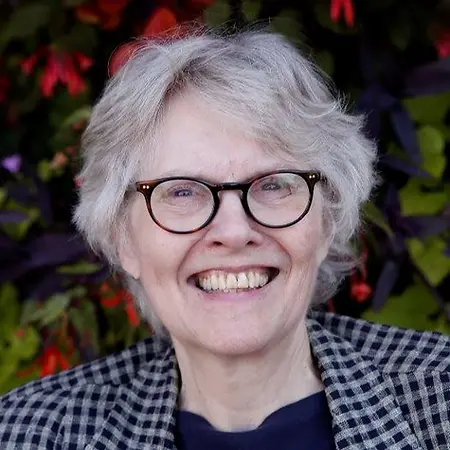
Marilyn Raichle is an executive director, author, and advocate for transforming how society understands and supports dementia care. She serves as Executive Director of Maude's Awards, an initiative dedicated to recognizing and funding innovative approaches that improve the quality of life for people living with Alzheimer’s disease and other dementias, as well as their care partners. In this role, she oversees an annual awards program that highlights creative, human-centered models of care and helps bring them to wider attention across the dementia care community. She is also the author of Don’t Walk Away: A Care Partner’s Journey, a memoir that reflects on her personal experience supporting her mother through dementia and reframes caregiving as a journey of connection, presence, and meaning.
Before her current leadership role, Raichle founded The Art of Alzheimer’s, a platform inspired by her mother’s unexpected emergence as an artist following her diagnosis. Through this work, she helped shift public perception of dementia by showcasing how creativity and emotional expression can persist even as memory declines. Her advocacy is grounded in lived experience as a long-term care partner, during which she discovered that moments of joy, creativity, and human connection can remain central even in advanced stages of cognitive decline. This perspective has shaped her broader mission to reduce fear around dementia and encourage more compassionate, engaged forms of caregiving.
Raichle’s academic background includes graduate study at the Harvard Kennedy School, where she focused on public administration and social impact. Across her work, she has become a prominent voice in dementia care innovation, frequently participating in podcasts, speaking engagements, and community initiatives that promote dignity-centered approaches to aging. Her writing and leadership continue to influence caregivers, healthcare professionals, and organizations seeking to reimagine how society supports individuals living with cognitive change.
Her Interview
Ten minutes with Marilyn
01What do you attribute your success to?
I attribute my success to Mother and the way I was raised. I was raised in a family where we were basically told to do something important. That was our mission. We had to do something important. In our family, it was more strict - we were told to win. Mother's family were Scottish Calvinists, and you had to have a purpose in life. It was essential. It was just inbred. But after mom changed me through my experience with her as her care partner, I learned the most important lesson - to listen and to ask questions. That's what Mother taught me. Every day with Mom was a discovery about her or about me, because she basically taught me how to live. It really was the most wonderful decision I've ever made in my entire life.
02What’s the best career advice you’ve ever received?
The most important piece of advice I learned after all my time with Mom and all of her companions in assisted living is to listen and to ask questions. That is the most important thing Mother taught me. This advice transformed not just my work but my entire approach to life and relationships.
03What advice would you give to young women entering your industry?
I have three pieces of advice. One is, in the United States, buy a house. The other is to follow your passion - if you believe what you're doing is making a difference in the world, and that's the most important thing, if you believe that, then follow it. And the one piece of advice I give to every single person after all my time with Mom and all of her companions in assisted living is to listen and to ask questions. That is the most important thing Mother taught me.
04What are the biggest challenges or opportunities in your field right now?
The biggest challenge in dementia care right now is that caregivers are operating without a net because our society gives them absolutely no support. There's a crisis called the Forgotten Middle - if your Social Security payments put you one penny over the cap for Medicaid and you have no assets, your option is to die. I've been told that by people in the senior living field. I asked what would you tell someone in that position, and they said, die. It's so expensive, and if you don't have a lot of assets, you're basically screwed. But there's also an incredible opportunity - when people see the art created by those living with dementia, they immediately forget their fear of Alzheimer's and they're willing to actually listen. That's how we can change the conversation and help people understand that these are wonderful human beings who can live and thrive and live with happiness if we give them the support.
05What values are most important to you in your work and personal life?
The most important value to me is making a difference in the world. I was raised in a family where we were told to do something important - that was our mission. It was essential to have a purpose in life. Through my experience with Mom, I learned that every day can be wonderful and a discovery if you approach it with openness and compassion. I believe these are wonderful human beings who can live and thrive and live with happiness if we give them the support. That belief drives everything I do. I also deeply value bringing joy to others, whether through my work with dementia care or something as simple as baking cookies for people, because it makes people so happy.
Join Influential Women and start making an impact. Register now.