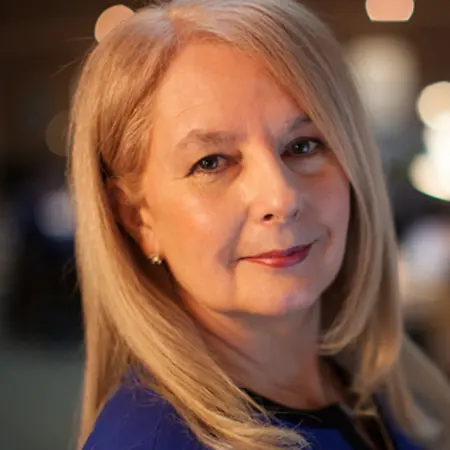
Her Story
About Marsha
Marsha Wills-Karp, PhD, is the Anna M. Baetjer Professor of Environmental Health Sciences in the Department of Environmental Health and Engineering at the Johns Hopkins Bloomberg School of Public Health and Director of the NIEHS P30 CHARMED Community Health Center in Baltimore, Maryland. After serving 13 years as department chair, she is focusing more deeply on community-engaged environmental health initiatives. She also serves as a principal investigator on a federally funded training grant, mentors doctoral students, and teaches grant writing to prepare the next generation of environmental health leaders. Dr. Wills-Karp’s research centers on the environmental and genetic determinants of allergic and immune diseases, with a primary focus on asthma and other pulmonary conditions. Her early laboratory discoveries—including a highly cited paper published in Science Magazine in the 1990s—identified a pathway implicated in asthma that contributed to the development of therapies now used in clinical practice. Increasingly, her work bridges bench science and community application, partnering with underserved neighborhoods to document pollution-related harms and implement practical exposure-reduction strategies that improve public health. She previously held leadership roles at Cincinnati Children's Hospital and has launched and led innovative academic programs throughout her career. Dr. Wills-Karp earned her PhD in Physiology from UC Santa Barbara and completed postdoctoral training at Yale University and Johns Hopkins. An active member of national professional organizations, she is widely recognized for her scientific contributions, academic leadership, and commitment to translating research into meaningful community impact.
Her Interview
Ten minutes with Marsha
01What do you attribute your success to?
I attribute my success to learning continuously on the job and allowing my evolving interests and curiosity to guide my work. I’ve always been driven to explore new questions and pursue innovative ideas. Most importantly, I focus on translating novel basic research into meaningful therapies and practical impact that improve lives.
02What advice would you give to young women entering your industry?
My advice to young women entering this industry is to develop strong grant-writing skills and actively seek relationships with funders and philanthropic partners. Be willing to build coalitions beyond traditional academic settings to expand your impact. Most importantly, stay curious, keep learning on the job, and focus on translating your work into meaningful real-world outcomes.
03What are the biggest challenges or opportunities in your field right now?
The biggest challenges in my field are funding cuts, political rollbacks, and the loss of scientific talent to other countries. At the same time, there are opportunities to form coalitions and nonprofits outside academia and engage philanthropic partners to continue and expand community-focused environmental health work.
04What values are most important to you in your work and personal life?
The values that guide me are evidence-based action, making a real impact in the community, serving underprivileged populations, mentoring others, and translating scientific research into interventions that improve people’s lives.
Join Influential Women and start making an impact. Register now.