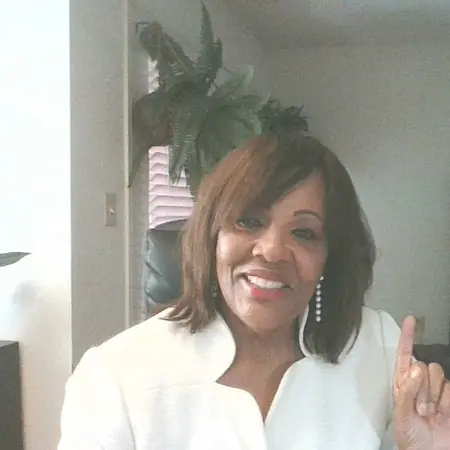
Her Story
About Mary
I founded TeleCounseling Network Services in Brooklyn, New York around 1994 when I was working with Brooklyn College, City University of New York. They had started a program for mothers on welfare, TANF recipients, and I noticed that because they were on fixed income, many of them sometimes had attendance issues because they didn't have money to take a bus or a subway to the program. Many of them had crisis situations from time to time, and I found that if we could provide service via telephone, we would be able to meet their needs. That's how the idea and the name TeleCounseling Network Services was born. I'm basically a problem solver, and I think most people who are into the counseling profession are essentially problem solvers. They help people problem solve their problems. The work requires you to think outside the box, and this led me into the forensic rehabilitation counseling field as a vocational expert. I worked as a vocational rehabilitation counselor from 1985 until I retired in 2013. The company was inactive for a number of years, and I reactivated it in 2011 or 2012 when I became a federal government contractor, providing expert testimony to the Social Security Administration Hearing Offices throughout the United States. I was trained through George Washington University, which was a very good program. I'm very fortunate to have been able to attend that type of program because it involves counseling, job placement, understanding medical terminology and technology, and understanding the law pertaining to disability to a certain degree. You really need training to help you stay in your lane and understand the elements of the job, the different variables and components. When we give our testimony, it's always under oath. One of the things I particularly like about this work is that it's a non-adversarial environment. Our focus is specifically forensic vocational rehabilitation - we're there to help the judge understand whether an adult can do any work they did in the past, or if there is any work in the national economy that individual can do. At this stage, I'm pretty much at the top of my game. I enjoy working with federal administrative law judges all across the United States, and I'm comfortable retiring as a vocational expert.
Her Interview
Ten minutes with Mary
01What do you attribute your success to?
I attribute my success to having a good work ethic. You have to be where you're supposed to be when you're supposed to be, and you have to be there and ready to go. When I first began this profession, I felt like I was thrown under the bus a couple of times by some attorneys. It was so brutal that I was so messed up that I had to crawl out the back. I was too embarrassed to crawl out the front. But I would go home, cry, wipe myself off, and I decided that I want this. I would get up and be back there on Monday mornings, always. This is the type of job that takes many years to get to this point. In addition to the education and training, you have to have a good work ethic. When those painful and embarrassing experiences happened, I would go home and think about what occurred in that courtroom and how I could have performed my job better. Most of the time when that happens, you're not as prepared as you should have been. I would take a look at myself and think about how I could have prepared better for that particular case. That's what it's all about. By the next day or the next week, it never happened - you move on. My background in therapy, education, and my church and faith have helped me maintain a balance. I also believe very much in neuroplasticity. I stay active and functional, and I don't do a lot of things that traditional senior citizens do. When you stay at home and become inactive, you begin to decline. You have to stay active.
02What advice would you give to young women entering your industry?
Be true to yourself. You gotta know who you are and pretty much where you're going. This field in particular, forensic rehabilitation counseling, AKA vocational expert work, requires training. I would like to see more training in the field, because when I came in 13 years ago, it was very territorial. Just like you have doctors and attorneys and other professional people, they allow their treatment to pretty much dictate, and when everyone testifies and does their work, they're pretty much on the same page. I think in looking at the work that we do, particularly with Social Security, we need a little bit more training in the field. The program I attended at George Washington University was very good, and I don't think I would have made it without it. It involves counseling, job placement, understanding medical terminology and technology, and understanding the law pertaining to disability to a certain degree, although we don't practice law. You really need training to help you stay in your lane and understand the elements of the job, the different variables and components, but at the same time, stay in your lane. You need to understand how to function in a multidisciplinary legal environment and stay in your lane. You have to have a good work ethic. You have to be where you're supposed to be when you're supposed to be, and you have to be there and ready to go. This is the type of job that takes many years to get to this point.
03What are the biggest challenges or opportunities in your field right now?
I think we need a little bit more training in the field. When I came in 13 years ago, it was very territorial. Just like you have doctors and attorneys and other experts and professional people, they allow their treatment to pretty much dictate, and when everyone testifies and does their work, they're pretty much on the same page. In looking at the work that we do, particularly with Social Security, we need more training in the field. You really need training to help you stay in your lane and understand the elements of the job, the different variables and components of the job, but at the same time, stay in your lane. When we give our testimony, it's always under oath, and the judges always inform us that we are not attorneys. I'll take it a step further - we are not medical experts either, because sometimes we have other experts come in and testify. You need to understand how to function in a multidisciplinary legal environment and stay in your lane at the same time.
04What values are most important to you in your work and personal life?
I've come to a place in life where my primary interest is to be able to help someone. I am not big on promoting myself at this stage of life. There was a time that I was, but I've mellowed out. I'm not interested in being star-like at all. I have a quiet, simple life that I enjoy very much. I enjoy my anonymity very much. But at the same time, I think wanting to give and help others when and where I can fulfills my purpose in life. I'm not interested in being in the limelight or anything like that. I enjoy a quiet, simple life. My background in therapy, education, and my church and faith have helped me maintain a balance. I believe very much in neuroplasticity. I stay active and functional. Well-balanced women can really help you stay focused and help you stay healthy, and it's reciprocal. I've learned to deal with grief and losses step by step. Over time, I came to realize that it didn't hurt anymore. I was able to move forward with understanding that life has not ended for me. On a spiritual level, I was just taken through the process and learned to live without them and go on with my life and have a productive and meaningful life.
Join Influential Women and start making an impact. Register now.