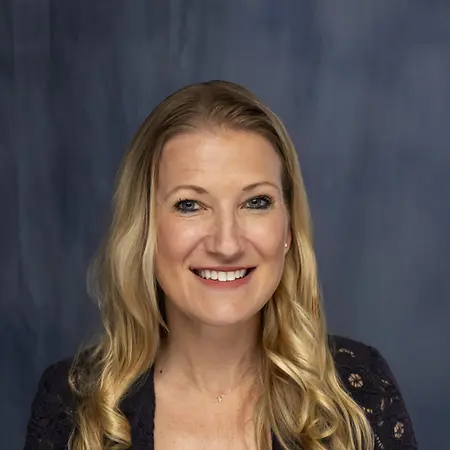
Her Story
About Mary
I am a higher education advancement and development professional with over a decade of experience in major gift fundraising, donor relations, and strategic advancement initiatives, currently serving as Senior Director of Advancement at the University of Florida College of Nursing, a role I have held since December 2025, where I lead advancement strategy and major gift fundraising to support the college's mission of excellence in nursing education, research, and patient care. Prior to this role, I served as Senior Director of Development for the Herbert Wertheim College of Engineering within the Department of Mechanical and Aerospace Engineering and the Department of Materials Science and Engineering at the University of Florida for eight years, where I led development strategy and major gift fundraising for two flagship engineering departments. Earlier in my career, I served as Assistant Director of Development at Florida Polytechnic University for over three years, where I conducted major gift fundraising activities with a goal of five million dollars, founded and coordinated the Women in STEM Event to raise funds supporting scholarships and outreach, planned and executed special events. I also served as Distinguished Events Specialist and Community Representative for over three years at the American Cancer Society, where I oversaw Cattle Barons' Ball events, managed and recruited high-level volunteers, and exceeded fundraising goals for the Making Strides Against Breast Cancer walk. Across my career in higher education advancement and nonprofit fundraising, my work has been driven by a commitment to building meaningful relationships with donors, advancing institutional missions, and creating opportunities for students and researchers through strategic philanthropy. Whether I am leading advancement initiatives for a college of nursing, supporting engineering programs, or managing community fundraising events, I bring a strategic, collaborative, and results-driven approach that has earned trust from donors, colleagues, and leadership. I am proud of the work I have done throughout my career and excited to continue advancing the University of Florida College of Nursing's mission through strategic philanthropy and donor engagement.
Her Interview
Ten minutes with Mary
01What do you attribute your success to?
When I reflect on my career, I attribute my success to a combination of faith, family, hard work, and a willingness to bet on myself.
I've always been a self-starter. No one has ever had to motivate me to work hard or pursue opportunities. If I see something that can be improved or a vision that can become reality, I'm willing to take the initiative and make it happen. I've learned that success doesn't come from waiting for permission—it comes from being prepared, taking action, and following through.
I'm also incredibly fortunate to have a family that believes in me. My husband and children have been my biggest supporters throughout my career. Advancement often requires early mornings, evening events, travel, and balancing many priorities, and I couldn't do what I do without their encouragement. Knowing I have that support system gives me the confidence to pursue ambitious goals while staying grounded in what matters most.
I've never been afraid of hard work. Every opportunity I've had has been built on preparation, persistence, and a commitment to excellence. I don't believe in shortcuts. I believe in doing the small things consistently well—building relationships, following through on commitments, being prepared for every meeting, and always looking for ways to add value.
I also think one of my greatest strengths is that I genuinely care about people. Fundraising isn't transactional to me; it's relational. I enjoy learning what motivates people, understanding their passions, and helping them create a legacy through philanthropy. That authenticity has opened doors throughout my career and has allowed me to build trust with donors, colleagues, and leaders.
Another contributor to my success has been my willingness to embrace change and think big. Moving from engineering to leading advancement for an entire College of Nursing challenged me to grow as a leader. I enjoy building strategies, creating new opportunities, and helping organizations think beyond what's possible today toward what can be achieved tomorrow.
Finally, I try to maintain a positive outlook. Challenges are inevitable, but I choose to focus on solutions instead of obstacles. I've learned that resilience, optimism, and adaptability are just as important as technical skills. Those qualities have helped me navigate change, build strong teams, and continue growing throughout my career.
If I had to summarize what has made the biggest difference, it would be this:
My success is the result of believing in myself, working hard, surrounding myself with people who believe in me, and never losing sight of why I do this work. I'm motivated by purpose, fueled by relationships, and supported by a family that reminds me every day what truly matters.
02What’s the best career advice you’ve ever received?
The best career advice I've ever received is to build relationships before you need them. That advice has shaped every stage of my career.
Early on, I realized that careers aren't built solely on what you know—they're built on trust, credibility, and the relationships you cultivate over time. Whether it's with donors, colleagues, mentors, or volunteers, investing in people without expecting anything in return always comes back in meaningful ways.
One of the best pieces of advice actually came from my son's baseball coach. He always says, "Stay ready so you don't have to get ready." That simple phrase has stayed with me because it applies to everything we do—in our careers, in leadership, and in life. Preparation isn't something you do when the opportunity arrives; it's what you do every day before the opportunity comes. Whether it's learning your organization, preparing for donor meetings, developing new skills, or building your network, staying ready allows you to confidently step into opportunities when they present themselves.
Another lesson I've embraced is "Don't be afraid to take the seat at the table." There were moments in my career when I questioned whether I was ready for the next opportunity, but I've learned that growth happens when you're willing to step outside your comfort zone. Moving from fundraising for one college to leading advancement for an entire College of Nursing is a perfect example. I didn't have every answer on day one, but I trusted that my leadership, experience, and willingness to learn would carry me forward.
I've also learned that people invest in people before they invest in projects. That's especially true in philanthropy. You can have the best proposal in the world, but if you haven't earned someone's trust, the proposal won't matter. Building authentic relationships has always been more important to me than making the perfect ask.
One of my favorite quotes is, "Comfort kills purpose." I remind myself of that often because growth rarely happens when we're comfortable. Every meaningful opportunity in my career has required me to embrace uncertainty, take on new challenges, and stretch beyond what felt familiar. If I had stayed comfortable, I wouldn't have experienced the personal and professional growth that has shaped who I am today.
When I mentor young professionals, I encourage them to be curious, work hard, and treat people well. Your reputation will follow you long after your résumé is forgotten. Opportunities come and go, but your character, integrity, and the way you make people feel will define your career.
Looking back, I realize that every meaningful opportunity I've had has come because someone trusted me—not just because of what I accomplished, but because of how I consistently showed up for others.
03What advice would you give to young women entering your industry?
If you're considering a career in philanthropy, I want you to remember one thing above all else: you're not asking people for money—you're giving them the opportunity to make a difference. Once I embraced that mindset, fundraising became less about making an ask and more about connecting generous people with causes that could change lives.
I've learned that the best fundraisers aren't the ones who talk the most—they're the ones who listen the best. Be curious. Ask thoughtful questions. Take time to understand what matters most to the people you're meeting with. Donors don't make transformational gifts because of the perfect presentation; they give because they believe in the vision and trust the person sharing it.
I've also learned that relationships are everything. Every handwritten note, every thank-you call, every coffee meeting, and every follow-up matters. The little things aren't little—they're how trust is built. Some of the most meaningful gifts I've been part of started years before anyone talked about philanthropy.
Become an expert in your mission. Whether you're raising support for education, healthcare, research, or another cause, know your organization so well that you can confidently explain not just what it does, but why it matters. When you truly believe in your mission, your passion becomes contagious.
Don't let titles or accomplishments intimidate you. Throughout my career, I've sat across from CEOs, entrepreneurs, physicians, and community leaders. What I've realized is that everyone wants to know they're making a meaningful impact. Preparation gives me confidence. I do my homework, I stay curious, and I trust that I belong at the table.
Find mentors who challenge you, encourage you, and help you grow. I've been fortunate to learn from incredible leaders throughout my career, and those experiences shaped the fundraiser and leader I've become. As your career progresses, don't forget to mentor someone else. Our profession grows stronger when we invest in one another.
One of the biggest lessons I've learned is that fundraising is a long game. Not every visit leads to a gift, and that's okay. Sometimes success is simply moving a relationship one step forward. Be patient, stay consistent, and trust the process.
Most importantly, never lose sight of why you do this work. Behind every scholarship, every research breakthrough, every new program, and every life changed is someone who believed enough to give. I never want to forget that my job is to connect generosity with purpose. There are very few careers where you get to help people create a legacy while changing lives at the same time.
People often ask me what success looks like in philanthropy. For me, it's about so much more than dollars raised. Success is measured by the lives we impact, the relationships we build, and the opportunities we create for future generations.
The principles that guide me every day:
- Relationships always come before revenue.
- Listen more than you speak.
- Lead with vision, not with need.
- Be authentic—people invest in people before they invest in projects.
- Stay humble, stay curious, and never stop learning.
If I could leave one piece of advice, it would be this:
Your title may open the door, but your character, integrity, and the relationships you build will define your career. People may remember the gift you helped secure, but they'll never forget how you made them feel. That's the true art of philanthropy.
04What are the biggest challenges or opportunities in your field right now?
Given where I am in my career leading advancement for a major academic health center, I believe philanthropy is at a pivotal moment. The opportunities have never been greater—but neither have the challenges.
The biggest opportunity is that philanthropy is no longer about funding buildings; it's about solving society's biggest problems. Whether it's addressing the nursing workforce shortage, expanding access to education, advancing AI in healthcare, or accelerating life-saving research, donors want to invest in bold ideas with measurable outcomes. They aren't just writing checks—they want to be partners in creating solutions.
For me, especially in nursing, the opportunity is enormous. Healthcare is one of the few causes that touches every person. Every family has been impacted by a nurse. That gives us an incredible platform to connect donors to something deeply personal. We have to move beyond talking about needs and start sharing a compelling vision for the future—what healthcare could look like because of their investment.
One of the biggest challenges is that donors have more choices than ever before. Universities aren't just competing with one another; we're competing with hospitals, nonprofits, private foundations, startups, and direct-giving platforms. To earn a donor's investment, we have to clearly demonstrate impact, transparency, and stewardship. Donors expect to see results, and rightly so.
Another challenge is earning trust in a world filled with constant noise. People are overwhelmed with information and requests for support. That's why authentic relationships matter more today than they ever have. Technology can help us identify prospects and improve efficiency, but it will never replace genuine human connection. The most transformational gifts I've been part of happened because of trust that was built over time—not because of a perfectly timed solicitation.
I also believe the next generation of philanthropy will look different. Younger donors want to be engaged before they make a major gift. They want to volunteer, mentor students, serve on advisory boards, and see firsthand how they're making a difference. Philanthropy is becoming much more experiential, and I think that's a positive shift.
As leaders, I think we also have a responsibility to become better storytellers. Data opens the door, but stories move hearts. When I can connect a scholarship recipient, a patient, a faculty member, or a groundbreaking research discovery to a donor's values, that's where transformational philanthropy happens.
Ultimately, I believe the future belongs to organizations that are bold enough to think differently. The institutions that will thrive won't simply ask donors to fund today's priorities—they'll invite them to help build tomorrow's solutions.
If there's one thing I've learned throughout my career, it's this: philanthropy isn't about raising money. It's about raising possibilities. When we help people see the impact they can have on future generations, we don't just secure gifts—we create lasting legacies.
05What values are most important to you in your work and personal life?
The values that guide me in both my work and personal life are integrity, relationships, service, growth, and gratitude. Those aren't just words to me—they shape how I lead, how I make decisions, and how I show up every day.
Integrity is my foundation. I believe trust is earned through honesty, consistency, and following through on commitments. In philanthropy, donors invest in people before they invest in institutions, so protecting that trust is something I never take for granted.
Relationships are at the heart of everything I do. Whether I'm working with donors, colleagues, alumni, or students, I believe the strongest outcomes come from genuine connections. I try to lead with empathy, listen first, and make people feel valued. The relationships we build today often become the opportunities of tomorrow.
I'm also driven by service. I've always believed leadership is about serving others, not being served. One of the things I love most about working in higher education and healthcare is knowing that every scholarship, every research breakthrough, and every philanthropic investment has the potential to change someone's life. That gives my work purpose.
Another value that's important to me is continuous growth. I believe there's always something new to learn—about leadership, fundraising, innovation, or even about myself. I've never wanted to become comfortable. I want to keep growing so I can better serve my team, my institution, and the people who invest in our mission.
Finally, gratitude keeps me grounded. I try not to lose sight of how fortunate I am to do meaningful work alongside incredible colleagues and generous donors. Gratitude reminds me to celebrate progress, recognize others, and appreciate the impact we're making together.
Personally, those same values extend to my family. I want my children to see that success isn't just measured by accomplishments or titles—it's measured by how you treat people, the difference you make, and the legacy you leave behind.
At the end of the day, I hope people don't remember me simply for the dollars I helped raise. I hope they remember that I led with authenticity, cared deeply about people, and inspired others to make a lasting difference. To me, that's the kind of legacy worth building.
Join Influential Women and start making an impact. Register now.