Her Story
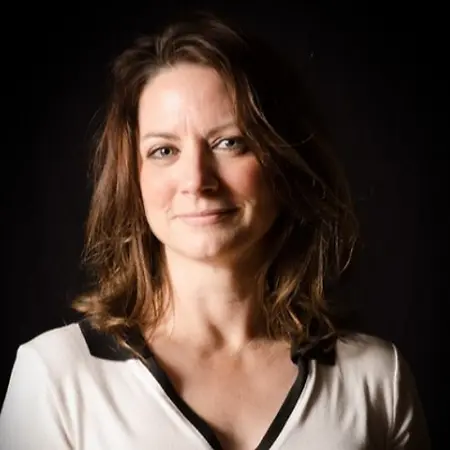
About Michelle
I've spent 26 years at Oak Ridge National Lab, starting as a postdoc and growing into a distinguished scientist at the fifth of six staff levels. My career has evolved significantly, especially in the last six or seven years when I found myself in the right place at the right time with research that wasn't popular initially but became highly relevant. I manage competing responsibilities: leading my own research projects as an independent PI, mentoring graduate students and postdocs, managing DOE funding portfolios where I help staff compete for funding against other national labs and institutions, and serving in strategic leadership roles for the lab. I've led strategy development twice for the lab's 8,000 people, first establishing an internal carbon management funding source to help staff develop proof-of-principle research, and currently working on critical materials and minerals strategy, which involves engaging with industry partners and preparing the lab for long-term challenges as the U.S. reduces dependence on foreign sources. What drives me is solving applicable problems for industry and de-risking science so it can be deployed beyond the bench. I've learned that success comes from listening really well to what sponsors want, bringing the right people to the table, and always thinking proactively about what's coming next rather than waiting for it to happen.
Her Interview
Ten minutes with Michelle
01What do you attribute your success to?
I attribute my success to my upbringing and what I learned from my dad's business. He had a real estate business with rentals, a car wash, laundromat, and things like that, and I was very much engaged with that business. That totally influenced how I engage with people and how I think about things, how I think about what needs to be done, and always being proactive and thinking steps ahead instead of waiting for it. Working at the lab with all kinds of people, understanding how they communicate and figuring out how to get them to work better, listen better, or be better for themselves - that definitely came from my upbringing. I've also learned that if you get with the right people where you feel like your career wants to go, you ask them to open a door for you. Having somebody give you the opportunity is the biggest thing you can ever have. If you have somebody that's backing you up and advocating for you, or opening a door for you, it makes a huge difference. Now you've got to take that and do it well, because it's yours to lose. But I think I've proven myself enough, which is why I'm in my second part of strategy for the lab - they at least trusted me with the vision and how to move things along.
02What are the biggest challenges or opportunities in your field right now?
Critical materials and minerals are going to be a long, long, long-standing issue for the United States. We're shutting off a lot of communication with China and certain other countries, and they supply all our critical materials and minerals. I just got back from a company in Dallas where we went to engage with them to see what we can do - they do mining for critical materials and make magnets out of critical materials. I'm setting up strategy here right now for the lab on what we need to get ready for and new funding sources, because this is going to be long-term. Our goals are to work on problems that are relevant to the taxpayer and what we can do to de-risk science for industry.
03What values are most important to you in your work and personal life?
What's most important to me is helping people and seeing them be successful. It really makes me satisfied to see when people are successful, not just myself but other people. I mean, I want to see myself successful too, of course, but guiding people has been my biggest thing - whether it's guiding them in their science or guiding them in their path of how to get funding, which is not an easy thing to do and requires a very different mindset. I've realized more lately that young women are reaching out to me because they see that I busted through and got through this, and they're looking to me to show them how I did it. It's not that I'm a role model, but it's more that they see themselves in me, whether it's age, sex, nationality, or culture. Making sure that somebody they can relate to has made it through is really important. I don't do HR well and I don't like to micromanage - I'm more at the level of what can I do to help the bigger picture and help where things need to go. I like to think that my view on things and how to interact with people are really applicable - I have to be able to think of things, listen really well, and hear what sponsors are saying and what they want, and execute on that by bringing the right people to the table.
Join Influential Women and start making an impact. Register now.