Her Story
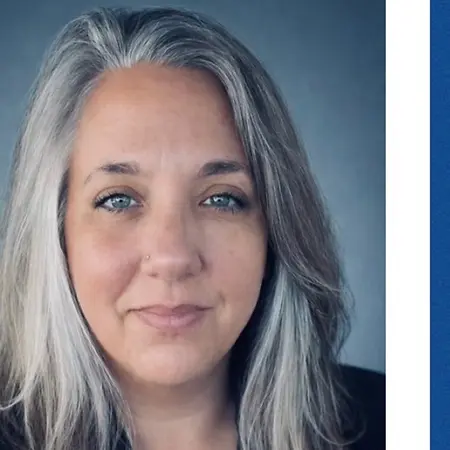
About Michelle
I'm the Executive Director at Mental Health America of Licking County. I always knew that I wanted to be in some type of leadership role, and prior to this, my goal was to always eventually be a principal. Then COVID happened, and that shift kind of changed. This role opened up, and with my experience and my lived experience, I felt inclined to go into the mental health field. I grew up in foster care in a very abusive biological household, and I knew from a young age that my only way out of that type of life was being educated. I decided to put myself through high school and college, and then it was just kind of stepping stones - I was at a local level, then county level, and now I'm running the organization. I credit my elementary school teachers who heard me and helped me through those times when I was a part of multi-system, complex systems. Even though I would change schools often, I felt like that was one stable piece - I knew that my teachers were going to be there for me, and I think that eventually led me to education and then to keep going on from there. I draw a lot of inner strength from knowing what kind of life I had to grow up in and knowing that was not what I wanted for myself and eventually for my children. I value being human, and I think that's so helpful in the way I handle business with my staff and community partners that I work with. I come across as just being real, and I'm a huge advocate for things I believe in. My goal every day is to make someone else's day better. I'm currently getting my second master's right now - an MBA in organizational leadership. I also write grants on the side for the domestic violence shelter as contract work. I wrote a book called Ashes to Hope about breaking the chains of the child welfare system, and I've been invited to do a webinar for The Guardian and write an article for them. I've been on several boards including the Central Ohio Regional Prevention Council for Child Abuse and Neglect, a Head Start Governing Board, and a Community Action Council board. I really like to get myself involved because you never know who you're going to meet - I really like to network.
Her Interview
Ten minutes with Michelle
01What do you attribute your success to?
Honestly, I contribute a lot to my lived experience. I grew up in foster care and in a very abusive biological household, and I knew from a young age that my only way out of that type of life was being educated. I knew that if I could be educated, I could pretty much choose who I wanted to be. So I decided to put myself through high school and college, and then it was just kind of stepping stones - I was at a local level, then county level, and now I'm running the organization. I think honestly, a lot of inner strength. I knew what kind of life I had to grow up in, and I knew that that was not what I wanted for myself and then eventually for my children. So I draw a lot on that - I know what rock bottom looks like, and I know I never want to be there again.
02What advice would you give to young women entering your industry?
I would say, if it's truly a field that you want to get into, get into it, but remember to be intentional with the work that you're doing, and then also maintain a good work-life balance, making sure that you're taking care of yourself. You can't help and support others in a good, healthy way if you're not taking care of yourself first, and that's something that I wish someone would have instilled in me a long time ago. I've been getting better over the years of just recognizing that I've got to take time for myself. This work is unfortunately never-ending, and it's always going to be there. It's not easy - my position involves suicide prevention and it can be really rough. But I feel like that can be a strength for people too, just knowing that what you're doing is helping people.
03What are the biggest challenges or opportunities in your field right now?
Funding has been getting eliminated pretty quickly, typically for a lot of nonprofits. There's some different bills that are looking to be passed soon that are going to require certain parental consent for youth to be able to access mental health care, which is really scary, especially when our youth have maybe older parents that don't really agree with getting help mentally. I'm afraid of what the suicide rate might look like if that happens. Suicide is the leading cause of death, or second leading cause of death for certain age groups, so that's something that we're kind of dealing with every single day. It's also hard to get and pay for staffing for nonprofits. There are other benefits, like if people have student loans, then they can get student loans paid back and things like that, but it's a hard field. Mental health is not an easy field to be in, working with families and stuff, but it's rewarding. It's super rewarding.
04What values are most important to you in your work and personal life?
Personally and professionally, I just value being human, and I think that's so helpful in the way I handle business with my staff, community partners that I work with, and my children. I come across as just being real, and I'm a huge advocate for things I believe in, and I think it comes through in how I do things. I advocate for anyone, and that looks different for every single person I come across. My goal every day is to make someone else's day better. Family is important to me - I knew that the life I grew up in was not what I wanted for myself and eventually for my children.
Join Influential Women and start making an impact. Register now.