Her Story
About Michelle
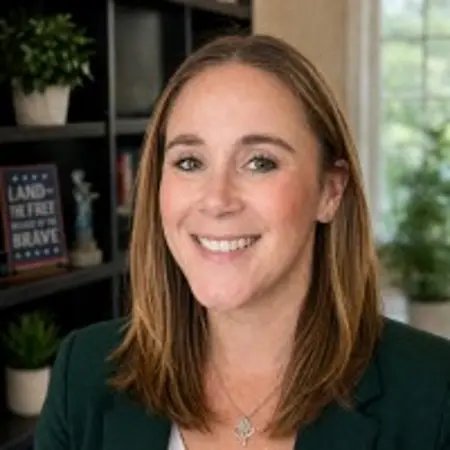
Michelle Primofiore is a Master Sergeant in the United States Air Force and a dedicated Neurodiagnostic Technologist, educator, and emerging leader in occupational safety and health based in the San Antonio, Texas area. Raised in a small town in Northern California by hardworking parents in the lumber industry, she learned early the values of discipline, resilience, and kindness—principles that continue to shape her leadership style today. After attending junior college as a student-athlete in basketball and track, she enlisted in the Air Force in 2006 during Operations Iraqi Freedom and Enduring Freedom, driven by a desire to make a meaningful impact through medical service. Over a distinguished career spanning more than two decades, Michelle has built deep expertise in military healthcare, particularly within the highly specialized neurodiagnostic field. Early in her career, she deployed to Iraq, providing critical care to patients affected by a variety of wartime injuries. She later served at premier military medical facilities including Brooke Army Medical Center and Landstuhl Regional Medical Center in Germany, where she supported complex patient care in an international clinical environment. Known for her people-first leadership, she also served as an additional duty first sergeant, supporting service members through personal and mental health challenges, ensuring they remained resilient both professionally and personally. Today, she serves as an Electroneurodiagnostic Technologist Instructor, the Air Force Service Lead for her specialty, and a trusted consultant to senior Air Force medical leadership, advising on workforce development, operational readiness, and quality of care across the force. A first-generation college graduate, she balanced military service and motherhood while earning her associate and bachelor’s degrees, and is now completing her Master of Science in Occupational Safety and Health. Passionate about mentorship and community impact, she also volunteers with her daughter’s high school medical program, helping students build hands-on clinical skills and confidence as they pursue healthcare careers.
Her Interview
Ten minutes with Michelle
01What do you attribute your success to?
I attribute my success to a combination of hard work, resilience, and the strong foundation my parents instilled in me growing up. They taught me the importance of discipline, kindness, and leading by example—values that have guided me throughout my military career. I’ve also embraced a service-focused leadership style, always prioritizing the well-being and development of others while staying committed to continuous growth and improvement.
02What advice would you give to young women entering your industry?
I think just don't sell yourself short. A lot of times the world tries to bottleneck us into certain categories, and you need to realize that you don't have to follow those paths that society kind of thinks you have to go down. With that, you tie in your resilience and being able to stay at the core of who you are. I'm big on just having a servant leadership type of personality and being able to balance that with my own life while taking care of others. That's really important to not lose sight of when you're being promoted or going through a career field. At one point in time, you were the little man, so don't forget about the little man. I would also say honesty, striving for perfection but not having to obtain it - it's a never-ending finish line where you just continue to challenge yourself.
03What are the biggest challenges or opportunities in your field right now?
One of the biggest challenges in the neurodiagnostic field is that it is highly specialized with limited manning across the services. This creates both a challenge and an opportunity. It requires us to be proactive in developing talent, improving training pipelines, and ensuring we maintain high standards of care worldwide. In my role, I work closely with senior leaders to address these gaps and identify ways to strengthen and sustain our capabilities for the future.
04What values are most important to you in your work and personal life?
I'm big on developing others and being disciplined. In the military, we can tend to walk around like robots, we all even wear the same clothing, but there's a human side to it, and I've always tried to make sure that's not forgotten about because I don't want that to be forgotten about me. I've never lost sight of that. My parents gave me a great example of continued hard work and being kind to others - just the fundamentals of life. They set that foundation for me, and it's how I've continued to strive and lead by example for my troops and my own children.
Join Influential Women and start making an impact. Register now.