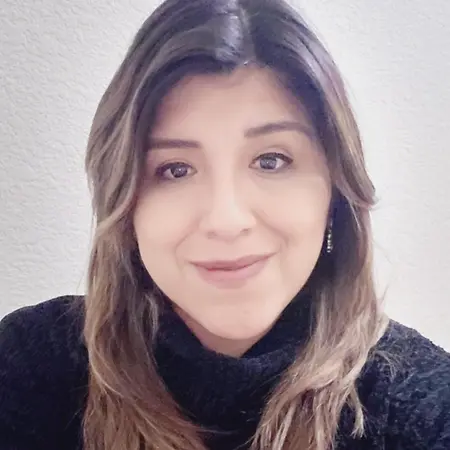
Her Story
About Millie
I have dedicated 11 years to helping refugees, migrants, and vulnerable families navigate their new lives in the United States. I worked as a Lead, case manager and social worker for the Texas Office of Refugees in Austin, where we were entrusted with managing monthly payments for families as well as connecting them with employment, health insurance, and legal support. We helped multi-national refugees which consisted of primarily Cuban families, the pride I feel when looking back at the thousands of families that we assisted during the mission can not be overstated. We organized events like Christmas toy drives, Thanksgiving day meals, and job fairs to support these families in building their new lives in Texas as well as afording them the opertunity to assimilate into the new cultural climate. My work has taken me from the border, where I worked with unaccompanied minors to New York City during the 2023 migrant crisis, where I supervised over 45 hotel shelters for the Department of Homeless Services. I received buses of families almost daily and worked around the clock, seven days a week, coordinating with housekeeping, the National Guard, and my case management teams to ensure proper accomidations were met on an individual family basis. Before this, I worked directly for BCFS Health and Human Services CEO & president/founder Kevin Dinnin as his Legal and Operations officer (LNO), overseeing shelters across Texas, prior to this I was engaged in the foster care and as teachcing aspect for Bcfs long term foster program for undocumented minors in San Antonio. I also worked with FEMA/National Emergency Management as an on-call disaster case manangement professional, when a major disaster like hurricanes, wildfires, tornandos happen, I would be activated and deployed to help survivors with coordinating recovery and obtaining essential resources for the communities that were affected on a priority needs basis. Being from Peru myself, I understand the challenges these families face when a desaster takes everything from them, I strive to bring my personal experience as a migrant, my professional training as a desaster case management professional, while aslo including my training I revieved during my 3 years of service in the U.S. Army to every mission and location that I have the privilage of assiting with. I am now taking time to volunteer with Cruz Blanca in Peru, teaching life skills to children in need.
Her Interview
Ten minutes with Millie
01What do you attribute your success to?
My grandmother is the architect of my success, stepping in early to provide a foundation of security that shaped my entire future. When my mother faced the overwhelming challenges of early parenthood, our family rallied. My grandmother stepped up to ensure I was cared for, first in my toddler years and later returning during my school years when I needed extra guidance and stability. Her constant presence until I turned 18 gave me the solid ground I needed to grow, thrive, and succeed. The dedication my grandmother showed me became the ultimate lesson in what it means to truly care for someone. That experience defined who I am today. It inspired my career and my lifelong mission to support vulnerable children and families. Because of the foundation my family built for me, I can now be the person who believes in others and gives them the chance to succeed.
02What’s the best career advice you’ve ever received?
The best career advice I ever received came from my CEO, Mr. Kevin Dinnin at BCFS Health and Human Services. He was like a father figure to me, since I never had a dad, and he taught me something critical that changed how I lead. He told me I needed to learn how to say no to people and set boundaries. He also taught me to take ownership, even when something goes wrong and it wasn't directly my fault. If it's my team, it's my responsibility, and I have to own it and say yes, it's my fault. Since then, I've become a better leader because that's what good leadership is. It doesn't matter whose fault it is, that's your team, so you take ownership. Now I take ownership, and I've learned to say no. I used to say yes to everything, even when I didn't have the time or couldn't do it, but he showed me that setting limits is essential.
03What advice would you give to young women entering your industry?
My advice is to follow your heart, because this work, helping migrants and vulnerable children, is something they truly need us for. I love my job because I help people, and maybe it's because I was one of them. I know how they feel, I know where they're coming from, and I know what it's like to be neglected by your own family. Growing up by myself wasn't easy. I went through a lot, including harassment from my uncle and neighbor when I was young, and there were times I wasn't able to eat every day because there was nobody there. When I see these minors and kids at the border, I know how they feel because I was there, I was one of them growing up. Just one smile, even if you just talk to them and listen to them and smile at them, that's all it takes. You don't know what they're going through. These kids need to know that we are here for them, whether they're migrants or foster kids. It broke my heart working in foster care in San Antonio, seeing so many kids going from home to home. So follow your heart, because they need us.
04What are the biggest challenges or opportunities in your field right now?
I think the biggest challenge in my field is when you have to let people go. I just don't have the heart for it. It takes a lot for me to be the bad guy. I hate that, I just feel bad about it. Even when you give people chances, a second chance, a third chance, and they're still not performing, like sleeping on the job during night shift or going to an empty room and sleeping the whole shift, it's still incredibly difficult for me. I give people multiple opportunities because I want to help them succeed, but sometimes you just can't help someone who isn't willing to do the work. That's the hardest part of this job for me.
05What values are most important to you in your work and personal life?
The values most important to me are honor, loyalty and respect. Those are the core values I learned from the Army, and the Army gave me so much - culture, food, a job, everything. Those military values of honor and respect have shaped how I approach both my work and my personal life, and they guide how I treat the vulnerable families and children I serve.
Join Influential Women and start making an impact. Register now.