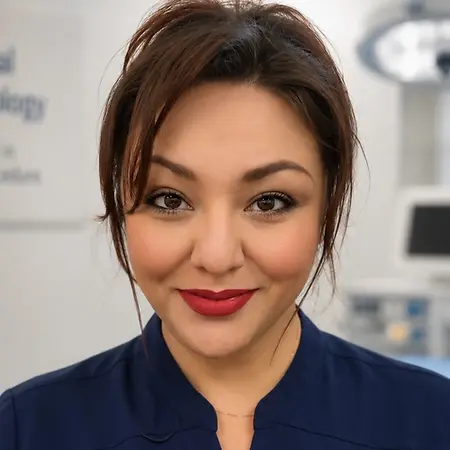
Her Story
About Monica
I began my career immediately after high school in roles centered around safety, education, and service to others. In South Florida, I worked as a lifeguard, swim instructor, and First Aid/CPR trainer before moving to the Florida Keys, where I served as a pool manager at Jacobs Aquatic Center and later as a scuba diving tour guide for Captain Slate’s Dive Center. Even early in my career, I was drawn to positions that allowed me to protect, teach, and care for people.
In 2004, I returned to school to pursue Surgical Technology, and from the moment I entered the operating room, I knew I had found my calling. Surgery combined the precision, teamwork, critical thinking, and patient advocacy that I was deeply passionate about. I later had the privilege of working at Ryder Trauma Center at Jackson Memorial Hospital in Miami, one of the nation’s leading trauma centers, where I gained invaluable experience alongside some of the most highly skilled healthcare professionals in the country. Trauma surgery challenged me to think quickly, adapt constantly, and provide the highest level of care during some of the most critical moments in a patient’s life. Every case was different, and every patient reminded me why this work matters.
Today, I carry that same passion into education. I strive to inspire students to pursue careers in healthcare and understand the importance of being part of a surgical team that directly impacts patient lives. Education has always been deeply important to me, and my family often jokes that I’m a “lifelong student” because I’m always pursuing new knowledge, techniques, and advancements in medicine and technology. I truly believe learning should never stop. My goal is to continue my academic journey by earning my Master’s in Education and, ultimately, a Doctorate in Education so I can continue empowering others through teaching, mentorship, and lifelong learning.
Her Interview
Ten minutes with Monica
01What do you attribute your success to?
I attribute my success to a combination of commitment, empathy, and a deep sense of responsibility to both my patients and my profession. Those values influence every aspect of my work—from prioritizing patient safety to striving for surgical excellence in every procedure. Determination and a dedication to lifelong learning have also played a significant role in my growth throughout my career, allowing me to continuously evolve alongside advancements in healthcare and surgery.
Precision has always been deeply important to me, not only as a surgical professional but as a person. In the operating room, even the smallest detail can directly impact a patient’s outcome, which is why I approach every task with focus, accountability, and care. That same unwavering commitment to patient safety and excellence now extends into my role as an educator, where I am passionate about preparing the next generation of surgical technologists to uphold the highest standards of integrity, skill, and compassion.
02What’s the best career advice you’ve ever received?
The best career advice I ever received came from a female surgeon during a time when I was feeling defeated and undermined by a male colleague in a trauma situation. The truth is, surgery highly male-dominated, in all aspects of the OR team, with the exception of operating room nurses. Female surgeons are very rare to come by, and I was blessed enough to have worked with a few. This particular female surgeon told me, "Keep your head up and just keep pushing on through. You can do whatever you want to do, and go as far as you want to go. The only one holding you back, is you." That advice has been etched into my spirit and helped me overcome so many challenges of working in male-dominated specialties, like Orthopedics, Sports Medicine and Trauma.
03What advice would you give to young women entering your industry?
If I was advising one of my female students, I would say to become an expert in your craft. Keep your head up high and continuous learning is extremely important. Be dedicated to elevating surgical standards and inspiring other women to lead with you. Lead with integrity, confidence, and compassion. Leave that lasting impact on a life and be proud of what you do. Hard work pays off. Medicine—especially surgery—has traditionally been a male-dominated field, and throughout my career in trauma and orthopedics, I’ve had to overcome the stigma of being a woman in those specialties. That’s why it’s incredibly meaningful to see that changing; reflecting the growing presence and strength of women in ALL surgical specialties.
04What are the biggest challenges or opportunities in your field right now?
Over the past 20 years in surgery, I’ve witnessed an incredible transformation in the operating room, especially with the rapid advancement of technology and the growing influence of AI in healthcare. When I first began my career, laparoscopic surgery—using cameras and minimally invasive techniques—was considered groundbreaking. Today, those procedures are routine, and we’re now working alongside robotic systems where surgeons operate from a console, using precise hand movements to control robotic instruments while the surgical team manages the sterile field and instrumentation directly at the bedside.
The pace of innovation continues to accelerate, and it’s exciting to see how technology is reshaping patient care and surgical outcomes. Having grown up with an analog childhood and transitioned into a digital adulthood, I often reflect on how dramatically the world has evolved within my lifetime alone. If surgery has advanced this much in the past two decades, it’s inspiring to imagine what the next generation of healthcare professionals will experience in the next twenty years.
At the same time, one of the greatest challenges I’ve faced throughout my career is working in a field that has historically been male-dominated—particularly orthopedics. Entering new surgical environments often meant having to prove myself with skills and experience over and over, simply because I was a woman. While those experiences strengthened me professionally, I hope to see continued progress toward greater representation, inclusion, and respect for allied health women in surgery, so future generations encounter fewer of those barriers.
05What values are most important to you in your work and personal life?
The values that matter most to me are integrity, compassion, honesty, and discipline. I believe discipline is especially important, yet often overlooked in today’s world, despite being the foundation of consistency, accountability, and professional excellence. These values shape the way I approach every aspect of my life and career.
In the operating room, integrity and honesty are essential to maintaining patient trust, safety, and teamwork, while compassion reminds us that every procedure represents a person and a family placing their faith in our hands. As an educator, these same principles guide how I mentor and prepare the next generation of surgical technologists—not only to become skilled professionals, but also individuals who lead with empathy, responsibility, and ethical standards. I strive to embody these values daily, both professionally and personally, because I believe character is just as important as knowledge and skill.
Join Influential Women and start making an impact. Register now.