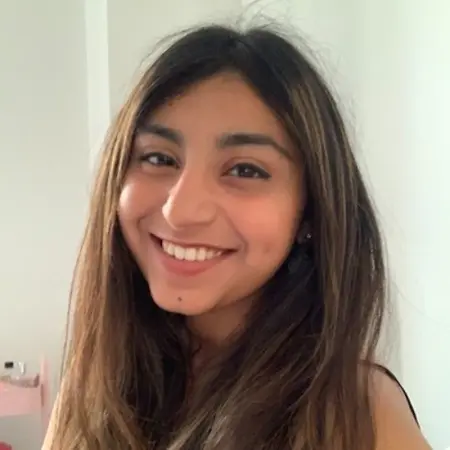
Her Story
About Mridula
Over the past six years, I have had the opportunity to work with children and adults across a wide range of clinical settings, with the last two years practicing in the United States. I began my career in India, where I worked in private practice treating individuals with communication and swallowing disorders, including autism spectrum disorder, stuttering, aphasia, dysarthria, and dysphagia. I also started my own private practice, focusing on the evaluation and early intervention of children from birth to 3 years of age. To further my clinical skills, I moved to New York City to complete my master’s degree in Communicative Sciences and Disorders at New York University. During my time at NYU, I conducted research in the Swallowing Research Laboratory, studying dysphagia after anterior cervical discectomy and fusion (ACDF) surgery. My work received Excellence in Research Award and was later published in The Laryngoscope. I completed my clinical fellowship at iBRAIN, where I worked with children with traumatic brain injuries and specialized in augmentative and alternative communication (AAC), including Tobii Dynavox eye-gaze technology. Today, I work with adults with Parkinson’s disease and other neurodegenerative conditions, providing treatment for swallowing, speech, voice, and cognitive-communication disorders. My greatest passion is dysphagia management, and I am currently working toward becoming a Board-Certified Specialist in Swallowing and Swallowing Disorders (BCS-S).
Her Interview
Ten minutes with Mridula
01What do you attribute your success to?
I attribute my success to a commitment to continuous learning and staying current with research. Speech-language pathology is an ever-evolving field, and I believe that regularly engaging with the latest evidence allows me to provide the highest quality, evidence-based care to my patients. I make it a priority to integrate current research into my clinical practice while individualizing treatment to each one’s unique needs.
02What are the biggest challenges or opportunities in your field right now?
One of the biggest challenges in speech-language pathology is ensuring equitable access to high-quality, specialized care. Many patients, particularly those with swallowing disorders, neurodegenerative diseases, or complex communication needsface barriers to receiving timely assessment and evidence-based intervention due to shortages of specialized clinicians, geographic limitations, and disparities in healthcare access.
At the same time, I believe these challenges present exciting opportunities. Advances in technology, including augmentative and alternative communication (AAC), telepractice, artificial intelligence, and instrumental swallowing assessments, are transforming how we evaluate and treat communication and swallowing disorders. There is also a growing emphasis on interdisciplinary, evidence-based care, which allows speech-language pathologists to play an increasingly important role in improving patient outcomes.
As our population ages and the prevalence of neurological disorders continues to rise, there is a greater need than ever for clinicians who specialize in dysphagia and neurorehabilitation. I see this as an opportunity to continue advancing my expertise, contribute to research, and help bridge the gap between emerging evidence and everyday clinical practice.
Join Influential Women and start making an impact. Register now.