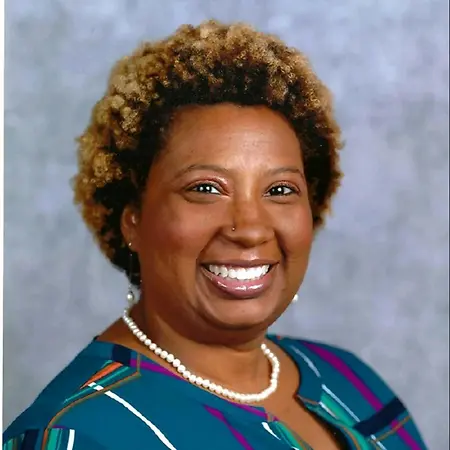
Her Story
About Natalia
Natalia Davis is a seasoned clinical research professional with deep expertise supporting and monitoring clinical trials across the United States. Currently serving as a Senior Clinical Research Associate at ICON plc, she specializes in oncology and rare-disease studies, overseeing regulatory compliance, source-data verification, informed consent review, drug accountability, and audit readiness for clinical trial sites. Known for her analytical mindset, problem-solving skills, and strong relationships with investigators and research teams, Natalia plays a vital role in ensuring studies are conducted ethically, accurately, and in compliance with ICH/GCP standards. Her work regularly takes her to clinical sites throughout the East Coast and Midwest, where she combines technical expertise with a collaborative, people-centered approach.
Natalia's path into clinical research began after earning both her Bachelor's and Master's degrees in Industrial Engineering from the University of Wisconsin–Madison. Over the years, she progressed from research coordination into increasingly advanced CRA roles, including positions with Syneos Health before joining ICON plc. She earned her Certified Clinical Research Associate (CCRA) credential through the Association of Clinical Research Professionals in 2019 and continues to maintain the certification through ongoing education and professional development. Her attention to detail, commitment to quality, and deep understanding of clinical operations have made her a trusted partner within the research community.
In addition to her work in clinical research, Natalia is also the founder of Frazier Ashlee Capital LLC, a multifamily real estate syndication company with 233 units under management in Las Vegas. She specializes in acquiring value-add apartment complexes of up to 150 units, actively sourcing deals in Texas, the Carolinas, Florida, and additional growth markets across the central and southeastern United States. Her unique advantage lies in applying her analytical background from engineering and clinical research to the underwriting process, conducting rigorous market analysis and financial modeling that helps identify profitable opportunities while minimizing risk for her investment partners.
Beyond her professional accomplishments, she values kindness, loyalty, giving back to others, and maintaining healthy personal boundaries and mental well-being. One of the most transformative experiences of her life came in 2014, when she spent a year traveling to 11 countries through the World Race missions program, serving communities around the world and gaining a deeper understanding of service, resilience, and human connection. Whether working in research, real estate, or community outreach, Natalia brings compassion, integrity, and curiosity into everything she does.
Her Interview
Ten minutes with Natalia
01What do you attribute your success to?
Something I've learned, especially this past year while working on challenging projects, is the importance of maintaining boundaries and mental health. Without those, you're essentially a puddle on the floor and can't be effective for anyone.
I've learned it's okay to say no when necessary, and to always lead with kindness because you never know what kind of day someone else is having.
Relationships are honestly a huge part of my success. Even though much of our work is done independently, you still need to communicate effectively with your clinical sites. You're the liaison between the site and the project team, so you have to clearly explain what you're seeing in the field and help doctors understand how they might do things differently or better.
Building strong relationships with your study coordinators is especially critical - these are the people you'll work with for the entire life of the study. When you have that good relationship established, they'll go the extra mile for those last-minute requests that nobody likes asking for, but that can make or break a project timeline.
02What advice would you give to young women entering your industry?
For young women trying to break into clinical research, I'd recommend two main entry paths. First, look into CRA training programs - several pharmaceutical and CRO companies offer structured programs that will train you to become a Clinical Research Associate from the ground up. These programs are invaluable because they provide both the technical knowledge and industry connections you need.
The second route is starting as a clinical research coordinator at a site, learning the research process from that perspective, then transitioning into a CRA role. Most successful CRAs actually started this way because you gain hands-on experience with how studies really work day-to-day.
Regardless of which path you choose, networking is absolutely critical. Reach out to people on LinkedIn, ask genuine questions about what they do, and show real interest in the field. These connections often lead to opportunities when you're ready to make your move.
And here's something I wish someone had told me earlier: invest in building strong relationships with everyone you work with, especially study coordinators. When you treat people well and build genuine professional relationships, they'll become your strongest advocates and help ensure your projects run smoothly.
03What are the biggest challenges or opportunities in your field right now?
The clinical research industry is experiencing some fascinating shifts right now. On the challenge side, we're seeing increased regulatory complexity, especially with global studies where you're navigating different requirements across multiple countries. There's also been pressure to accelerate timelines while maintaining quality standards - something we really felt during the pandemic and continues today.
But the opportunities are exciting. Technology is transforming how we conduct trials - we're seeing more remote monitoring capabilities, electronic source documents, and digital patient engagement tools. The rise of decentralized and hybrid trials is opening up patient participation to people who previously couldn't access studies due to geographic barriers.
While remote monitoring offers efficiency benefits, I believe there's still tremendous value in on-site visits. You get insights into site culture, patient interactions, and operational details that you simply can't capture virtually - things like how staff actually interact with participants and facility conditions that impact study quality.
The biggest opportunity I see is for people who can adapt to these technological changes while maintaining the relationship-building skills that are still essential to this work. Those who can bridge the technical and human sides of clinical research will be incredibly valuable.
04What values are most important to you in your work and personal life?
Kindness is absolutely one of my most important values, both professionally and personally. I believe in leading with kindness because you never know what kind of day someone else is having or what they might be going through. It costs nothing but can make all the difference in someone's experience.
Giving back is also central to who I am - whether that's donating time, helping a neighbor, or contributing to my community in whatever way I can. I think we all have a responsibility to lift each other up when we're able.
Loyalty is something I value deeply, though it sometimes feels like it's become less common. To me, loyalty means showing up for people consistently, being trustworthy, and treating others with genuine respect and care. I believe in investing in relationships and being someone others can count on.
These values really shape how I approach both my work relationships and personal connections. I think when you treat people well and show up authentically, it creates an environment where everyone can do their best work and feel valued.
Join Influential Women and start making an impact. Register now.