Her Story
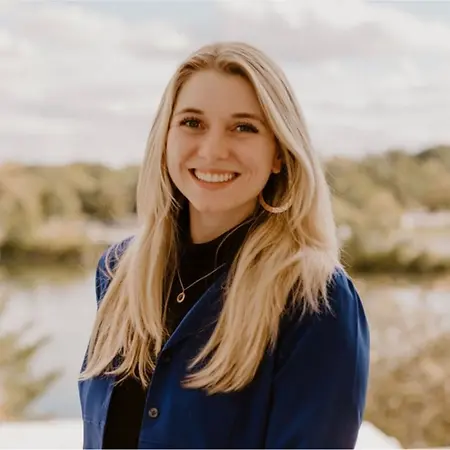
About Olivia
Olivia Geary is a Licensed Mental Health Counselor based in Buffalo, New York, whose journey into mental health has been shaped by resilience, curiosity, and a deep commitment to helping others navigate life’s most difficult moments. Over nearly a decade in the field, Olivia has gained experience across a variety of settings, beginning her clinical path at BryLin Behavioral Health System, a psychiatric hospital where she developed a strong appreciation for the complexity of mental health care. Her early experiences in psychiatric treatment, education, and community-based services helped her build a versatile foundation as a clinician and advocate.
Throughout her career, Olivia has worked with diverse populations, including individuals navigating trauma, grief, anxiety, PTSD, and complex life transitions. Her time at Endeavor, where she worked with registered sex offenders, challenged her perspective and strengthened her voice as a counselor, teaching her the importance of advocacy, compassion, and understanding the full human experience. She later found a professional home at Kind Mental Health Counselors, a private practice where she has been able to embrace authenticity in her clinical work while continuing to grow as a therapist. Olivia’s passion for grief counseling is deeply personal, inspired by her grandmother’s work running a grief center in Lackawanna, New York, where she supported young people and helped create pathways away from incarceration and toward healing.
Beyond her professional work, Olivia brings her own lived experiences into her practice, including her lifelong journey with Type 1 diabetes, which has given her a unique understanding of chronic illness, resilience, and the emotional weight carried by many of her clients. She is passionate about expanding access to meaningful mental health care and hopes to one day open her own private practice, with the larger vision of creating a mental health hospital in New York State that integrates alternative approaches alongside traditional treatment methods. In addition to counseling, Olivia balances multiple roles, including her work in catering, a passion she developed during graduate school. Through every chapter of her journey, she remains dedicated to creating spaces where people feel seen, understood, and supported.
Her Interview
Ten minutes with Olivia
01What do you attribute your success to?
I attribute my success to an unwavering commitment to helping others navigate life’s most difficult transitions, a deep-rooted passion for understanding the human experience, and a personal history of resilience. My foundational work ethic was forged early on while balancing graduate studies with intense clinical experience in psychiatric hospital settings, which taught me the nuances of complex diagnostic and treatment processes. Furthermore, my career is profoundly inspired by the legacy of my grandmother, who ran a grief center in the 1970s, driving my passion to specialize in grief counseling, trauma, and anxiety. Ultimately, my ability to connect with clients stems from my own lived experiences—both in navigating ADHD symptoms and managing Type 1 diabetes since childhood—which allows me to bridge physical and mental well-being while approaching every individual with genuine empathy, authenticity, and insight.
02What’s the best career advice you’ve ever received?
The best career advice I have ever integrated into my life has come from a diverse circle of mentors who taught me to fiercely prioritize authenticity, resilience, and creative expression over conventional expectations. My former stepmother, a freelance writer, showed me how deeply creativity is tied to emotional processing and grief work, while my father challenged me to critically weigh stability against professional fulfillment, ultimately helping me clarify my values and confidently choose an authentic private practice path. Additionally, my high school yearbook teacher and cheerleading coaches instilled in me the importance of giving a voice to the overlooked and stepping boldly into leadership roles. Finally, my grandmother’s example taught me that a fulfilling life requires pursuing whatever path feels true to who you are, a guiding philosophy that continues to shape my therapeutic identity.
03What advice would you give to young women entering your industry?
My primary advice to young women entering this industry is to immerse yourself in the most challenging and intense professional environments as early and as young as you can. It was through my demanding early roles in psychiatric and community settings—even when dealing with high-acuity populations like sex offenders—that I truly learned to find my voice and build the thick skin necessary for this work. You must be prepared to advocate fiercely for your clients and patients, even when it leads to professional tension or moments where you feel unheard. Embracing these physically and mentally taxing roles early on builds the indispensable clinical foundation and personal resilience required to successfully navigate your career and practice on your own terms later in life.
04What are the biggest challenges or opportunities in your field right now?
The biggest challenges in my field involve navigating high-stress, high-acuity psychiatric environments without losing your professional identity, overcoming career uncertainty during transitions, and learning how to advocate for client-centered care in rigid institutional systems where your voice isn't always heard. Moving into private practice also introduces the hurdle of adjusting to autonomy and redefining yourself outside of large systems. However, these challenges double as incredible opportunities to build deep clinical resilience, cultivate a highly individualized therapeutic philosophy, and establish spaces that prioritize emotional safety. Furthermore, managing my own lifelong journey with Type 1 diabetes has transformed a personal health challenge into a profound opportunity to bridge physical and mental health care, allowing me to bring my full, authentic self into my clinical work to better support my clients.
05What values are most important to you in your work and personal life?
The values that are most critical to both my personal life and professional practice are absolute honesty with myself, transparent communication, and a willingness to be vulnerable. I believe that effective counseling requires more than clinical expertise; it demands a genuine human connection built on mutual trust. By appropriately opening up to my clients about my own human struggles and imperfections, I create an authentic space that encourages them to be equally open and honest in return. This commitment to vulnerability and real communication forms the bedrock of a true therapeutic connection, allowing me to meet individuals exactly where they are in their healing journeys.
Join Influential Women and start making an impact. Register now.