Her Story
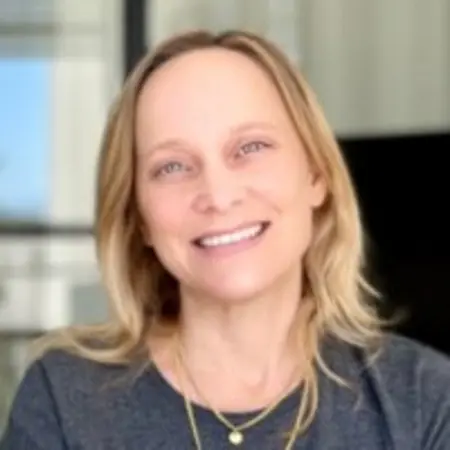
About Osnat
I began my professional journey as a computer engineer, earning my BSc in 2001 and spending 20 years leading in tech, including serving as an engineering director at EA and as a CEO of a startup in Israel. Throughout those years, I often felt isolated in leadership roles, especially early in my career when I didn't have the support of a coach or consultant. That experience shaped my decision to pursue a second career. I left my work to study coaching at the Adler Institute in Israel, becoming a certified coach in 2023. Now I run Ripple, my independent coaching business, where I work with leaders and managers in tech around the world. What I love about coaching is that it's very subjective - even when situations sound similar, each person's journey is always different and interesting, so I'm still learning every day. I create a space for my clients to think, define where they want to go and who they want to be, serving as a sounding board for people facing the challenges I once faced. My typical day starts early to accommodate clients in different time zones, with one-on-one coaching sessions in the morning and strategic business work in the afternoon - everything from budgeting and planning to marketing and learning. I relocated to New Jersey three months ago with my family, and I'm excited to build connections and find new ways to contribute to my community here.
Her Interview
Ten minutes with Osnat
01What do you attribute your success to?
I really care a lot and work really hard. I'm very driven to solve problems and assist people. I'm willing to be flexible and think about new approaches to whatever is required, so being relentless is a big part of it. I don't give up easily, and I'm always looking for ways to help and make a difference.
02What’s the best career advice you’ve ever received?
I had a mentor when I worked at EA, where I was an engineering director at the time. I talked to him about some challenges I was facing, and he told me something that really stuck with me: 'It's all about relationships.' That was a really important message for me, coming from technology and thinking it's about knowing the right solution or having the right answer. But it's not - it's all about building relationships and maintaining them, accepting that people are different from you and their perspective matters, and really listening. That advice changed how I approach my work.
03What advice would you give to young women entering your industry?
This is actually why I'm doing what I'm doing - it's my mission to help young women enter the field of engineering and STEM, because I think it's important that we have a place at the table. My advice would be to be yourself. I think many women try to fit in and try to be what someone else expects them to be, but if you know who you are and what you bring to the table, that should be enough. Strengthen the things you're already good at - don't try to be someone else. Many times women are in a position where they're trying to satisfy someone else's wishes or requirements or ideas, but being able to sit in the driver's seat and say 'this is where I want to be, this is my contribution, and these are my values' is very important.
04What are the biggest challenges or opportunities in your field right now?
One challenge in my field is that there are so many wonderful coaches and many different approaches and ways of doing things. It's less structured compared to engineering, where there are methods and tools and more structure, and more ways to evaluate progress. In coaching, it's softer - it's more about chemistry and trust and building relationships. It's not as clear as computer engineering, where it's either 0 or 1, either working or it's not. As a coach, I have to learn to accept imperfections and understand that I'm learning and on my way. Sometimes things work and sometimes they don't. That's a challenge, especially when you're coming from the outside and not part of the company.
05What values are most important to you in your work and personal life?
Values are very important to me because if you have clarity about your values, it's like a compass that can guide your everyday decisions and how you act. It shapes what you do and how you do it. I think knowing your values, defining them, and having a very clear vision is like being in the driver's seat in your life. My values are very simple and basic: equality, respect, collaboration, and innovation. These represent the society I want us to all live in. I also believe strongly in contribution - understanding what I'm here for and what I want to give to the world. That's the essence for me. Many times women are in a position where they're trying to satisfy someone else's wishes, so being able to sit in the driver's seat and say 'this is where I want to be, this is my contribution, and these are my values' is very important.
Join Influential Women and start making an impact. Register now.