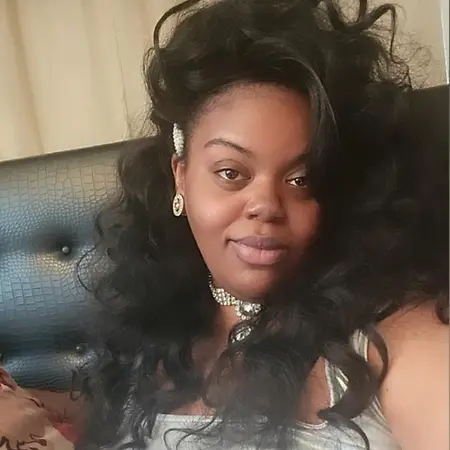
Her Story
About Palas
My professional journey in behavioral health and social services spans over 10 years, with a transformative turning point when I began working in addictions. This work helped me discover my true calling in trauma education and therapy. I am deeply passionate about trauma work and have expanded my reach through multiple disciplines. As a certified sexologist through the American Board of Sexology, I integrate somatic grounding techniques to help clients understand how the body keeps the score and where trauma is stored, enabling them to release trauma from their bodies. I hold my licensure as a licensed chemical dependency counselor 3, which represents not only a professional achievement but also a personal reclamation of power over something that impacted my childhood through my father's addiction. I am currently pursuing my Master's in Social Work at Walden University, where I am completing my first year internship. My approach is very integral and multidimensional, incorporating practices beyond traditional clinical standards to address the complex nature of human trauma and dysfunction. I serve as both an educator and a survivor, teaching others that there is life beyond trauma, life beyond addiction, and life beyond dysfunction, and showing them the path to get there.
Her Interview
Ten minutes with Palas
01What do you attribute your success to?
I attribute my success to growing up in a household that was dealing with trauma and addiction, but also had faith and a church-going foundation that gave us pockets of heaven and peace. Watching my mother, who was very brilliant but also very tortured, putting herself on the back burner while raising our family, motivated me not to settle in life and to be the difference. I wanted more, understanding that if I gained more for myself, I would be able to help my family become more and rise from the bondage and karmic energies in our lineage. It was about transforming my mind to understand that I was more than what was challenging me, more than the dysfunction I inherited from my family. I had to create new cycles in my life, standing on a new foundation full of new standards that didn't allow for lies, excuses, or settling for less than my best. Once I started that cycle of changing, it became like a positive addiction to seeing what else I could become. I've been on a solid move for probably close to 10 to 15 years now, doing not necessarily what felt good, but what was necessary for me to become the woman I am today and achieve all the different achievements I've been able to garner.
02What’s the best career advice you’ve ever received?
The best career advice I ever received came from my supervisor when I was entering into addictions work. He was the only African-American supervisor I'd ever had in my life, and he was very intelligent, impactful, and a great leader who taught me how to be a greater leader. He told me, 'You are your biggest client.' He explained that being my biggest client was a great opportunity to utilize what I know works for me, but it was also a great opportunity to be experimental. Instead of just trying out different techniques on my clients, I could try those things out on myself to help my own personal development and liberation from the dysfunctions and traumas that had been holding me back in my life. If I was able to gain the keys that would help me gain freedom from these things that were once holding me back, these are the things I could employ in my work with clients to help them also get free. That piece of advice really helped to further mold me and grow me as a clinician and as the growing traumatologist that I am in the work that I do with my clients.
03What are the biggest challenges or opportunities in your field right now?
The opportunities in my field are vast, but I have to carefully investigate not only the opportunity itself but where it could take me and whether it aligns with who I'm trying to become professionally and personally. Sometimes there are opportunities where a door hasn't been created yet, which is the perfect opportunity for me to create that door. As far as challenges, I think the biggest one is working with the different complexities of human life while having enough room to expand with people in the way that makes sense. The clinical standards don't really allow you to expand into things like a real deep dive into spirituality and who we are metaphysically. We're not one-dimensional beings, we are multidimensional, and we need to look into other disciplines and practices beyond the clinical scope to really get down to the core root of what's causing our dysfunctions and what makes us susceptible to things like addiction. My approach is very integral, but it's not always popular when dealing with someone who is very anal about being clinical and the billing codes we have to use. I feel it's very one-dimensional. My wish for the future is that there would be more space to grow and incorporate other practices and disciplines into the work that we do, and that we can bill for those disciplines. It shouldn't be according to a dollar sign to dictate the level of healing and the different sources available to help people heal, especially for individuals from low socio-economic backgrounds who may not have the money to pay for certain practices or services.
Join Influential Women and start making an impact. Register now.