Influential Woman · Coaching Professional Development Training
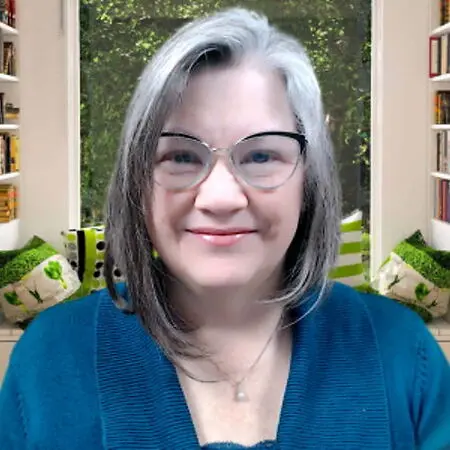
Patricia Kasper, MA, MTh
Owner/ Trainer/ Coach, Kasper's FASD Life Coaching and Training LLC
Williston, ND 58801
A reviewer suggested I streamline my metaphors. Challenge accepted I was surprised how versatile one metaphor was for teaching so many concepts. My book is now better!
Patricia Kasper, MA, MTh · In Her Own Words
Her Story
About Patricia
Patricia Kasper is a trauma-informed life coach, trainer, and author dedicated to improving outcomes for neurodivergent individuals and the professionals who serve them. As the founder of Kasper’s FASD Life Coaching and Training LLC, she brings over 30 years of experience in mental health, child welfare, and addictions to her work. Patricia is a Certified Facilitator of the FASCETS Neurobehavioral Model and a TBRI® Practitioner, specializing in helping organizations reduce staff turnover and improve client outcomes by fostering a deeper understanding of neurodiversity and brain-based behavior. Through her training programs, Patricia equips professionals in mental health, child welfare, and addiction services with the tools and framework of the Neurobehavioral Model to better support neurodivergent clients. She also offers specialized coaching programs, including the 90-Day Neurodiversity Mapping Program for adults and the 9-Month Understanding & Setting Up Your Child for Success program for parents of children affected by prenatal exposure to alcohol, drugs, or trauma. Her approach bridges neuroscience, compassion, and practical strategies—helping staff, clients, and families experience greater trust, stability, and positive change. In addition to her coaching and training work, Patricia is the host of the “Living with FASD” podcast and the author of Sip by Sip: Candid Conversations with Adults Living with FASD. A passionate advocate for those whose disabilities are often invisible, she continues to raise awareness about FASD and the importance of trauma-informed, neurobehaviorally aligned care. Patricia holds a Master’s in Professional Psychology from Geneva College and a Bachelor’s in Social Work from the University of Pittsburgh, and she remains committed to educating, empowering, and inspiring change within systems of care and the communities they serve.
Her Interview
Ten minutes with Patricia
01What do you attribute your success to?
I attribute my success to my passion for helping others, who like me, have faced invisible disabilities. In the past, this has led to volunteer advocacy in the service dog world, especially for diabetic alert dogs, and Lewy Body Dementia, with which my mother suffers. With regard to Fetal Alcohol Spectrum Disorders, my initial motivation for learning was for the purpose of better serving the youth and families on my caseload. Learning that 99.99% of affected individuals do not receive proper diagnoses, and applying that statistic to the adult population, who grew up believing that their quirks and struggles were brought upon themselves rather than the result of prenatal exposures changed my world and drove me to seek and serve those who deserve grace. My company has two tracts: a 90-Day Neurodiversity Mapping program designed to empower neurodivergent adults, and a 9-month Understanding & Setting Up Your Child for Success program created for parents of neurodivergent children affected by prenatal exposure to alcohol, drugs, or trauma. These programs reflect my commitment to supporting individuals and families in understanding neurodiversity and creating pathways toward growth and resilience.
02What’s the best career advice you’ve ever received?
Know the difference between a vocation and an avocation; if you enjoy what you do, burnout is far less likely. Understand your areas of strength and areas of challenge. Choose a career that builds upon your strength and avoid positions that are an obvious mismatch.
03What advice would you give to young women entering your industry?
Have a good understanding of your personal history, and account for any unfinished business that could impact how you interact with clients (ie, transference).
Be insatiably curious about those whom you serve! Challenge your assumptions - not all paradigms are true. Afterall, people used to believe the world was flat.
Never stop learning, especially with regard to neuroscience!
04What are the biggest challenges or opportunities in your field right now?
Not all behavior is chosen. Often it is reflex driven. Mental health professionals, social workers and educators are well-intended... but those who are neurodivergent cannot be supported from a behavioral lens without invalidating the essence of who they are.
05What values are most important to you in your work and personal life?
The most important values to me in both my work and personal life are advocacy, perseverance, and authenticity. Through my involvement with the FASD community and my FASD authors group, I strive to elevate the voices of those often overlooked or misunderstood. My podcast and books—especially Sip by Sip: Candid Conversations with Adults Living with FASD—reflect my passion for sharing real stories and creating understanding. I’ve always been driven to stand up for the underdog, to support those facing disadvantages, and to never give up on making a meaningful difference.
Join Influential Women and start making an impact. Register now.