Influential Woman · Nonprofit / Social Impact
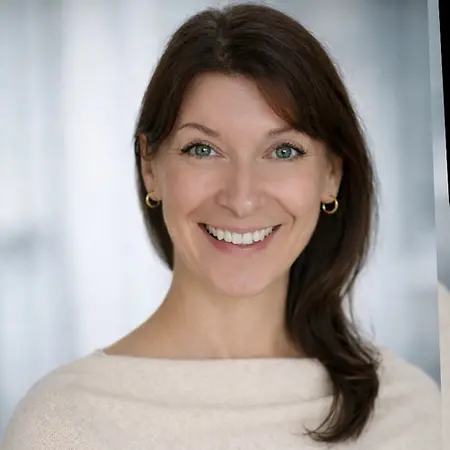
Paula Fynboh
Chief Executive Officer, Aspire Afterschool Learning
Washington Dc, DC 20003
Her Story
About Paula
Paula Fynboh is a mission-driven executive and social impact leader with more than 20 years of experience in nonprofit leadership, consulting, and systems change. She currently serves as Chief Executive Officer of Aspire Afterschool Learning, where she leads strategy, culture, and organizational growth with a focus on aligning strong operational execution with deeply held values. Her leadership philosophy centers on building “inspired cultures” where staff thrive, communities trust the organization, and stakeholders remain meaningfully engaged. She is also the founder of The Followership Revolution, a thought leadership platform exploring how leaders earn trust not through authority, but through authenticity, integrity, and shared belief. Across her career, she has led large-scale transformation in education and youth development. At Aspire Afterschool Learning, she doubled organizational reach and fundraising within three years, expanded access to STEM learning opportunities, and retained the vast majority of staff during the challenges of the Great Resignation by prioritizing equity, well-being, and belonging. Previously, at Sandy Hook Promise, she scaled evidence-based violence prevention programs to more than 12 million youth across all 50 U.S. states and played a key role in building national youth-led initiatives and advancing bipartisan policy efforts, including federal legislation supporting school safety and prevention programming. Earlier in her career, she worked across global and domestic contexts as a consultant and systems-change strategist, designing leadership and advocacy initiatives in multiple countries and supporting organizations in civic engagement, equity, and youth empowerment. She has contributed to cross-sector initiatives in health equity and community development, emphasizing shared governance and community voice in institutional decision-making. She holds academic and professional training from institutions including The Fletcher School at Tufts University. Georgetown University, and Harvard Kennedy School. Her work has earned recognition for ethical leadership and women’s impact, reflecting her ongoing commitment to building systems that are both effective and humane.
Her Interview
Ten minutes with Paula
01What do you attribute your success to?
I attribute my success to my ability to listen - not just to what is said, but often to what is not said. I also have one foot in possibility but one foot in reality. I'm not just a dreamer who thinks into the future, I also understand what it takes to get there. And finally, people leadership - not just influencing people, but really inspiring them in a way that they want to opt in.
02What’s the best career advice you’ve ever received?
Always hire people who are smarter than you. And also that the process is the product. You need to think not just about what the end product looks like, but the path and the process you take to get there is oftentimes more important. Are you doing it in a way that's leading with your values? Are you doing it in a way that is developing other leaders and bringing people along? Will something live outside of the product or the tangible impact that you made?
03What advice would you give to young women entering your industry?
I think there's something magical that happens when women support other women, and when we as women believe that there can be more than one of us at the table and act accordingly instead of competing with each other. I also think we need to tap into a very feminine style of leadership that a lot of us have been taught not to embrace - we've been told not to be vulnerable, not to be 'soft,' but I think those are actually really powerful skills and a form of emotional intelligence that invites more people to the table. When we lead with everything that makes us special as women versus the way we've been conditioned to try to approach things as men, it creates different work cultures that really inspire people to lean in, to want to work together, and to become leaders themselves.
04What are the biggest challenges or opportunities in your field right now?
One of the biggest challenges is funding. About a year ago, my organization lost over a third of our funding because of federal funding cuts overnight, and we had to re-stabilize the organization while doing so in a way that didn't lead with fear and crisis, but rather inspired people to invest in us in the long term. Another challenge is cutting through all the noise and distractions in the world to inspire people to think and work with imagination, outside of the status quo, because the status quo doesn't work anymore (and it hasn't for a long time... maybe never). I work to find strategic ways that can counter the helplessness and hopelessness, inspiring people to imagine and work differently, to become leaders themselves, to donate, to volunteer, to get involved - to do more than just complain. In terms of opportunities, I think the world is changing really quickly, and while there's a lot of fear of the unknown and people defaulting to the status quo and business as usual, I believe there's a lot of opportunity that comes from thinking differently and acting differently. I'm a futuristic thinker, so I'm always thinking about not just how to solve something now, but how something can look different and build capacity and new leadership along the way. When we tap into our creativity and hope, there's a lot that we can reimagine in ways that are more just, sustainable, and equitable.
05What values are most important to you in your work and personal life?
I'm really into values and integrating values with how we lead, make decisions, and take action. I lead a workshop on this topic through Creative Mornings on their Virtual FieldTrips platform and this workshop received some of the highest rankings in their history. For me, my personal values include possibility, imagination, and hope; abundance and a belief in enough; and social and racial justice.
Join Influential Women and start making an impact. Register now.