Her Story
About Polina
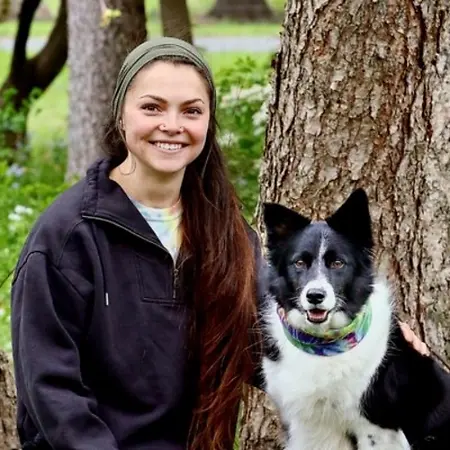
Polina Semenoff is a Multi-Credentialed Dog Trainer and Behavior Consultant and the founder of Mind & Body – Canine Companion Coaching. She holds a Bachelor of Science in Animal Science and Biology and has built her practice through a combination of formal education, hands-on experience, and ongoing professional development. Committed to maintaining a high standard of expertise, she actively pursues continuing education, professional courses, and certifications to ensure her work reflects current, evidence-based understanding of canine behavior, learning theory, and animal welfare. Her path into behavior consulting began with her own dog, when she recognized that something was not right with the traditional “quick-fix” approaches that did not prioritize understanding underlying causes. She chose to deepen her knowledge and focus on what drives behavior at its core. That experience became the foundation of her professional philosophy: that change comes from understanding, not suppression, and that dogs deserve thoughtful, informed support rather than one-size-fits-all methods. Polina’s work is centered on science-based behavior, learning theory, and coaching humans to better understand and live with their dogs. She emphasizes that behavior is a reflection of complex contributing factors, including physical health, emotional state, environment, and learning history. Her approach prioritizes compassion, education, and root-cause analysis, helping caregivers move beyond surface-level symptoms to create positive changes in their lives. She defines success as improved understanding between dogs and their people, where informed guidance, empathy, and practical strategies come together to build safer and more cooperative relationships.
Her Interview
Ten minutes with Polina
01What do you attribute your success to?
I think my success comes from never being satisfied with treating the symptom. The first question is never, "How do I stop this behavior?" It's, "Why is this happening?" That mindset shapes the way I approach every case. Behavior doesn't exist independently of everything else that's happening in a dog's life, and I don't believe our approach to treatment should either.
I attribute a lot of my success to being willing to slow down and gather information before jumping to conclusions. I don't feel pressure to have an immediate answer because I know that behavior requires time, observation, and collaboration. I'd rather spend more time understanding the dog than rush into a training plan that doesn't address the underlying problem and the caregiver's abilities weren't considered.
I also believe that my role extends far beyond training dogs. A huge part of what I do is educating and supporting the people who live with them. My goal isn't just to tell pet parents what to do. I want them to understand why we're doing it so they can make informed decisions long after our work together is finished.
Another thing I value is collaboration. I don't see behavior as something that exists separately from physical health, nutrition, medication, or the dog's environment. I regularly communicate with veterinarians and other professionals because I believe the best outcomes happen when everyone is looking at the same dog from different perspectives. No one person has all the answers, and I'm comfortable recognizing when another professional can contribute something valuable.
The best solution is usually not asking a dog to do more. It's reducing stress, changing the environment, addressing pain, or adjusting our expectations. I think we've become so accustomed to viewing behavior through a training lens that we sometimes overlook the factors that are making learning difficult in the first place.
I think curiosity has been one of the biggest contributors to my success. I've never stopped learning because every new area of education helps me better understand behavior. Whether it's canine structure and fitness, behavior science, learning theory, family dynamics, or health, each piece adds another layer to how I evaluate a case.
At the end of the day, I don't believe my success comes from having a particular technique or training method. I think it comes from looking at the whole dog, recognizing that behavior is influenced by countless interacting factors, and helping guardians understand that we're not just changing behavior, we're improving the dog's overall quality of life.
02What’s the best career advice you’ve ever received?
The best career advice I've followed wasn't a single piece of advice from one person. It came from watching experienced professionals who weren't afraid to say, "I don't know." They taught me that asking questions, collaborating with others, and continuing to learn is far more valuable than pretending to have all the answers. That perspective has allowed me to build an approach that prioritizes curiosity, critical thinking, and putting the client's best interests first.
03What advice would you give to young women entering your industry?
My advice to young women entering this industry is to prioritize education, curiosity, and self-trust. Continue learning consistently, and if something does not feel right, do not ignore that instinct, take the time to ask questions and dig deeper until you fully understand the situation. This field requires not only technical knowledge but also strong interpersonal skills, so developing compassion and the ability to effectively troubleshoot with people is essential. Confidence comes from preparation and ongoing education, so invest in building your knowledge base and trust that expertise will eventually follow.
04What are the biggest challenges or opportunities in your field right now?
One of the biggest challenges in the dog training and behavior field is that it remains largely unregulated, with no formal licensing standards to consistently distinguish evidence-based professionals from those using outdated or non-scientific methods. This lack of regulation can create confusion for caregivers and may lead to ineffective or inappropriate approaches being applied behavioral concerns. At the same time, this gap presents a significant opportunity for growth within the industry, as there is an increasing demand for compassionate, science-based practices grounded in learning theory and behavior science. Professionals who prioritize continuing education, ethical practice, and evidence-based methods are well positioned to elevate industry standards and improve outcomes for both dogs and their caregivers.
05What values are most important to you in your work and personal life?
The values that guide me most, both professionally and personally, are curiosity, integrity, compassion, and continuous growth. I believe in approaching people and animals without assumptions, asking questions before drawing conclusions, and being willing to change my perspective when new information becomes available.
Integrity is important to me because I want my work to be honest and evidence-based. If I don't know something, I'm comfortable digging deeper and asking more questions, and I'm committed to collaborating with others when it leads to better outcomes. Simple answers don't usually exist here.
Compassion is equally important. Whether I'm working with dogs or the people who care for them, I recognize that everyone is doing the best they can with the information and resources they have. I strive to create an environment where people feel supported rather than judged.
Finally, I value lifelong learning. I believe there is always more to understand, and I see every experience as an opportunity to grow. That mindset has shaped not only my career but also the way I approach challenges in my personal life.
Join Influential Women and start making an impact. Register now.