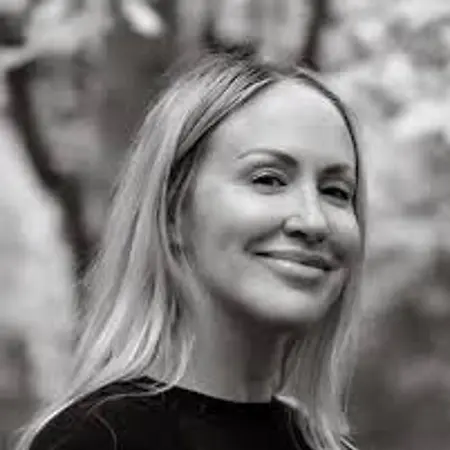
Her Story
About Rachael
Rachael Collins-Hansen is a licensed clinical mental health counselor, entrepreneur, and workplace training professional with more than 14 years of clinical experience. Her background includes working with autism spectrum disorder, ADHD, mood disorders, and addiction. She is the owner of Mind and Matter Therapy, a group practice providing in-person and telehealth services, and serves as a clinical mental health counselor and co-owner of Headspace Counseling. Through her clinical work, she has developed extensive experience supporting individuals and families while building a strong understanding of neurodiversity and mental health. In 2025, Rachael expanded her work into corporate training as the founder of Support Box, a neurodiversity-informed workplace training and certification initiative. Through Support Box, she helps organizations develop workplaces where autistic and ADHD employees can thrive by providing practical training for leaders and managers. Her work focuses on improving communication, strengthening workplace inclusion, supporting employee retention, and helping organizations recognize and develop the strengths of neurodiverse employees. Her approach emphasizes that creating a neurodiversity-informed workplace is not about lowering expectations, but about creating the conditions that allow employees to meet them and contribute their full potential. Beyond her clinical and professional work, Rachael has demonstrated a longstanding commitment to community service and human connection. As the founder and photographer of the Granny Star Foundation, she provided free professional photography to residents of nursing homes, assisted living facilities, senior centers, and retirement communities, with the organization serving more than 100 facilities in Utah. Her professional philosophy is grounded in compassion, persistence, personal growth, and a genuine desire to help people succeed and feel better. She brings these values into both her clinical counseling and workplace training work, advocating for environments in which people are understood, supported, and given meaningful opportunities to thrive.
Her Interview
Ten minutes with Rachael
01What do you attribute your success to?
I attribute my success to deeply caring about people and genuinely wanting to see them succeed, improve, and feel better. I believe that caring deeply about the people I serve has been an important part of my professional journey. I also recognize the importance of taking care of myself so that I can continue showing up as the best version of myself. I believe in practicing what I encourage others to do and prioritizing personal well-being as an essential part of being effective in this work.
02What advice would you give to young women entering your industry?
My advice is to practice self-care. I also encourage others to ask questions and seek information from people who have the knowledge and experience to provide good guidance. Getting advice from people who know what they are doing can help you make better decisions and navigate a career more effectively. Most importantly, I believe in staying persistent and not stopping when pursuing something you want to accomplish. When you stop, progress stops as well.
03What are the biggest challenges or opportunities in your field right now?
For Support Box, I feel the biggest challenge is helping companies understand that neuro-differences exist around them - that change is needed to help employees really thrive. In turn, creating workplaces that better support neurodivergent employees can improve morale, productivity, communication, employee retention, and overall workflow. Organizations simply haven't been given this information yet. Through my clinical work, I have seen how desperately it is needed
04What values are most important to you in your work and personal life?
The values that matter most to me are deeply caring about people, wanting to see people succeed, and wanting to see people improve and feel better. I also believe strongly in taking care of ourselves so that we can become the best versions of ourselves and feel better in our personal and professional lives. These values influence both how I work with others and how I approach my own well-being.
Join Influential Women and start making an impact. Register now.