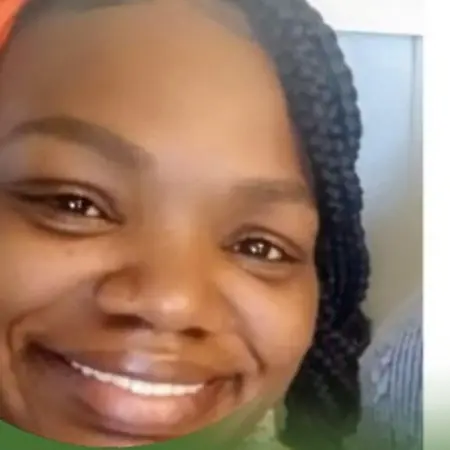
Her Story
About Rachel
My typical day starts with rechecking my calendar to see what programs or meetings I have scheduled. A lot of what I do is make connections and follow leads on organizations that are interested in the type of programming I offer. A typical day would be following up on emails and then preparing for any programs I have during the week, making sure I have everything I need for those programs and following up on leads. When I have a program, I travel to the site with all my materials supplied. I usually go around and invite youth to join the program if the organization hasn't done a pre-registration, because every organization is different in how they handle having youth be part of the program. My classes run for an hour and are very hands-on and engaging because I like using games that teach STEAM principles. We always start off with a demo that introduces what we're going to be learning about, and then I introduce them to the stories of contributors who have been in the STEAM fields. They learn who they were, what they did, and how they did it, and then they do a project where I guide them in doing a project based on that person's contribution. I started working with middle and high school initially, but I've started working with elementary school kids and very young kids to start them off thinking about science and math and engineering in a different way, in hopes that once they reach those ages of middle school and high school, they'll have a better feeling about going into it and not be so threatened by it.
Her Interview
Ten minutes with Rachel
01What do you attribute your success to?
I attribute my success to my desire to see the world and to really see us honoring the contributions of everybody that exists. I really want people to get along. I think had it not been for this erasure, this hiding of history and the facts about people, I think we would have been able to get along with each other better than we do. A lot of our problems have to do with what we've been taught, what we've been taught to fear, what we've been taught to be suspicious of, and it's other human beings we've been taught to fear and be suspicious of. My desire to be curious about history and the stories of people who have contributed in great ways to our society, that continuous learning in myself, but also wanting to see us treat each other better and just get along - I think if people have the information, I think they would have no problem with getting along better with one another. That's what drives me.
02What’s the best career advice you’ve ever received?
The best career advice I've ever received is, first, be curious about everything, which means ask questions about everything. I think the cliched one we hear a lot is there's no dumb questions, but I think that goes along with just being curious about what you hear and what you see happening in the world. And I would also say learn as much as you can about what you're doing as a business owner, as a professional, learn as much about that field that you're in, that industry you're in. That means doing things on your off time, but in order to advocate for what you're doing, in order to pitch it, you gotta learn everything there is to know about it. Keep reading, keep being curious - that has really been beneficial to me.
03What advice would you give to young women entering your industry?
I would say to women, have a support system around you. Build your toolbox of coping skills, because the world in general is challenging, and we as women, the narrative that's been told about women over the course of history, we are trying to do away with some of these myths and stigma about women, especially women of color - how we are not welcoming, angry all the time, hard to get along with, and those sort of things. That could be hard to constantly be combating these things. So first and foremost, how do you cope with those things? What do you have in your toolbox that you can reach into to help you cope? We need to have that. Secondly, I feel like biologically we are equipped to educate, nurture, and be mothers to every person that exists on this planet, because we have hormones in our body that are providing us with the ability to connect to people. That's what makes us who we are as women. We have it in us to want to talk and be curious. So I would say, trust your instincts. If you feel something, say it. If you have a question, ask the question. Don't worry about if someone thinks you talk too much, or too loud, or whatever it is. Believe in what you're doing - it shows. And just continue to be curious about how you can be better at what you do, because we can always grow in what we're doing.
04What are the biggest challenges or opportunities in your field right now?
I think opportunity-wise, people are curious to know about the stories of the contributors that I highlight in my work. It's new information that people have never heard of these individuals doing great things for American society, and it's been a great opportunity - fresh information, and people have been open to it. Some of the challenges in the educational service industry is there are a lot of organizations that fall under that category, and the field gets crowded with organizations that offer services for education. So with that being said, it's hard sometimes to get opportunities to present the information that I have. I'm in a very small state, and I was working with middle and high school initially, but they are inundated with choices to make around what they do to support their education. I was finding that to be really difficult to get in to support that age group. So I started working with elementary school kids and very young kids to start them off thinking about science and math and engineering in a different way, in hopes that once they reach those ages of middle school and high school, they'll have a better feeling about going into it and not be so threatened by it.
05What values are most important to you in your work and personal life?
The first value that pops into my mind is integrity. I talk and tell stories about Black contributors to STEAM, and I look at history like a story where pages have been torn out. I feel we should have put those pages, find them, put those pages back in our history story so we have a more well-rounded understanding of who we are, where we've come from, first as Black Americans, but also in how we have contributed to society in positive ways. I have to lead with integrity. I lead with facts. I don't need to make up things about people. I just tell you what it is, and when it happened, and how it happened. I think integrity is super important. And being able to apologize and admit when you're not able to follow through is important too. I've had organizations hire me and they didn't follow through, and just having a meeting or email just to say, you know, I'm really sorry this happened, we couldn't continue - I think it's important always to go back and just acknowledge where things could have been better, or maybe this wasn't the right program for this group of kids, we could try a different program. Always wanting feedback, but always giving feedback to make things run smoother.
Join Influential Women and start making an impact. Register now.