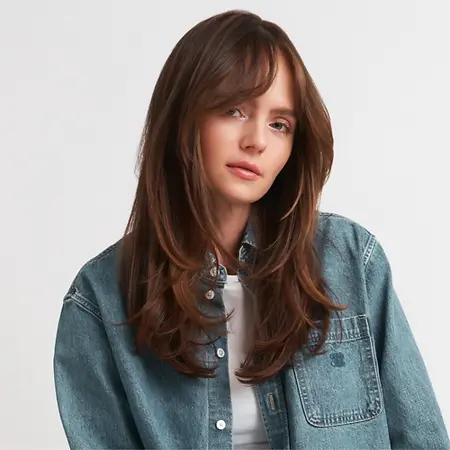
Her Story
About Rachel
I started my career in fashion, which was actually my early exposure to startups and my first business ownership instance. At the end of the day, what I really pride myself on and enjoy is helping people through transition - that started as more of clothing and lifestyle decisions, and then now has evolved into what I would call the final transition. I did a brief stint in finance and capital raising at JP Morgan, which gave me a lot of exposure to the financing side of startups, and that's what enabled me to build this business differently, with the intention to scale and actually put technology and a team behind the vision. The reason I ended up in deathcare and end of life is because I lost my father about a year ago, so that was really the instigating moment that allowed me to start this business. My day involves raising money to keep the company in business, getting our product launched and refined and promotional work like podcasts and interviews to create awareness and educate people. I really pride myself on this ability to connect with and help people, and the ability to reinvent my career across so many different areas, going from fashion to finance to death tech. I built and sold my first company 3 years ago, and knowing that I created something and someone else saw value in that gave me the confidence to go out and start something else.
Her Interview
Ten minutes with Rachel
01What do you attribute your success to?
I would say honestly one of the biggest factors is how intentional I've been about building and curating my network. I am a big connector, and I always believe in making connections for other people, and I try to do the same for myself. Those relationships end up paying dividends in ways that you don't always expect, and people I work with in seemingly unrelated career paths sometimes end up coming through at unexpected moments. One of my current investors is my old boss from JP Morgan, which I think is just really interesting in terms of how people have shown up for me in my life. I try to do the same, but I think just really being intentional about relationships, partnerships, and connection has been key. I also think it's about not being afraid to take risks and do things that are uncomfortable for most people, including myself. I've gotten to a certain level of comfortability with being uncomfortable that it's now just kind of my norm. If I am comfortable, I think I'm questioning what am I not doing or not trying. So I would say both of those things - intentional networking and embracing discomfort.
02What advice would you give to young women entering your industry?
I would say take more risks. I think you learn more from the failures than you do from the successes in most instances, so I would tell her that too. But I think especially just in taking risks, especially when you're younger, you don't have as much to lose. You don't really have anything to lose typically at that point. Life just gets more complicated with more people involved to consider and to support, you get older, and you run out of energy too. I think the stakes become higher, so it's good to take the risk and just do the thing while you're young.
03What are the biggest challenges or opportunities in your field right now?
The opportunities are vast, and so are the challenges - those things go hand in hand. I think the biggest challenge is that the deathcare industry is very fragmented, very siloed, and that results in a less than ideal consumer experience. That was my experience going through the process with my father. The industry is operating decades behind where consumers actually are looking for solutions. It's truly stuck in the past and barely on the internet, let alone up to date with AI and everything else that's happening today. Consumers going through that experience like I did are looking for solutions that either aren't there or aren't easy to find, and it's almost intentionally opaque when it comes to pricing and options - what should a funeral cost, what are the differences between cremation and direct cremation, burial, what are my options? It's very overwhelming to navigate, especially in that moment. There's this intentional curtain around that experience. Many people in the deathcare profession are compassionate and really care about families, but many are not really providing a service that people want or identify with in today's world. So there's a real gap and opportunity to create a tech supported experience that also has a service element that's more transparent, consumer friendly and helps people understand their options to meet them where they want to be met.
04What values are most important to you in your work and personal life?
I would say trust, and that ties to the transparency piece too. I just think trust and support and really just good intentions are so important. I always believe everyone is inherently good until proven otherwise, and I think that's really important in trust and relationships, business, personal, everywhere. I think that's really the foundation for it all. That saying of treat other people the way that you want to be treated, I also think is very important to me and kind of how I live my life and interact with others.
Join Influential Women and start making an impact. Register now.