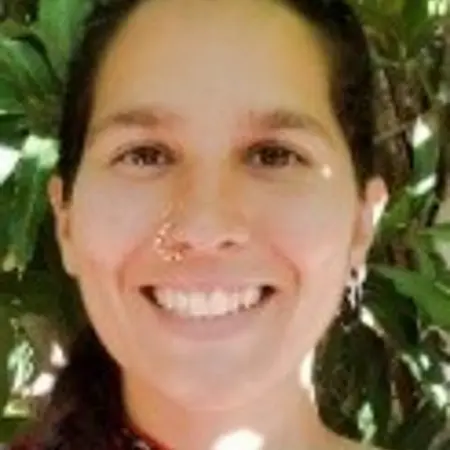
Her Story
About Rachel
My career sits at the intersection of technical skill, activism, and creative production. I've been a climb instructor since 2011, and I really enjoyed the outdoors and wanted to combine my skills with movement work, supporting various communities. I work with a variety of nonprofits, from Greenpeace USA (since about 2011), Rainforest Action Network, and Students for a Free Tibet, to help elevate their fights and their causes, while still being able to do something physical in my profession. I just got my IRATA and SPRAT Level 1 certification, so I'm trying to get more into the rope access field professionally. Since about 2016, I've done video editing, audio editing, and podcast creation. A lot of my video and audio editing or podcast creation is rooted in activist work - I created a prison abolition podcast where I would talk daily to folks who were incarcerated, then edit and host that podcast. I like to be embedded in activist work whenever I can for social and environmental justice issues. I've been able to work with hundreds, if not over a thousand people now, helping them get at height and reach places that they've never seen before. Being able to see people grow in that way feels like my largest accomplishment. I also helped co-produce the documentary 'The Story of a Forest,' which won an award. I balance rope access work, which is very rigorous, with video and editing and audio work, so I can do something remote when I can't always be on ropes.
Her Interview
Ten minutes with Rachel
01What advice would you give to young women entering your industry?
I would say the advice that I would give is to keep an open mind, learn as much as you can, and always remember that whenever you're going to something that seems similar, but is definitely different, there's always going to be growing pains.
02What are the biggest challenges or opportunities in your field right now?
I just got my certification for rope access, even though I've been teaching people rope things for a while, I'm trying to professionalize myself more. It's only men. Honestly, it's almost exclusively white men. I have a passion for teaching, that is what I love to do. But I know that it's really important at the end of the day, like, men can only take things so far in terms of teaching skills, which can be very flattened in terms of how they're delivered. Some of the challenges are the fact that there are very few women and non-binary people, trans people in this industry, and so I am going into this industry with that knowledge, knowing that I want to be able to work with a variety of communities - BIPOC, trans, non-binary. I want to be able to bring those skills and make it more accessible to people who have difficulties in these fields accessing them.
Join Influential Women and start making an impact. Register now.