Her Story
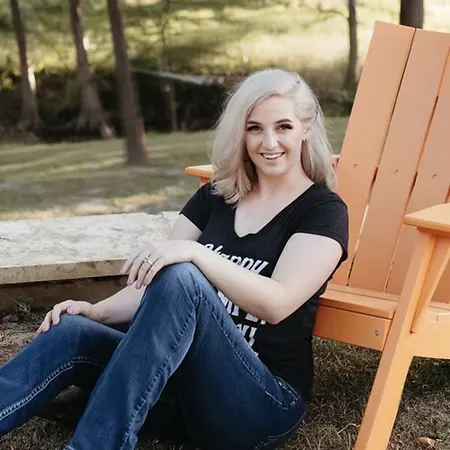
About Rainey
I've been in the laboratory profession for over 10 years now, starting when I was just 17 years old. I got my phlebotomy certification in high school through a tech program my school had just built - my class was the first to participate. I initially thought I'd explore different medical professions, but after working as a phlebotomist for two years and seeing the whole hospital, I realized the lab is home. It's the best place, so I stuck with it, got my degree in it, and have been doing it ever since. I worked as a phlebotomist through college while earning my associates in laboratory sciences and becoming an MLT. For the past 4 years, I've been working in blood banking and immunohematology at a Level 1 trauma hospital on a military base in San Antonio. My main focus is providing quick, efficient, and safe blood transfusion services for Level 1 traumas - whether it's a single or multiple person trauma, pediatric to adult - as well as ensuring we have the highest quality blood products for all our patients, whether they need transfusions due to trauma, medical conditions, cancer treatment, or surgery. I'm fortunate to have worked on both the donor blood center side and the hospital side, which not many people in blood banking get to do. I know everything from the donation process, testing, and manufacturing blood products on the front end, to preparing products, doing cross matches, and handling traumas and regular transfusions on the hospital end. I'm currently re-enrolled at the University of Cincinnati's online bridge program to finish my bachelor's degree in medical laboratory science by the end of next year, so I can eventually move into a supervisory or leadership role in blood banking. I'm certified under the ASCP, which is the top credentialing agency in the field. I love working in blood banking - a lot of people are scared of it because it's the place where you can potentially harm somebody if you're not careful, but it's a challenge I really enjoy, and I wouldn't want to be anywhere else.
Her Interview
Ten minutes with Rainey
01What do you attribute your success to?
I would probably have to say my husband, honestly. As easy as that may sound, he definitely helped rekindle that fire for me to go back to school and achieve more, and he knew I was capable of doing more. He was there as my support system, whether it was emotionally or financially, to cover me going back to college again, and he supported me all the way through. He is also our support system for our son - he watches him about 80% of the time while he's off duty, so I could come and work, and also still have a career, and still have a passion, and something I love, and be able to help take care of our son at the same time. So, he's my rock. Love that guy.
02What’s the best career advice you’ve ever received?
Probably two things. One, don't go to college until you're ready for it. I'm a firm believer in education, but I've dropped out of college twice. I wasn't ready for it when I was younger, for sure, and having certifications or going to a trade school holds just as much weight as a college degree. So, I never look down at people that have blue-collar jobs or even just certified positions in the hospital industry, because they work just as hard, if not harder. And two, once you do get into the industry you want, finish it. Don't drop out, finish it - it's hard, but it's so much harder to go back and do it again. So, I always tell people, like, hey, do it when you're ready, and do it when you know you're ready.
03What advice would you give to young women entering your industry?
Memorizing the coagulation cascade will not determine if you get a job or not. That's one thing in the school that they make you memorize - it doesn't matter anymore, but everyone goes through it, and it's terrible. And then, also, you're gonna mess up, you're not gonna be perfect at everything. There's so many different departments in the lab, and usually no one's good at all of them, but you're good at a couple of them, or a few of them, and that's all that matters. And as long as you understand and you follow protocol, you're gonna be fine.
04What are the biggest challenges or opportunities in your field right now?
Working at a Level 1 trauma hospital isn't for everyone. It's a lot more fast-paced, and you get a lot more crazy people in crazy situations. You get everything. A lot of hospitals have downsized a lot in their laboratories, and they don't get to do everything - it's getting more and more automated these days, so a lot of lab techs and technologists are losing those bench skills that you initially had 20, 30 years ago. We're still doing all of it, because we're all that we can depend on. We're the biggest and the best hospital, and we have to know everything. The scheduling is also challenging - you could work days, nights, holidays, weekends, you might miss some things occasionally, but it just kind of comes with the job and the position. On the opportunity side, my biggest opportunity in my field is being able to work outside of being a generalist. Being a generalist is typically working in core lab, which is hematology, chemistry, urinalysis. You're very lucky and very fortunate if you're selected or you get the opportunity to go work in microbiology or blood banking. I was ultra lucky to get into blood banking right off the bat, out of college, and I'm probably gonna stick with it for the rest of my career. A lot of people are scared of it, because that's the place where you can potentially harm somebody if you're not careful and you're not paying attention, so a lot of people tend to avoid it, but it's a challenge, and I really enjoy it and wouldn't want to be anywhere else.
05What values are most important to you in your work and personal life?
Organizational would probably be the number one thing I would always say. One, you have to be organized to be a parent, at least a little bit. You gotta have good scheduling, good organization skills, and I think also with just keeping all your ducks in a row at work, I mean, you're handling hundreds, if not thousands of patients and samples and different things, and you're multitasking across the whole lab. And sometimes it's not one person that got in a car accident, it's 10, and none of them have names, and none of them have IDs, and you gotta make sure you're doing the right thing to the right people. I'd say, staying focused, not taking on too much, staying organized - those are kind of the key values when it comes to, I'd say, being a parent or being a lab tech.
Join Influential Women and start making an impact. Register now.