A powerful testament to reinvention and resilience, this article explores how a stay-at-home mother became a trauma-informed abuse recovery coach, proving it's never too late to discover your purpose and reclaim your authentic self.
Influential Woman · Coaching
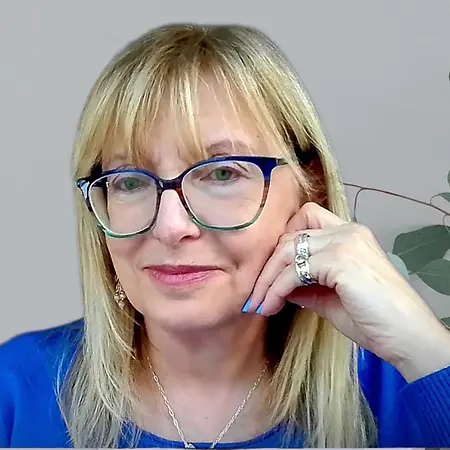
Randi Fine
Trauma-Informed Narcissistic Abuse Recovery Coach, RandiFine.com
Weston, FL
2026Years experience
1Article published
Her Story
About Randi
I am a trauma-informed narcissistic abuse recovery coach, author, and former podcast host. For more than 15 years, I have been helping people around the world heal from narcissistic abuse, rebuild self-trust, and reconnect with their authentic selves.
My journey into this work began with my own healing. I grew up in a narcissistically abusive environment and carried the effects of that trauma well into adulthood. For years, I struggled with self-doubt, unhealthy relationships, nervous system dysregulation, and a deep disconnection from who I truly was. Eventually, I came to understand what I had experienced and realized that healing was not about fixing something broken. It was about rediscovering myself and reclaiming what had always been there beneath the trauma.
What began as a personal recovery journey became my life's mission.
One part of my story that surprises many people is that I was a stay-at-home mother until my mid-50s. I'm 66 now, which means everything I have built has been created during the last decade of my life. As my youngest child was preparing to leave for college, I found myself asking an important question: "What now?" For the first time, I decided to create something for myself.
It started with writing my memoir and sharing my story. From there, I taught myself everything else. I learned how to build a website, promote my work, market books, run a business, create content, host a podcast, and build an online presence. I didn't have a team, investors, or a business background. I simply had a passion for helping others and a willingness to learn. To this day, I still run virtually every aspect of my business myself.
Over the years, I have published four books, including my most recent release, The Post-Narcissistic Reality Hangover. I also hosted a podcast for more than 12 years, interviewing over 500 experts, survivors, and thought leaders. Eventually, I stepped away from podcasting so I could focus more fully on coaching and serving the people who come to me for support.
Through my coaching, articles, educational resources, and weekly newsletter, I have had the privilege of supporting thousands of survivors, many of whom believed they had lost themselves forever.
I am also proud to have been among the early voices helping bring awareness to narcissistic abuse and the language surrounding it. When I began writing and speaking about this topic more than 15 years ago, there were only a handful of people discussing narcissistic abuse publicly. Today, awareness has grown tremendously, and there are countless professionals and advocates helping survivors find answers and support. Watching that evolution has been incredibly meaningful.
If there is one message I hope people take from my story, it is this: your past does not determine your future. Healing is possible at any age. The qualities that helped you survive can become the very qualities that help you thrive. It is never too late to reclaim your voice, your identity, and the life that has always belonged to you.
Her Interview
Ten minutes with Randi
01What do you attribute your success to?
The drive comes from a combination of intuition, experience, and seeing what is possible for people when they finally understand what they've been through. I've always been highly intuitive, and over the years I've learned to trust that intuition. It allows me to see patterns, recognize what's happening beneath the surface, and help people make sense of experiences that often leave them confused and questioning themselves.
But it's also the confidence that comes from doing this work for so long and witnessing real transformation. I've seen people go from feeling lost, broken, and disconnected from themselves to becoming confident, empowered, and deeply connected to who they are. Watching someone reclaim their voice, their identity, and their self-trust is incredibly powerful. Every time I witness that transformation, it reminds me why I do this work.
What motivates me is knowing that I can help people see things they may not be able to see on their own. When you're living inside the effects of trauma, it's often difficult to recognize what's happening or know how to move forward. I can offer perspective, guidance, and a roadmap that helps people understand the truth of their experience and find their way back to themselves.
There is nothing more rewarding than watching someone realize they were never as broken as they believed they were. They simply lost sight of who they were beneath the trauma.
That's what continues to drive me. I can't imagine not doing this work. Seeing the transformation that is possible for people is both inspiring and humbling, and I believe I will continue doing it for as long as I'm able.
02What’s the best career advice you’ve ever received?
The best career advice I ever received was to stop focusing on what I lacked and start focusing on what I had to offer. I didn't have the traditional credentials or background that many people in my field have, but I had experience, passion, and a genuine desire to help others. Once I stopped seeing my differences as limitations and started seeing them as strengths, everything changed.
03What advice would you give to young women entering your industry?
My best advice is not to let anything hold you back from pursuing what you feel called to do.
Because of my upbringing and the challenges I faced early in life, I was never able to finish college. I went back and took courses over the years, but I never earned a degree. For a long time, I wanted to become a therapist, but life simply didn't take me down that path. I'm not licensed, and I don't have the credentials that people traditionally associate with helping professions.
When I first felt called to do this work, I remember wondering, "Why would anyone come to me?" I didn't have the letters after my name. I didn't have the traditional qualifications. What I did have was a deep understanding of narcissistic abuse, a passion for helping people heal, and a voice that resonated with survivors.
I believed in what I had to offer, and thankfully, other people did too.
Looking back, I'm grateful I didn't allow the absence of traditional credentials to stop me from pursuing what felt like my purpose. If I had listened to the doubts, the expectations of others, or the conventional rules about what qualifies someone to make a difference, I wouldn't be doing the work I love today.
I believe that when you have a genuine passion, a clear sense of purpose, and a desire to serve others, you owe it to yourself to pursue it. Don't let naysayers, self-doubt, or society's definition of success convince you that you're not qualified enough to begin.
If you know you're good at something, if you know you have something meaningful to contribute, and if you feel pulled in a particular direction, trust that. Take the first step, then the next one. You don't have to have everything figured out before you start.
Some of the most meaningful things we create in life begin with nothing more than conviction, persistence, and the courage to believe in ourselves before anyone else does.
If it's truly your calling, keep moving toward it. You may be surprised by what becomes possible.
04What are the biggest challenges or opportunities in your field right now?
One of the biggest challenges in the narcissistic abuse recovery field right now is the overwhelming amount of information available to survivors. While increased awareness is a positive development, it has also created a landscape where it can be difficult for people to distinguish between accurate, trauma-informed guidance and information that is incomplete, misleading, or even harmful.
Many survivors are in a vulnerable place when they begin seeking answers. They are often confused, grieving, and desperate to make sense of what they've experienced. Unfortunately, not everyone offering advice has the depth of knowledge, experience, or understanding necessary to support that healing process responsibly. As a result, survivors can receive guidance that keeps them stuck, reinforces fear, or leads them further away from recovery.
Another challenge is that the field has grown so quickly that there is very little oversight. Anyone can claim expertise, regardless of their background, experience, or understanding of trauma. This places a tremendous responsibility on survivors to carefully evaluate the sources they trust, which can be difficult when they are already struggling.
At the same time, I see a tremendous opportunity. Awareness of narcissistic abuse has grown exponentially over the past fifteen years. When I first began speaking and writing about this topic, very few people were discussing it publicly. Today, survivors have access to resources, communities, and support systems that simply didn't exist before.
The opportunity now is to continue raising the standard of education, support, and trauma-informed care so that survivors receive guidance that empowers them to heal, reclaim their identity, and move forward with confidence. My hope is that the field continues to evolve in a way that prioritizes integrity, compassion, and the well-being of the people it is meant to serve.
05What values are most important to you in your work and personal life?
The values that are most important to me, both professionally and personally, are honesty, integrity, compassion, and patience.
I believe in being genuine and transparent in all of my interactions. Trust is built through honesty, and integrity means doing what is right even when no one is watching. Those values guide the way I work with clients, the content I create, and the relationships I build.
Compassion is equally important to me. Every person carries a unique life story, shaped by experiences, challenges, and circumstances that others may never fully understand. Because of that, I believe in meeting people where they are rather than where I think they should be. I try to approach others with empathy, curiosity, and respect for their individual journey.
Patience is another value that has become especially important through my work in trauma recovery. Healing doesn't happen on a schedule, and lasting transformation often takes time. I've learned that people grow at their own pace, and sometimes the most meaningful support we can offer is simply creating a safe space for that process to unfold.
Ultimately, I believe that when we lead with honesty, integrity, compassion, and patience, we create stronger relationships, deeper understanding, and opportunities for genuine growth, both for ourselves and for the people whose lives we touch.
Her Content Hub
Articles by Randi
It's Never Too Late to Become Who You Were Meant to Be
From Stay-at-Home Mother to Trauma-Informed Coach: Why It's Never Too Late to Discover Your Purpose
When people hear my story, they are often surprised by one particular detail.
I was a stay-at-home mother until my mid-50s.
Today, I am a trauma-informed narcissistic abuse recovery coach, author, educator, and advocate who has spent more than fifteen years helping survivors heal and reclaim their lives. I have published multiple books, hosted a podcast for over a decade, interviewed hundreds of experts and survivors, and built an international platform that has supported thousands of people around the world.
But none of that existed when I was raising my children.
In fact, if you had asked me in my 40s what my future would look like, I never could have imagined the life I have today.
Like many women, I spent decades focused on taking care of everyone else. I wasn't building a business. I wasn't pursuing a career. I wasn't thinking about becoming an entrepreneur or a thought leader. I was simply doing what needed to be done for my family.
What I didn't realize at the time was that life was quietly preparing me for a future I couldn't yet see.
My own healing journey
My own healing journey began long before my professional work. I grew up in a narcissistically abusive environment and carried the effects of that trauma well into adulthood. For years, I struggled with self-doubt, unhealthy relationships, people-pleasing, and a profound disconnection from my authentic self.
Like many survivors of emotional trauma, I believed something was wrong with me.
The turning point came when I began to understand that I wasn't broken. I was wounded.
That distinction changed everything.
Healing was not about fixing myself. It was about uncovering who I had always been beneath the layers of fear, conditioning, and survival mechanisms that had developed over a lifetime.
As I continued my own recovery, I became passionate about helping others understand what I had learned. What started as personal healing evolved into a calling.
Who am I now?
When my youngest child was preparing to leave for college, I found myself standing at a crossroads familiar to many women.
For years, my identity had been closely connected to the roles I played for other people. Suddenly, I was faced with an important question:
Who am I now?
Rather than seeing that question as a crisis, I chose to see it as an opportunity.
I began writing.
My first book was a memoir about my life and healing journey. Publishing that book opened a door I never knew existed. To promote it, I had to learn skills I had never imagined using. I built a website. I learned marketing. I studied online business. I created content. I started a podcast. I immersed myself in a world that was completely unfamiliar to me.
I was self-taught from the beginning.
I didn't have a degree in psychology. I wasn't a licensed therapist. I didn't have investors, a business background, or a team helping me build a brand.
What I had was passion, persistence, and a deep commitment to serving others.
Over time, people began responding to my message because they recognized authenticity. They knew I wasn't speaking from theory alone. I was speaking from lived experience, extensive study, and years of working alongside survivors as they healed.
Credibility is built through consistency, integrity, and results
One of the greatest lessons I have learned is that credibility is built through consistency, integrity, and results.
In today's world, we often place enormous emphasis on credentials, titles, and external validation. While expertise and education certainly matter, they are not the only factors that determine whether someone can make a meaningful impact.
People connect with truth.
They connect with sincerity.
They connect with someone who genuinely understands what they are experiencing.
Reinvention has no expiration date
Another lesson I have learned is that reinvention has no expiration date.
Too many people believe that if they haven't achieved something by a certain age, they have missed their opportunity. They tell themselves they are too old, too inexperienced, too far behind, or too late to start.
I understand that mindset because I once believed it myself.
The truth is that some of the most meaningful chapters of our lives begin after we think the story is already written.
The wisdom, resilience, and perspective we gain through life's challenges often become our greatest assets.
Today, when I work with survivors of narcissistic abuse, I often remind them that healing is not about becoming someone new. It is about returning to who they were before fear, trauma, and self-doubt convinced them they were less than they truly are.
I believe the same principle applies to life and leadership.
Many of us spend years searching for confidence when what we really need is self-trust.
We search for permission when what we really need is courage.
We search for certainty when what we really need is the willingness to take the next step.
If my journey has taught me anything, it is that purpose does not always arrive on a predictable timeline. Sometimes it emerges from our deepest struggles. Sometimes it appears after an unexpected transition. Sometimes it finds us when we finally stop asking whether we're qualified and start asking how we can serve.
I didn't begin this work until my mid-50s.
Today, at 67, I can honestly say that I am doing exactly what I was meant to do.
My hope is that others, especially women who believe their best years are behind them, will understand this:
- It is never too late to start over.
- It is never too late to discover your purpose.
- It is never too late to trust your voice.
- And it is never too late to become who you were always meant to be.
Join Influential Women and start making an impact. Register now.