Her Story
About Renee
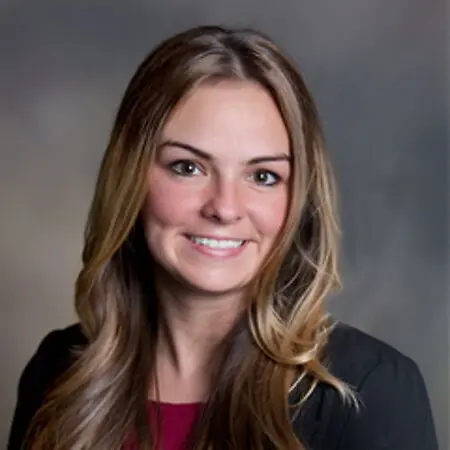
Dr. Renee Tolly is an Associate Professor of Anesthesiology at the Arthur M. Blank Children’s Healthcare of Atlanta, affiliated with the Emory University School of Medicine. She serves as the Associate Program Director for the Pediatric Anesthesia Fellowship, where she also leads the program’s scholarly efforts as Scholarship Chair.
Dr. Tolly’s clinical and academic interests span several high-acuity areas of pediatric anesthesiology. She is a member of the multidisciplinary Anterior Mediastinal Mass Committee, contributes to the institution’s transplant anesthesia team, member of the anesthesiologists involved with Pre-Op Clinic, one of the Clinical Directors of the operating room, and provides specialized care as part of the inpatient Pain Service. Her work reflects a commitment to advancing clinical excellence, fostering trainee development, and supporting collaborative, evidence-based care for complex pediatric populations.
Her Interview
Ten minutes with Renee
01What do you attribute your success to?
When I reflect on my success, I attribute it to a foundation built on service, resilience, and purpose. Growing up helping care for my cousin with cerebral palsy taught me, long before I understood medicine, what it means to show up for someone in their most vulnerable moments. That early exposure shaped both my empathy and my determination to be part of the solution for children who face complex medical challenges.
My family’s military background instilled discipline, grit, and an unwavering work ethic—qualities that carried me through the demands of dual degrees, clinical training on an island far from home, and later, the intense environments of pediatric anesthesia and transplant medicine. I’ve also been fortunate to learn from mentors who modeled integrity, curiosity, and leadership, and who showed me that excellence in medicine is not only technical—it’s personal.
But more than anything, my success comes from the children and families I care for. They remind me why advocacy matters, why leadership matters, and why pushing for safer, more equitable care matters. Their courage fuels my commitment to research, education, and service. I am simply a reflection of the people and communities who shaped me—and the young patients who inspire me every single day.
02What’s the best career advice you’ve ever received?
One of the best pieces of career advice I ever received was the classic line: ‘If you’re on time, you’re late.’ It came from someone who knew me well enough to realize that my natural instinct is to run at full speed toward every goal. And while the quote is usually about punctuality, I’ve learned to interpret it a little differently over time.
For ambitious people—especially in medicine—it’s easy to believe that being early, over-prepared, and constantly ‘on’ is the only acceptable mode. But the real lesson for me has been this: don’t move so fast that you miss your own life. If the only time you’re not in scrubs is on your day off when you remember you actually own jeans, that’s your sign to hit pause.
So yes, I still show up early to almost everything—but I also make sure I’m not ‘late’ to the things that matter outside the hospital. That balance has kept me grounded, human, and able to bring my best self back to the work I love.
03What advice would you give to young women entering your industry?
My advice to young women entering medicine—especially anesthesiology—is simple: be ready to learn, stay adaptable, and don’t panic when the monitor beeps…it’s not always you. This field evolves daily, and the people who thrive are the ones who stay curious, ask questions, and treat every challenge as an invitation to grow.
Most importantly, don’t be afraid to take up space. Medicine needs your voice, your ideas, and your perspective—yes, even if you’re the only one in the room who remembered to bring snacks to a long case. Confidence isn’t about knowing everything; it’s about trusting that you belong here while you learn it. And you do.
04What are the biggest challenges or opportunities in your field right now?
One of the biggest challenges—and simultaneously one of the greatest opportunities—in pediatric anesthesiology and anesthesiology overall is workforce sustainability in the face of rising clinical demand. We’re seeing a real imbalance between supply and demand: projections show that nearly 30 % of anesthesiologists may leave the workforce by 2033, potentially creating a shortfall of more than 12,000 providers nationwide. At the same time, more than half of active anesthesiologists are older than 55, with a significant portion nearing retirement, and residency training slots simply haven’t kept pace with demand. In 2022, 44 % of applicants to anesthesiology residency positions went unmatched due to limited slots—highlighting a training bottleneck that impacts both general and pediatric anesthesia workforce growth.
In pediatric anesthesiology specifically, workforce projections indicate there were historically about 5.4 pediatric anesthesiologists per 100,000 children, and under certain training trends that growth may barely keep pace with population needs over the next decade. While these numbers suggest modest improvement, the reality on the ground is that staffing shortages already strain services in many children’s hospitals and perioperative units. Added to this, many hospitals nationwide are scaling back pediatric services due to financial and operational pressures, which compounds access issues for families.
These workforce challenges inevitably intersect with broader systemic pressures: high burnout rates, reimbursement cuts, and the need for innovative care models that support safe, high-quality anesthesia services in pediatric and adult populations alike. At the same time, these challenges present opportunities—especially in leadership, education, and systems redesign. We can leverage mentorship, advocacy for expanded training pathways, team-based care models, and technology to ensure our specialty not only meets the needs of our patients, but that it remains a vibrant, sustainable field for future generations.
05What values are most important to you in your work and personal life?
The values that matter most to me—both in my work and in my personal life—are honesty, accountability, and meaningful one-on-one connection. In medicine, honesty builds trust, accountability keeps us grounded, and genuine connection reminds us why the work matters in the first place. Those same principles guide me outside the hospital too: showing up as someone who is transparent, dependable, and fully present, whether I’m caring for a patient, mentoring a trainee, or spending time with the people I love.
At the end of the day, titles and accomplishments evolve, but how you treat people—and how consistently you show up for them—never stops defining you.
Join Influential Women and start making an impact. Register now.