Influential Woman · Mental Health
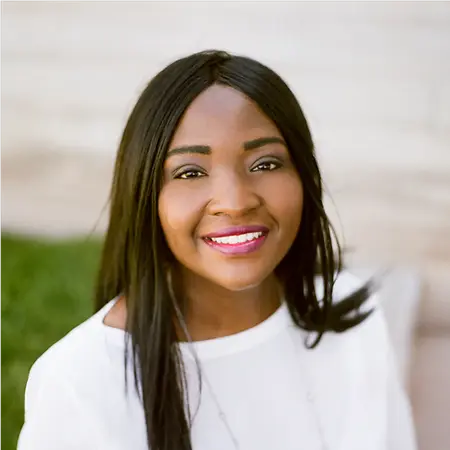
Dr. Rosemay Webster
Psychologist, Utah Valley University
Orem, UT 84102
I got my PhD at 40, leaving my family temporarily. Many were confused, but we made it through, and it's been one of the best decisions of my life.
Dr. Rosemay Webster · In Her Own Words
Her Story
About Dr. Rosemay
Rosemay Webster is a speaker, licensed clinical social worker, educator, counselor, and leadership trainer whose career has been dedicated to helping individuals, families, and organizations thrive. Currently serving as an adjunct professor at Utah Valley University, she combines clinical expertise, teaching, and leadership development to support personal growth and emotional well-being. Her work is grounded in a deep understanding of human behavior, communication, and the power of healthy relationships. Rosemay’s professional journey has been anything but conventional. Originally entering college as a music major, she quickly discovered that psychology was her true calling and pursued a path that would lead her into education and mental health. Over the years, she has earned master’s degrees in Special Education and Social Work and built experience as an elementary school teacher, special education teacher, and mental health therapist. Much of her clinical career was shaped by nearly two decades living overseas while accompanying her husband during his service with the U.S. State Department. Those international experiences broadened her perspective, strengthened her cultural competence, and deepened her ability to work effectively with diverse populations around the world. Today, Rosemay is passionate about helping individuals and organizations build stronger, healthier relationships through relational leadership. In addition to her counseling work, she leads training programs focused on communication, conflict resolution, collaboration, influence, and burnout prevention. Her goal is to help people create environments where respect, trust, and loyalty can flourish. A member of the American Psychological Association and the Association of Black Psychologists, Rosemay considers completing her Ph.D. in Counseling Psychology while raising three children and managing family responsibilities to be one of her proudest accomplishments. Her career reflects a lifelong commitment to learning, service, and empowering others to lead with empathy and purpose.
Her Interview
Ten minutes with Dr. Rosemay
01What do you attribute your success to?
As the oldest child in my family, I developed a strong sense of responsibility and initiative from an early age. While these traits can sometimes be interpreted as directive, they have also contributed to my sense of ambition, leadership abilities, and desire to support those around me. I have intentionally cultivated a strong network of relationships, and my partner has been a consistent source of support and encouragement throughout my life. The combination of my family role and these meaningful relationships has significantly shaped my values, perspective, and approach to navigating the world.
02What’s the best career advice you’ve ever received?
Never be afraid to pivot
03What advice would you give to young women entering your industry?
I would encourage others to lead with their values. This is a principle I frequently discuss with my college students, many of whom are navigating important life and career decisions. We often explore how values serve as a foundation for finding meaning and purpose. While careers and circumstances may change over time, a clear understanding of one's values provides consistency and direction. When individuals remain grounded in what matters most to them, they are better equipped to make decisions that align with their goals and identity. In my experience, living in accordance with one's values has a significant and lasting positive impact on overall well-being and life satisfaction.
04What are the biggest challenges or opportunities in your field right now?
One of the most significant challenges facing our field is responding to the psychological impact of administrative and policy decisions that disproportionately affect marginalized communities. In many cases, the emotional and mental health consequences of these policies are not fully recognized or appreciated. In my work within a college counseling center, I regularly support students whose families are directly affected by immigration-related concerns and other systemic stressors. These students are often navigating significant uncertainty while simultaneously managing academic responsibilities, concerns about their future, and questions about their personal and family safety. The intersection of large-scale systems and individual lived experiences can create profound psychological distress, yet these impacts frequently go unnoticed.
As mental health professionals, we are challenged to find ethical and effective ways to support individuals experiencing the consequences of broader societal and institutional decisions while also advocating for their well-being. Balancing clinical care, professional responsibilities, and advocacy efforts requires ongoing reflection and thoughtful leadership.
Another challenge I see, particularly through my work in relational leadership development, is the growing need for connection and interpersonal skill-building among young adults entering professional environments. While technology has created remarkable opportunities for communication and access, it has also contributed to a decline in opportunities to develop the relational skills necessary for meaningful connection and collaboration. We are increasingly seeing the effects of this disconnect in both psychological well-being and workplace relationships. As a field, we are tasked with navigating the tension between embracing the benefits of technological advancement and preserving the fundamental human connections that are essential to mental health, resilience, and effective leadership.
05What values are most important to you in your work and personal life?
Authenticity is probably my number one value, followed closely by honesty, fun, and diversity. I think I lead with all of those values.
Join Influential Women and start making an impact. Register now.