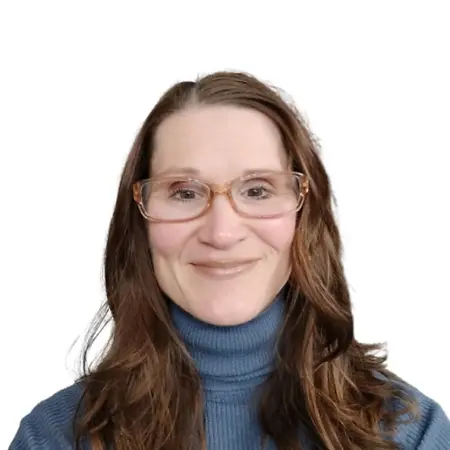
Her Story
About Samantha
I originally didn't plan to become a coach. I had done a lot of corporate work, but once I got several years into 3-generation caregiving, having my own family and caring for aging parents in the same household, I realized there's so much that caregivers don't have. If they had the right support tools and structure, they could both handle capability and maximize their capacity. But a lot of it was a capacity issue because they were literally having to build all those systems around them to make them successful from nothing. Last year, my dad passed away at home, and we were finally able to get a diagnosis of Alzheimer's for my mom. Without my dad here, I felt like I needed to have a little bit better skills in being able to support her and help with supporting her ability to be independent while keeping her safe. So last year into this year, I finished a dementia therapy certification so that I understood both the science and the social piece of it, the safety, how the dementia mind works, and how to communicate with her. A diagnosis doesn't come with a manual or a how-to, and the vast majority of caregivers don't get any formal training for basic things, let alone condition-specific training. I realized how much more powerful it would be for our caregivers to get condition-specific training so that they had better tools. Now I work with caregivers to provide them with the systems, structure, and support they need, help them find people who will help them, so that they could spend more time being present, loving, and caring for their parents or children or whoever they're caring for, as opposed to spending time researching and trying to figure out medical, legal, and financial expertise. For me, I love to see people succeed and I love to see families succeed. There's no reason why it has to be this hard. I can help.
Her Interview
Ten minutes with Samantha
01What do you attribute your success to?
I think success for me has come from just the pure love of other people, just wanting to help other people. In informal roles that I've had, where I've worked with people who are brand new to an industry and they just didn't know what to do, I realized that with the right help and tools and support, anyone can do anything. That's what I really like about caregivers. We love our families, we'll do anything for them. Most of us are just through trial and error, figuring out what do I need, how do I accomplish it. In corporate worlds and academic environments, there's people, systems, processes, and structures that are already put into place to create success. Caregivers don't have any of that. So we feel like we're kind of like fish out of water. We're not afraid of hard work, but does it really have to be that hard? If I could provide people with the systems, structure, and support, help them find people who will help them, so that they could spend more time being present, loving, and caring for their parents or their children or whoever they're caring for, as opposed to spending time researching and trying to figure out medical, legal, and financial expertise. For me, I love to see people succeed, and I love to see families succeed. There's no reason why it has to be this hard. I can help.
02What advice would you give to young women entering your industry?
Get certified training. If you are the full-time, one-on-one caregiver, I would say definitely do a certification that helps you understand both the science and the diagnosis, but then also what does care look like at the beginning, what am I going to need to do when I get to middle stages and it's messy, what's the end going to look like. So that they can not only have the skills on a daily basis, but then they're able to future pace, what did my loved one need in 2 years, or in 5 years, or in 10 years. The other two things I suggest is that the caregiver create a baseline plan, like a minimally viable care plan, so if the day gets blown out of the water by emergencies or whatever, you can say to yourself, okay, these are the things that must get done for my loved one, and it's okay. The second thing is to be working with, I say working, but in contact with a peer. I have a caregiving peer that I contact on a daily basis. We text message each other, we call each other. She's caring for her mother-in-law with dementia, and she's literally a sister to me now because we talk to each other every day. We give each other advice, we listen to each other, we help each other, we do whatever we can to support each other.
Join Influential Women and start making an impact. Register now.