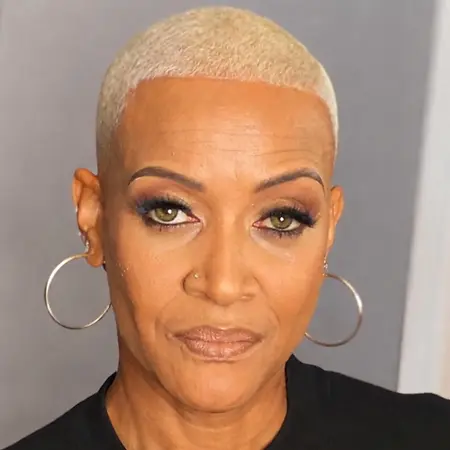
Her Story
About Sandra
Sandra Powell, MBA, is a dedicated public service professional who most recently served with the South Carolina Department of Public Health (DPH) Central Office. As a Program Analyst within the Vital Records section, she played a key role in ensuring the accuracy, compliance, and timely processing of critical records across the state. Powell worked closely with physicians, funeral home directors, and administrative personnel to support South Carolina’s electronic death certificate system, leading statewide enrollment efforts during the transition from paper-based to digital filing. She also developed and implemented structured training programs, including step-by-step instructional materials that enabled medical professionals to meet strict reporting timelines, reinforcing her commitment to operational excellence and public health integrity.
Powell’s career is distinguished by more than two decades of progressive leadership experience across government sectors, with strengths in program management, stakeholder engagement, and administrative operations. She is widely recognized for her strategic mindset, attention to detail, and ability to lead cross-functional teams in high-impact environments. Her service as a Field Manager during the 2020 decennial census with the United States Census Bureau further broadened her perspective on data equity, particularly the underrepresentation of veterans and individuals experiencing homelessness. This experience deepened her commitment to service and advocacy, shaping her ongoing efforts to support underserved populations.
Prior to her civilian career, Powell dedicated 37 years of honorable service to the United States Army, retiring in 2016. The military instilled in her a strong work ethic, disciplined leadership style, and the ability to effectively navigate diverse and complex environments while solving problems with precision and foresight. Following her transition into healthcare administration, she contributed nearly five years to public health initiatives through DPH. Powell earned her bachelor’s degree in 2018 and her Master of Business Administration in 2019, and she is currently pursuing a doctoral degree in business. At present, she is not working and exploring new opportunities while collaborating with fellow veterans to develop a service-focused initiative supporting homeless veterans with access to healthcare, housing, and essential resources. In her personal time, she enjoys spending time with family and maintaining an active lifestyle through regular fitness and exercise.
Her Interview
Ten minutes with Sandra
01What do you attribute your success to?
The military is what I attribute my success to. I think it gave me my work ethic, my leadership abilities, and it gave me the ability to work in diverse situations with diverse people. It taught me how to think and problem-solve before just jumping in feet first. I can problem solve due to the education that the military gave to me and the experience. Those 37 years shaped everything about how I approach challenges and work with others.
02What advice would you give to young women entering your industry?
For both the military and healthcare, my advice is to get yourself educated. If you're going into the military, learn the rules and regulations. If you're going into healthcare, know your job and know the next level you're looking into. Always look forward and never stagnate. Never let anyone tell you what you aren't capable of doing. Have a plan, keep that plan in your forefront mind as to what you want to do, and then succeed at that plan. Just be successful. You don't have to do what your parents did - do better than them. Hopefully most parents want their children to out-succeed them in life, but there's some that don't. The biggest challenge you'll face is gaining the respect that you deserve and being able to advance in the same way that male counterparts can advance. You're going to have to gain that respect and still try to maintain your feminism. If we say the same thing that a male says, we're considered emotional or the B word, and that's the challenge - but don't let it stop you.
03What are the biggest challenges or opportunities in your field right now?
The biggest challenge facing women in both the military and healthcare is gaining the respect that we deserve and being able to advance in the same way that our male counterparts can. When they opened up infantry and rangers, that gave us a heads up and showed that there's some women in the military that could do more than men, or as much as men, and not be held back just because we're women. But a lot of us come in soft-spoken, and because of being in the military, we become harder. We always get the nickname of the B word when we're just as forceful as a male. If we say the same thing that a male says, we're considered emotional or the B word. That's the challenge that women now have - they're going to have to gain that respect and still try to maintain their feminism. It's an unfair balance between the sexes.
04What values are most important to you in your work and personal life?
Integrity and loyalty are the two most important values to me, both in my professional life and my personal life. Those are the two biggest things to me integrity and loyalty.
Join Influential Women and start making an impact. Register now.