A powerful personal memoir of surviving aggressive leukemia, detailing a journey through multiple relapses, experimental treatments, and the unwavering support of family that ultimately led to long-term remission and renewed appreciation for life.
Influential Woman · University
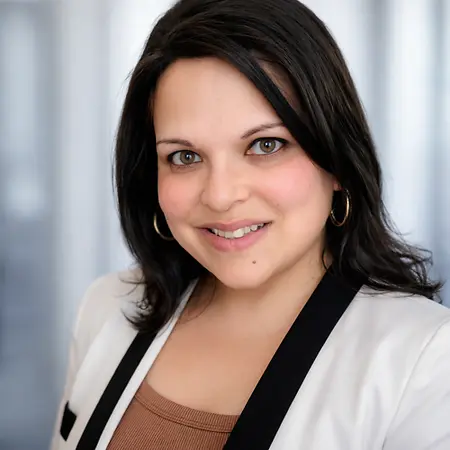
Sanghamitra Roy
Professor, Utah State University
Logan, UT 84321
1Article published
4Awards received
Her Story
About Sanghamitra
I grew up in India, where my love for engineering took root early. Earning the University Gold Medal during my engineering bachelor’s program opened a door I had only dreamed of—it gave me the opportunity to come to the United States on a scholarship. I completed my master’s degree at Northwestern University and then pursued my Ph.D. at the University of Wisconsin–Madison, a place that shaped both my professional path and my personal life. It was there that I met my husband, who was also completing his Ph.D. in computer science.
Not long after graduation, we moved to Utah and joined Utah State University together as new faculty members. We co‑founded the USU Bridge Lab, guided by curiosity and a shared belief that innovation happens where disciplines intersect. In 2008–2009, combining computer architecture and VLSI design into a cross‑layer research model was almost unheard of—but we embraced that challenge. Those early years led to impactful publications, best‑paper recognitions, and major research awards, including the NSF CAREER Award.
Over the past seventeen years at USU, I have grown from assistant professor to full professor, co‑directing a nationally recognized research lab and securing significant research funding to support groundbreaking work in power‑efficient computer design. Yet throughout all of this, the core of my work has remained the same: nurturing curiosity, questioning assumptions, and empowering the next generation of engineers.
One of the most defining chapters of my life, however, happened outside academia. I fought—and won—a three‑year battle with leukemia, despite having only a 25% chance of survival. It was the darkest and most humbling period I have ever experienced. That journey changed me and my family in profound ways. It taught us to slow down, to step out of the relentless pace of the “rat race,” and to focus on creating memories that truly matter. Surviving cancer reinforced what I already believed about my work and my life: that purpose, connection, and presence are far more important than speed or external pressure.
Today, I continue my academic career with the same passion for innovation—but with a deeper appreciation for balance, resilience, and the preciousness of every moment.
Her Interview
Ten minutes with Sanghamitra
01What do you attribute your success to?
Although research achievements and awards have been important milestones, the true source of my success has always been people—especially my students. Mentoring young engineers has been the most meaningful part of my career. I’ve worked with students who arrived with raw potential, discovered a passion for chip design, and went on to join some of the world’s leading semiconductor companies, including Intel, AMD, Qualcomm, and Micron. Watching them grow, thrive, and contribute to the technologies shaping our future brings me profound joy. Knowing I played even a small role in their journey is one of my greatest rewards.
I also owe a great deal to the collaborative spirit that defines the Bridge Lab. From the beginning, our research environment emphasized bold thinking, questioning the status quo, and offering rigorous, constructive critique. That culture of open intellectual exchange shaped our most innovative ideas and pushed us into research territory that had barely been explored when we started.
And, of course, I credit my family—especially my husband and research partner. Our parallel academic paths, shared goals, and mutual support have been fundamental to every chapter of my career.
Ultimately, I attribute my success to a blend of curiosity, perseverance, collaboration, and a deep commitment to lifting others. Innovation may have brought me into this field, but the lives I’ve touched—and the lives that have touched mine—are what truly define my journey.
02What’s the best career advice you’ve ever received?
One of the most impactful pieces of advice I received came early in my career from a professor at the University of Wisconsin–Madison. He told me, “Don’t give your life to the tenure gods.” Those words stayed with me and grounded me during the most demanding years of my tenure‑track journey.
I worked extremely hard—like every junior faculty member does—but I made a conscious decision not to let the process consume my entire life. I was already married, and during that period, my husband and I welcomed our baby boy. Instead of putting life on hold, we embraced it. We traveled internationally as a young family, created memories, and allowed joy, curiosity, and balance to coexist with ambition and academic rigor.
That advice shaped my philosophy: a meaningful career should support your life, not overshadow it. I’ve carried that mindset with me ever since, and it has helped me build a career that is not only successful but deeply fulfilling.
03What advice would you give to young women entering your industry?
The most important advice I can offer is this: believe in yourself—deeply, consistently, and unapologetically. In engineering and technology, you will encounter criticism, doubt, and moments when the outside world questions your abilities. That noise can be loud. But your inner belief must be louder.
This field is incredibly rewarding, but it isn’t easy. There will be failures, setbacks, and disappointment. That’s normal. What matters is your willingness to keep going—to trust that if you continue trying, learning, and showing up, you will move forward. Progress in engineering rarely happens all at once; it comes from persistence.
When you cultivate that inner confidence, you give yourself permission to grow, to take risks, and to imagine possibilities beyond what others expect of you. So my advice is simple but essential: hold on to your belief in yourself, especially on the days when it feels hardest. It will carry you farther than you think.
04What are the biggest challenges or opportunities in your field right now?
Computer engineering is undergoing one of the most dramatic transformations in its history. Over the last decade, the field has advanced at an extraordinary pace, and with the rise of AI, we are now at a true inflection point. AI chips—and the systems built around them—form the backbone of nearly every major technological breakthrough happening today.
That makes this both an incredibly exciting and a genuinely challenging time to be a computer engineer. On one hand, we have an unprecedented opportunity to shape the direction of the tech revolution. The architectures, hardware accelerators, and design innovations we develop today will define the capabilities and ethics of tomorrow’s AI-driven world. Being part of that foundation is thrilling.
But with this opportunity comes complexity. The demand for more performance, more efficiency, and more intelligent systems is accelerating faster than traditional design approaches can keep up with. With AI becoming deeply embedded in society, the stakes are higher—technically, socially, and even globally. For those entering computer engineering today, you have the chance not just to witness change, but to actively shape the future of technology.
05What values are most important to you in your work and personal life?
Authentic connection is one of the values I hold closest, both professionally and personally. I genuinely enjoy getting to know people—building relationships grounded in trust, respect, and mutual understanding. Whether it’s colleagues, students, collaborators, or friends, I believe the most meaningful work happens when people feel seen, supported, and valued for who they truly are.
I’ve never been motivated by internet fame or follower counts. Impact, to me, comes from something far more personal and lasting: helping people grow. Through the Bridge Lab’s seventeen‑year journey, that has been our guiding principle—changing lives one student at a time. Seeing students find their passion, build confidence, and step into influential roles in the tech world has been deeply fulfilling.
At the core, the values that drive me are authenticity, integrity, meaningful human connection, and a commitment to lifting others. These values shape how I lead, how I teach, how I collaborate, and how I try to live every day.
Her Content Hub
Articles by Sanghamitra
A sudden storm derailing my professional and personal journey
From the Brink of Death to a Life Reclaimed: One Woman's Remarkable Journey Through Leukemia and Resilience
n 2017, my life shifted in a way I could never have imagined. I was diagnosed with leukemia—an abrupt and devastating turn from what had been the most fulfilling years of my personal and professional life. Between 2014 and 2017, everything seemed to be falling into place. My husband, Koushik, and I both earned tenure and promotion; our research was receiving national and international recognition; and we were exploring the world with our young son. Life felt full, balanced, and beautifully in rhythm.
And then, suddenly, it wasn’t. However, since my diagnosis, it has been an incredible journey, and I would not have been able to fight this without my two warriors: my husband, Koushik, and my son Deep.
I still remember the fateful night of April 4th, 2017. Due to excessive fatigue, at Koushik's advice, we went to Instacare after canceling my afternoon class. They did a blood draw and a complete blood count (CBC), but then said that their machine was faulty. They asked me to redo my CBC at the hospital, so I did, and later we went to pick up our son from school. After returning home, we went to the park. We were thinking the doctor would call with an anemia diagnosis and prescribe some supplements. The doctor did call back, and when he said "blood cancer", things became hazy for me. I said, "Blood Cancer???” in utter disbelief to my husband. He was also in disbelief and speechless, but he hugged me tight. The doctor advised me to go to the ER immediately. We dropped our son off at a neighbor's place and went to the ER. What seemed like excessive fatigue was diagnosed as a very aggressive form of leukemia (blood cancer). In fact, my white blood cell (WBC) count was 800K (the normal high range is 10K), and doctors at Logan Hospital told me they haven't seen that high a count in their lifetime. The Instacare test wasn't faulty after all. I was on the verge of death and transferred via ambulance to LDS Hospital in Salt Lake City, where I went directly to the ICU. I had a near-death experience that night. Somehow, at that moment, all that mattered to me was some more time to spend with my husband and my child. Nothing else mattered, not the recognition, nor the professional success, nor the house where I lived--nothing else.
By morning, I knew I was most likely stable and going to live at least longer than the previous night, thanks to my doctors and nurses. The next emotion to fill my mind was denial. Why me? I had been maintaining a healthy lifestyle. A lot of people say cancer is a lifestyle disease. In fact, in the last few years, I made many lifestyle changes, eating fresh organic vegetables and fruits, rarely eating carcinogenic foods, exercising regularly to maintain a healthy weight, and never smoking in my life. I had perfect and normal Lab results just a year ago. None of my parents or siblings had cancer. Why me? What did I do wrong to get this? I had no answer, and neither did the doctors have any answers as to what caused this. All they could say it was not genetic. I guess life is a great equalizer; everyone goes through good times and bad times, and this was one of my top ones.
Me and my family at LDS hospital where I stayed many months in 2017.
After a couple of days, when my mind had enough of near-death and denial emotions, I decided that I was going to fight the disease to get my amazing life back--the life for which I had worked hard for many years. And I will use this unique journey as a new avenue for growth and learning. Right from the diagnosis, my husband has been beside me every step of the way. His only focus was to get me well. We had to relocate to a place 80 miles away from our home and stay away from our son Deep for several months. I know how incredibly hard it can be as a caregiver, but I am ever so grateful for Koushik's love and patience in caring for me, and cooking for me, while also undertaking his professional responsibilities at work. In these 8 months, I have never seen a drop of anger or frustration in him, but endless love and encouragement, and giving me the hope that I can beat this terrible disease. Deep, our 6-year-old son has shown such an amazing strength during this difficult time in our lives. I cannot imagine a 6-year-old having to live away from his parents for several months. But he never complained and adjusted quickly to the two wonderful families caring for him. Deep learned to pack his luggage every time he came to visit us and carefully take his things back. This child has been through so much but never complained once, and I am so grateful to be his mom.
My eldest sister, Rini, is the reason I got into remission for a year and a half. She turned out to be a full match and very generously donated her stem cells to me. I got a stem cell transplant in September 2017 after receiving several months of chemotherapy treatment. Her baby stem cells have grown in my body, and the hope is that they will give me a new immune system to remain cancer-free.
And I was doing well after a year in 2018. The past year has shown us amazing support from some of our family, friends, and students. I felt so happy to see the selfless love and kindness in the people around me. I have gained some great new friends during this journey. I try to do a little of that each day, something to help others grow, or to help someone in a crisis. I try to enjoy blissful moments with my loved ones and with the nature surrounding me.
When I wrote the above story in 2018, I believed that I had won the battle against the beast. The year 2018 was filled with joy, travel, and excitement. There was some PTSD occasionally, but I was still enjoying every moment of life that I did not think I would get to live. However, in January 2019, the darkness cast its ugly shadow again upon me and my family. Through a dermatological test on my scalp, we found the same leukemia cells again, while these cells were absent in my blood and bone marrow at the time. My cancer relapsed after 1.5 years of my stem cell transplant. Within weeks, the count of leukemia cells started growing as this mutation was a fast-growing and deadly one. Along with reliving the shock, the possibility of impending death, and the severe pain of separation from my 8-year-old child, there were numerous chemo treatments, radiation, and hopelessness.
My cancer team members at LDS Hospital were immensely supportive. They suggested trying the CAR-T cell therapy, a clinical trial ongoing at the Fred Hutch Cancer Center in Seattle. CAR-T is a promising immunotherapy technique where the T-cells from a patient's body are collected and re-engineered to target and attack cancer cells with specific proteins. At this point, there was no choice left for us, as the only curative treatment—stem cell transplant had already failed. We left Deep with his friend’s family in Logan and drove to Seattle in February 2019. One of our PhD students—one of the kindest people I have ever seen—also drove with us. Both Koushik and I took a short leave from work. We were feeling hopeless, but still trying to fight till we had no more options left. Seattle was nice, the doctors and healthcare staff were caring and very competent. After 2 months, Deep also joined us in April. Deep had to fly alone at the age of eight from SLC to Seattle. He had a lot of assistance from a very caring aircrew/staff. After Deep joined us, we visited every single museum in Seattle over the next month as we reunited as a family.
By sometime in late April, we drove back to Logan, Utah, after Car-T therapy was completed, initially showing the absence of leukemia. Again, we were thrilled and had a wonderful summer. We celebrated the graduation of 4 PhD students in our research group in May 2019. We also took a fun vacation, traveling to Montreal, Canada. We even attended the Design Automation Conference (DAC) in 2019 with some of our PhD students. Unfortunately, CAR-T was unable to conquer my leukemia, and I relapsed yet again in September 2019. Alas, the good times never lasted, when all I wanted was to be healthy and to enjoy some more time with Koushik and Deep. I can’t even imagine what went through Deep’s mind at the time. He developed anxiety and became very clingy towards his dad. The poor child had also lost hope of mommy being alive much longer.
Our trip to Montreal, Canada in July 2019, hoping the storm had passed.
My team at LDS hospital suggested that I should try another stem cell transplant combined with an immunotherapy named Blina. With another transplant, I ran the risk of dying from liver failure, as my liver had gotten enough toxins from all the treatments so far. We said yes as we really had nothing more to lose at this point. But who would be my stem cell donor this time? Should we use my other sister or use my minor son with a 50% match? Or should we just try to find an unrelated matching donor from the “Be-the-Match” registry? We spend days critically thinking about the choices of my next stem cell donor. There was no right answer, as my chances of survival in either case were pretty low. We finally decided to use my middle sister, Millie, who was also a full match. Millie readily agreed to make this very generous donation, and I received her stem cells on December 20, 2019, in a second stem cell transplant.
My liver was somehow able to survive the blow of another transplant. My eldest sister, Rini, flew down from India to support me through this second transplant.
What can I say? The days after Dec 2019 kept getting brighter and brighter. Koushik and I both took a work sabbatical in the Spring of 2020 when I was recovering from my second transplant. While COVID started tearing apart the entire world, our little family was home, taking long walks in our neighborhood each day. And what one day seemed impossible actually became possible. I lived! Today, in 2026, I am still in remission and living and enjoying each moment of life! As a family, we have grown and evolved so much during these three years (2017—-2019). Cancer will forever be a part of my story, whether I am a survivor or a fighter. I wish to grow and develop more as life takes me through this unique journey. I want to encourage everyone to never give up, even when faced with a difficult diagnosis. Along with treatment, the human body can do amazing things when combined with hope and positivity. I will end this story with a beautiful quote: “Bad things do happen in the world, like war, natural disasters, disease. But out of those situations, always arise stories of ordinary people doing extraordinary things” – Daryn Kagan.
Join Influential Women and start making an impact. Register now.