Her Story
About Serena
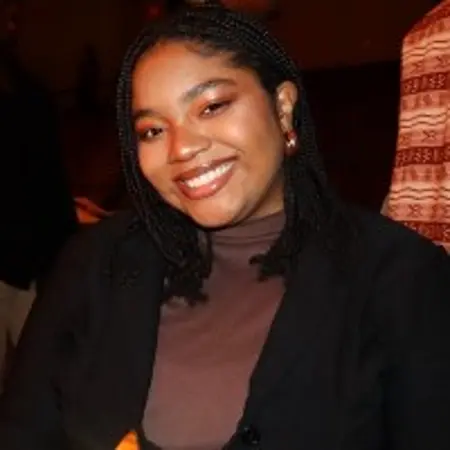
Serena Prince is a dedicated housing specialist, case manager, and emerging public affairs leader committed to advancing equitable community development in New York City. Born and raised in the Bronx, she draws deep inspiration from her upbringing in Parkchester, where thoughtful urban planning fostered a strong sense of belonging. This early experience shaped her passion for addressing systemic inequities in housing and advocating for communities that have historically been underserved due to structural racism and disinvestment. At BronxWorks, Serena worked at the front lines of housing stability, bridging relationships between landlords, brokers, and families navigating voucher programs such as CityFHEPS and Section 8. She combined direct service with strategic planning, developing partnerships, leading community workshops, and strengthening outreach efforts to ensure long-term success for the individuals and families she serves. In her current role as a Project Associate she works to preserve affordable housing and community collectives for working class communities at UHAB. Her work reflects a holistic approach to housing—one that extends beyond shelter to include dignity, access, and community connection. A graduate of Connecticut College and a Coro Fellow in Public Affairs Alumna, Serena brings both academic insight and hands-on leadership experience to her work. She has contributed to initiatives across government, nonprofit, and community-based organizations, building a strong foundation in policy, advocacy, and stakeholder engagement. Guided by creativity and a belief in building systems that center belonging, Serena continues to approach her work as both a practitioner and a visionary—committed to creating spaces where individuals and communities can thrive.
Her Interview
Ten minutes with Serena
01What do you attribute your success to?
I would definitely say community has been number one for me. I’m from New York, I grew up in the Bronx, and that’s always felt like fertile ground for community, for a collective ethos. You’re in these tight-knit neighborhoods, constantly around people— who are different from you, who think differently, who come from different backgrounds, different family experiences.
Having roots in that kind of environment really shaped me. It gave me access to a wide range of perspectives that I’ve been able to draw from, both in who I am today and who I’m still becoming. I’ve learned so much just from being in community with other people.
And that’s something that continues to shape how I show up professionally. I’m really intentional about building community in my work—not just networks of convenience, but genuine relationships that are grounded in a shared commitment to progressive change. Even in my work supporting strategic partnerships, so much of that is about cultivating community in a way that feels real and reciprocal.
So it’s something that’s followed me, both personally and professionally, and it’s something I definitely want to continue carrying forward.
02What’s the best career advice you’ve ever received?
I would say having audacity. As a younger professional, I’ve definitely dealt with imposter syndrome. You achieve all these things, but still find yourself questioning whether you belong in certain spaces—and sometimes that can make you hold yourself back from opportunities.
A mentor once told me to have audacity, and that’s really stayed with me. It shifted my mindset to: you know what, I’m just going to go for it. I don’t always know what something will lead to, but the worst that can happen is I fail, and even then, I’m still learning something.
Keeping that in mind has helped me step into spaces where I’m not always the expert. It’s helped me let go of the shame of not knowing and instead reframe it as an opportunity to grow. I remind myself that I deserve to take up space, and that there’s always something I can gain from the experience. That mindset has been really grounding for me, and it’s something I continue to carry with me as I grow professionally.
03What advice would you give to young women entering your industry?
Depending on the context, my field can be pretty male-dominated, especially when I’m engaging with landlords. In those spaces, I’ve learned how important it is to be confident, what my generation might call standing ten toes down.
Women, especially in male-dominated environments, are often tested in ways others aren’t. So for me, confidence looks like being clear on what I know and equally grounded in what I don’t. If I don’t know something, I’m honest about it. And if I do know something, I stand on that with certainty.That balance has really helped me navigate these spaces with authority. It’s about being open to feedback while still trusting your own knowledge and experience. Being self-aware enough to know the difference.
That’s what allows me to show up confidently without being arrogant, and humbly without diminishing myself
04What are the biggest challenges or opportunities in your field right now?
I think one of the bigger challenges, especially as someone earlier in my career, is that there just aren’t a lot of younger voices in these spaces. I’m often in rooms with people who have 10, 20, 30 years of experience, which is incredibly valuable— there’s so much wisdom there.
But at the same time, I think there’s a real opportunity to bring in more early-career professionals. We bring a different kind of perspective, creativity, energy, and new ways of thinking, and that kind of diversity in age and experience can sometimes be missing.
Early on, that was definitely intimidating for me. A lot of my imposter syndrome came from feeling like, “I don’t have as much experience. What do I really have to offer?” But over time, I’ve learned that everyone brings something to the table, regardless of their background.
Now I see it as both a challenge and an opportunity. Being one of the younger people in the room means I get to learn from people with deep experience, while also contributing fresh perspectives that can help shape new strategies or build on existing ones.
05What values are most important to you in your work and personal life?
I would say being authentic, staying true not just to who you are, but to who you’re becoming. I don’t think any of us are ever fixed as people or professionals. We’re always growing, always evolving, and I try to be really honest about that.
That mindset gives me a lot of flexibility in how I approach things, whether it’s my work, my relationships, or how I navigate change. It allows me to give myself the space to grow, and to extend that same grace to others. You grow with people— your peers, your colleagues, your friends, and I think there’s real value in that.
So authenticity, for me, is about embracing that evolution and using it as a barometer for how I move through new experiences and challenges.
Join Influential Women and start making an impact. Register now.