Her Story
About Serena
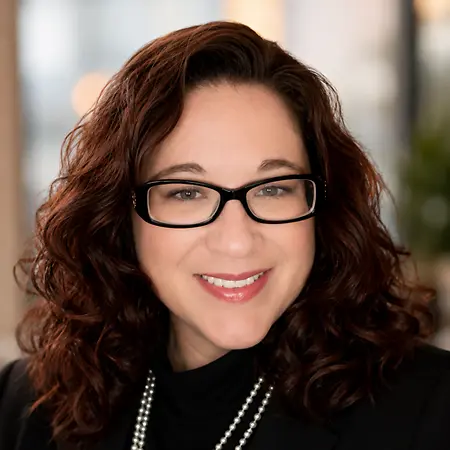
Serena Tobar is an education specialist with more than 25 years of experience in nursing, currently serving as an Education Resource Specialist at Memorial Hermann Southwest Hospital, Owner and CEO of Tobar Consulting, LLC, and Visiting Professor at Chamberlain University–Houston. Her career began as a licensed vocational nurse in Texas, spanning hospital care, school nursing, and home health, before she pursued a bridge program to become a registered nurse and went on to complete both a bachelor's and a master's degree in nursing education. She is currently a doctoral candidate at Texas Woman's University, where her research centers on artificial intelligence in nursing and the lived experiences of nurses integrating these technologies into daily practice.
Beyond her clinical and academic work, Tobar is a dedicated leader and advocate within the nursing community. She serves as president-elect of Texas Nurses Association District 9, representing nurses across eleven counties in Southeast Texas, and as Programs Director on the board of the Association for Nursing Professional Development. She hosts the podcast Why We Nurse, using storytelling to explore what draws nurses back to the profession despite its challenges, and is preparing to release her book, Nursing Reimagined, which confronts issues such as workplace violence, staffing shortages, and systemic strain within healthcare while calling for stronger boundaries and greater nurse involvement in policy.
Tobar's guiding philosophy is rooted in perseverance, honesty, and a belief in the collective power of nurses to shape the future of their profession. Having overcome early doubts about her own potential, she now works to ensure other nurses recognize theirs, mentoring emerging professionals, designing inclusive and emotionally intelligent curricula, and championing culturally responsive care for LGBTQIA+ populations. Through her combined roles as educator, researcher, consultant, and advocate, she continues to push the profession toward a future where nurses are empowered, heard, and equipped to lead meaningful change.
Her Interview
Ten minutes with Serena
01What do you attribute your success to?
I attribute my success to sheer stubbornness — I simply refuse to give up. Early in my career as an LVN, someone once dismissed my potential because of my title, comparing it to their BSN. That moment became fuel rather than discouragement; it made me decide I was going all the way, from LVN to RN to a bachelor's degree, a master's degree, and now a PhD. My path hasn't always been a straight line, but I've never let anyone else's limited view of me define what I was capable of achieving.
02What’s the best career advice you’ve ever received?
The most powerful lessons I've received have come through mentorship. Dr. Bill Boudreaux, one of my instructors during my LVN program, saw potential in me before I saw it in myself and urged me not to stop at the LVN level. Life took me in a different direction for a while, but his belief in me stayed with me and eventually brought me back to nursing education. He also taught me, through a small and deeply personal act of compassion following the loss of my child, that caring for others can take many forms and that even the smallest gestures carry the greatest meaning. Beyond individual mentors, I've learned the importance of deliberately putting myself in rooms with people who hold the positions I hope to reach one day, and trusting that I belong there even when self-doubt says otherwise.
03What advice would you give to young women entering your industry?
My biggest advice to new nurses is to stop trying to make all the money in the first year. Give yourself time and grace to grow — you can't develop as a nurse if you're working yourself to exhaustion. Set boundaries and take care of yourself first, because nursing is far more demanding than the polished image often shown on social media. At the same time, don't close doors before they're even opened. When leadership invites you to join a committee or take on a new project, don't say no right away; often they see potential in you that you haven't recognized in yourself yet, and those opportunities can open doors to growth you never expected.
04What are the biggest challenges or opportunities in your field right now?
Nursing is at a critical point of transformation. We're facing real challenges — staffing shortages, workplace violence, limited resources, and burnout — but I don't believe the answer is asking nurses to be more resilient. We've already proven our resilience many times over. The real opportunity lies in changing the systems and policies creating that strain in the first place, and in nurses recognizing our collective influence by getting more involved in professional organizations, policy conversations, and advocacy. I also see enormous opportunity in how artificial intelligence is reshaping our field; as a doctoral researcher studying nurses' lived experiences with AI, I believe we need to be part of those conversations so that technology enhances care without losing the human connection at its core.
05What values are most important to you in your work and personal life?
Honesty and integrity guide everything I do — they will take you further than anything else. Alongside that, compassion, advocacy, and education are central to who I am, both as a nurse and as a person. I believe in caring for people through empathy and presence, in speaking up and setting boundaries rather than simply enduring difficult systems, and in treating education as a lifelong process that builds confidence and critical thinking, not just a means to pass an exam. Above all, I value perseverance — staying stubborn in the best possible way, and never letting someone else's doubt about my potential become my own.
Join Influential Women and start making an impact. Register now.