Her Story
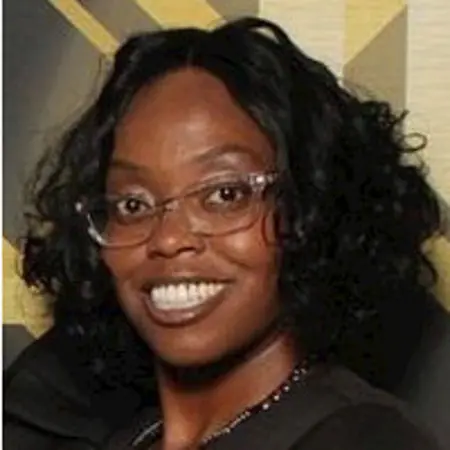
About Shaakira
Shaakira Mason-Holloway is an Executive Director and Market Director of Wealth at J.P. Morgan Wealth Management in the Greater Chicago Area, where she leads with a focus on coaching advisors, driving market strategy, and strengthening client outcomes. With nearly 30 years in financial services, she has built a career rooted in progression through retail banking, business banking, and ultimately wealth management leadership. She holds both a sociology degree and an Executive MBA from Roosevelt University, along with FINRA licenses and advanced leadership certifications.
Throughout her career, Shaakira has been recognized for her ability to develop high-performing teams and navigate complex financial environments. She began her journey in banking at a young age and steadily advanced through roles at institutions including BMO Harris Bank, PNC, Merrill Lynch, and Bank of America Merrill Lynch. Her expertise spans relationship management, compliance supervision, underwriting, and strategic sales leadership, with a consistent emphasis on mentorship and advisor development.
In her current role at J.P. Morgan, Shaakira blends technical financial expertise with a deeply people-centered leadership style. She is known for coaching advisors through both professional and personal challenges, ensuring they are equipped not only to perform but to thrive. Beyond her corporate work, she is actively involved in community and professional organizations, including the National Black MBA Association and nonprofit boards, reflecting her commitment to leadership, service, and impact.
Her Interview
Ten minutes with Shaakira
01What do you attribute your success to?
My biggest achievement is balancing being a wife, mother, daughter, and maintaining my career at its peak. I'm in the sandwich generation with a 14-year-old son and parents in their mid-70s, and I'm consistently trying to continue growing my career. What I'm most proud of is that I haven't lost my core moral values through it all. I still make dinner, I'm still a regular, traditional woman. Time has shown that typically when you see women in executive-level positions, sadly most of them are either never married or they're divorced. I take pride in showing that it's not easy, but you can balance it and keep to your core values while having a successful career. I'm also a life learner and I don't want to be left behind, which is why I'm in school now at Wharton doing an AI and Executive Leadership Certification even after 30 years in the industry. From a young age, I always wanted to understand why there were groups of people that had and groups of people that did not have, and what was the difference. That curiosity has driven me throughout my entire career.
02What advice would you give to young women entering your industry?
Don't lose your why. Whatever your why is, stay true to that. Don't lose it and turn yourself into someone that you're not. Diversity in ethnicity is very much needed and welcome in this industry. You don't have to conform to rise within your career. You be professional and all the things, that's a no-brainer, but be you while doing that. And if you're going into leadership, take compliance and regulations seriously. I told myself that Shakira and jail don't go together, and orange is not my color, so I made sure I understood how everything works. I started in compliance and supervision and learned it very, very well, and I'm so grateful for it to this day. As a market leader, I see both sides of it. I can monitor my supervision as well as push the sales. That dual perspective makes you more valuable and effective.
03What are the biggest challenges or opportunities in your field right now?
I think the biggest challenge in my industry is this transfer of wealth to a generation that has come into this world very differently than the generation who accumulated it. The way they communicate is very different. It's rapid, it's text messages. They don't wear suits, they're not coming into the bank. They just want to get a text message or do it online. Everything's fast, it's instant gratification. But I think we have to be careful, because if we don't meet them where they are, they will not retain that wealth. If we try to educate them from where our level is and how we do things, we're forging the gap wider, we're not closing it. We have to get more tech savvy and able to appreciate that rather than fight against it for the next generation. That's one reason why I did the AI certification. The generation that accumulated the wealth, the number one thing keeping them up at night is when it transfers, because they're not comfortable. So we've got to focus on that. I don't see AI as a challenge, I see it as a complement.
04What values are most important to you in your work and personal life?
The values most important to me are staying true to my core moral values while balancing all my responsibilities. I'm in the sandwich generation, managing being a wife, mother to a 14-year-old son, daughter to parents in their mid-70s, and I'm at the peak of my career. Through it all, I haven't lost the simple things that matter to me, like making dinner. I'm still a regular, traditional woman. Time has shown that typically when you see women in executive-level positions, sadly most of them are either never married or they're divorced, but I take pride in showing that you can balance it and keep to your core values while having a successful career. I'm also driven by curiosity and continuous learning. From a young age, I always wanted to understand why there were groups of people that had and groups of people that did not have, and what was the difference. That's shaped everything I do. I am a life learner and I don't want to be left behind, which is why I'm pursuing my AI and Executive Leadership certification at Wharton even after 30 years of experience. And in my work, I believe you can't deliver your best if you're not your best self, which is why I see my real job as making people's lives better.
Join Influential Women and start making an impact. Register now.