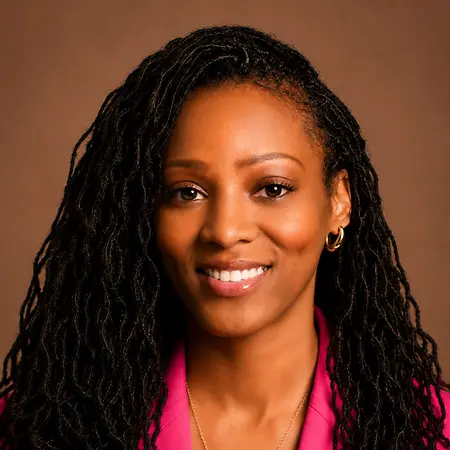
Influential Woman · Mental Health Services / Clinical Social Work
Dr. Shaniqua Lesesne, Ed.D., LISW-CP, LCSW
Dr., Renewed Image Youth and Family Services, LLC
Sumter, SC 29150
Her Story
About Shaniqua
Dr. Shaniqua Lesesne, Ed.D., LISW-CP, LCSW, is a distinguished mental health professional, organizational leader, and entrepreneur with more than a decade of experience in behavioral health, youth development, and clinical operations. As the Founder and Executive Clinical Director of Renewed Image Youth & Family Services, LLC, and serving as the Executive Clinical Director of Ragin Wellness Center, LLC, she has dedicated her career to helping individuals, families, and communities achieve emotional wellness and personal transformation.
Her expertise spans clinical leadership, trauma-informed care, mental health advocacy, and organizational wellness, making her a respected voice in both clinical and consulting settings. Driven by a lifelong passion for helping others overcome emotional challenges, Dr. Lesesne entered the mental health field after overcoming her own struggles with depression.
From an early age, she knew she wanted to become a counselor and has since built a career centered on empowering people to heal, grow, and thrive. Her private group practice integrates therapy, mindset coaching, and youth mentoring, reflecting her belief that lasting change requires a holistic approach. She specializes in treating depression, anxiety, and trauma, while also designing programs that help young people develop resilience, confidence, and healthy coping skills to break cycles of intergenerational trauma.
In addition to her clinical work, Dr. Lesesne serves as an Organizational Wellness Consultant, advising behavioral health organizations, private practice owners, and industry leaders on clinical operations, compliance, staff development, and sustainable growth. She holds a Doctor of Education in Organizational Leadership with a Behavioral Health emphasis from Grand Canyon University and a Master of Social Work from University of South Carolina.
Guided by faith and a commitment to purpose-driven service, she is passionate about expanding access to quality mental health care, strengthening communities, and helping individuals renew their lives from the inside out.
Her Interview
Ten minutes with Shaniqua
01What advice would you give to young women entering your industry?
One piece of advice I would give to young women entering this field is to know your why. That may sound cliché, but if you don't have a clear sense of purpose, it can be difficult to sustain yourself through the challenges that come with this work.
There have been moments throughout my career—whether starting out as a therapist or building a business—when things felt overwhelming. This profession requires us to help others navigate pain, trauma, and life’s most difficult experiences. If we haven't taken the time to do our own healing and self-reflection, it becomes much harder to guide others through theirs without becoming triggered ourselves. I believe the best therapists are committed to their own growth just as much as they are committed to their clients' growth.
For me, the motivation behind doing my own healing work was a desire for freedom. I wanted to become the healthiest version of myself and ensure that I wasn't causing additional harm to the people I serve. That motivation kept me going even when the work was uncomfortable or difficult.
You also have to remember that this is not a field to enter if financial gain is your primary motivation. While I believe therapists should be compensated well and that owning a business should generate income, what sustains you in this profession is genuine care for people. The moments that keep me motivated are when a client experiences an "aha" moment, gains clarity, or tells me, "I've been struggling with this all week, and you're the first person to make it make sense." Those are the true wins for me. They remind me that I'm exactly where I'm supposed to be, serving the people I'm called to serve.
So know your why, hold on to it, and be a good steward of the work you feel called to do. If you're not convinced of your own purpose and the value of what you're offering, it becomes much harder to instill hope and confidence in the clients who sit across from you.
02What are the biggest challenges or opportunities in your field right now?
I believe one of the biggest challenges in our field right now is access to mental health care. Many individuals remain concerned about the affordability and availability of services, particularly as healthcare policies and insurance coverage continue to evolve.
Another challenge is the lasting impact of the pandemic. Even years after COVID-19, many people are still experiencing heightened anxiety, depression, and difficulties readjusting to social and professional environments after prolonged periods of isolation. In my own practice, I've worked with many clients whose anxiety can be traced back to experiences that emerged during that time.
Additionally, current social and cultural events continue to shape people's emotional well-being. As an African American woman and therapist, I recognize the importance of cultural competency and creating space for clients to process experiences that may be uniquely stressful, traumatic, or identity-related. While the circumstances may differ, many of these experiences ultimately manifest through similar pathways—anxiety, depression, trauma responses, and nervous system dysregulation.
At the same time, I see a tremendous opportunity for our profession. The growing awareness of mental health has encouraged more people to seek help, and it allows clinicians to provide meaningful, trauma-informed care that supports healing, resilience, and long-term well-being.
Join Influential Women and start making an impact. Register now.