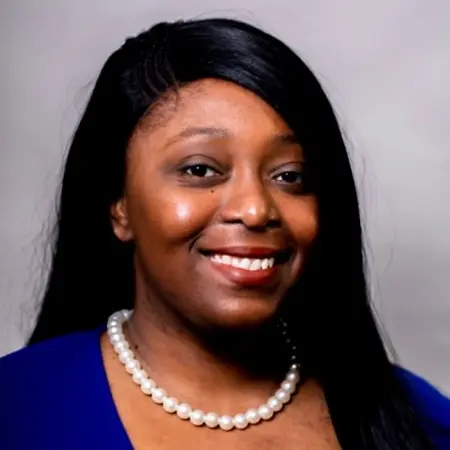
Her Story
About Shannon
I've been in social work for 10 years, and my path has been unique. I originally went to school for communication and was going to do radio and TV journalism, but I realized I would have been the journalist digging into all the stories, telling the public everything. I was either going to be that journalist or I didn't want to be a gossip journalist - I wanted something to say that would make an impact. Life happened when my aunt passed away from dialysis, and I met a social worker at the hospital who was amazing. I had watched my grandmother's progression when I was younger, so I've always had that compassion and empathy sharpened from being what we call a caregiver kid. That experience turned the switch for me. I love that social work is so expansive - you can literally be in different parts of social work with different key roles, and I don't like being in a box. I've worked in so many different types within the field. Currently, I work at a hospital doing inpatient case management for about 3 years, assisting patients with discharge planning and ensuring they have the resources to go to their next level of care safely. I also own Stock Spectrum Consulting LLC, where my mission is to ensure youth has different tools and resources to assist them mentally, emotionally, and spiritually. I do keynote speaking, consulting, and strategic planning for workplace culture. I'm creating a workbook called Selfie Scene coming out in summer - it's a guide to help kids learn to regulate their emotions, which came from an anger management group I ran with my mentor where we found that improving self-esteem helps reduce anger.
Her Interview
Ten minutes with Shannon
01What do you attribute your success to?
I've been in my profession for 10 years, and the gratification for me is the impact that I'm making. It's not just about my patient - it's that you don't know what conversation they're going to have with somebody else. When patients tell me they finally get it, or when I go above and beyond to make sure they have the education they need, and that light bulb goes off, that's the biggest thing for me. Even if someone's been diagnosed with something for a long time, it doesn't always mean they get it. So when we reiterate certain things and go the extra mile, and they say that it's starting to click, that's my biggest honor - just to know that I got you to think about something that you may not have thought about, or may not have clicked until now. That word of mouth is so crucial, and I don't think we talk about it enough. Prayer is also how I manage to do it all.
02What advice would you give to young women entering your industry?
I always encourage MSWs or BSWs to take their internships very seriously. If you can utilize that time, get into one where you have a bias in. That's what I did. For internships, it's important to work in the ones that you may have a bias in, because you'll start to learn and understand whether you can work in this area or not. Maybe you'll find that you were right and it's not for you, but you'll have a greater understanding and you can have compassion for things or for people that may have a lot of judgment passed on them. Within our field, you have to be able to overcome your own biases and things, and to have a greater understanding of that therapeutic alliance. No matter what happened, no matter what you did, I can still sit with you and hear you out and process with you. I don't have to agree with your decisions or things within your past, but I'm still going to treat you with dignity and respect.
03What are the biggest challenges or opportunities in your field right now?
One of the bigger challenges is just people not knowing. They may not know what to do, or they may not have the correct information, or they may have that information but they don't really know how to utilize it. A lot of times, I found that we talk about these things in a compound way - like you have to manage your emotions, you have to make sure you have different strategies for burnout - but we don't always necessarily give the instructions on what that truly looks like realistically. It's one thing to say you need to emotionally regulate, you need to be able to control your emotions, and then it's another thing to say, okay, we're going to stop and think, we're going to go through this process, we're going to take a deep breath, we're going to do strategies like 5-4-3-2-1 where we're finding different things to ground ourselves and we're utilizing our senses. It's a different conversation when you stop compounding this and you start breaking down what exactly does that mean - I know what you're saying, but how does that work for me? Another challenge is that within the community I work in, our resources are very limited. We don't have a lot of resources as we did before COVID, because once COVID came, it wiped a lot of the funding and wiped out some of the nonprofit organizations that had the resources at the time. Now we have to rely heavily on family, on friends, and the resources we connect may not be within a couple mile radius. The hospital is working with the community and trying to get more resources here to help the patients we serve, so it's getting better, but we're finding ourselves to be more creative.
04What values are most important to you in your work and personal life?
It's important to make sure that you have your health literacy and that people need each other - we need each other. It can be anybody, your mom, your friend, anybody - just making sure you have that strong support system in place is key, especially when it comes to health literacy. I have a passion for health literacy and making sure that we are focusing on asking those questions, having a questioning attitude, ensuring that our patients have what they need before they leave. That stands for our younger ones too, because with our kids, it's important that they know how to read as well. Everything, no matter what you do in life, you have to start with the foundation of reading and comprehension. If you don't have that, that spans through all the systems that we are operating in. I think it's important for practitioners to consider holistic ways of therapeutic interventions and to be more eclectic within your practice, making sure you have the tools that are necessary so you can really structure and cater to your clients better. Within our field, you have to be able to overcome your own biases and have a greater understanding of that therapeutic alliance. No matter what happened, no matter what you did, I can still sit with you and hear you out and process with you. I don't have to agree with your decisions or things within your past, but I'm still going to treat you with dignity and respect.
Join Influential Women and start making an impact. Register now.