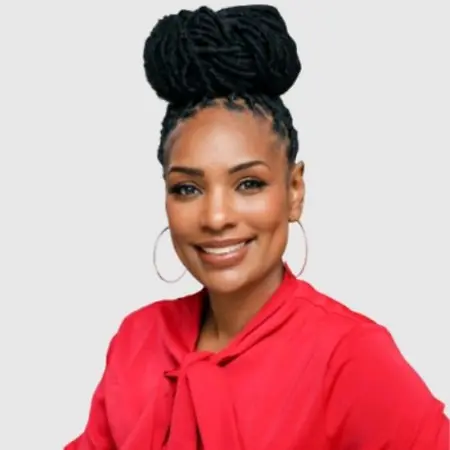
Influential Woman · Mental Health Consulting Speaking
Sharise M Nance
LCSW
Founder & CEO | Compassion Fatigue Speaker, Vitamin C Healing
Pittsburgh, PA
Her Story
About Sharise
I believe meaningful work should not come at the cost of people’s health, identity, or humanity.
My work sits at the intersection of mental health, leadership, and organizational culture supporting helpers and leaders who care deeply but are often expected to give endlessly. As a licensed clinical social worker, speaker, and entrepreneur, I’ve spent over two decades inside systems that rely on goodwill while offering little protection for the people doing the work. That lived experience shapes everything I teach.
Through keynotes, workshops, and consulting, I help organizations slow down long enough to see what’s really happening, name what’s no longer working, and build structures that support sustainability, clarity, and capacity. My approach is honest, practical, and grounded because burnout is not a personal failure; it’s often a systems issue.
I’m especially passionate about helping leaders create workplaces where people can stay well, stay engaged, and stay long enough to make the impact they were called to make.
Her Interview
Ten minutes with Sharise
01What do you attribute your success to?
Consistency, discernment, and being willing to tell the truth even when it’s uncomfortable.
I didn’t build my work by chasing visibility or trends. I built it by showing up prepared, listening deeply, honoring relationships, and staying rooted in my values. I’ve also learned to slow down, say no to misaligned opportunities, and build systems that protect my energy so I can sustain the work long-term. Success, for me, has come from choosing alignment over urgency and impact over applause.
02What’s the best career advice you’ve ever received?
You don’t have to prove your worth by overextending yourself.
Early in my career, I was taught that hard work meant always being available. The best advice I received (and the one I now live by) was to build boundaries before burnout forces them. That advice changed how I lead, how I work, and how I define success. Sustainability isn’t a luxury; it’s a leadership skill.
03What advice would you give to young women entering your industry?
Care deeply and learn early how to care with limits.
This field needs your compassion, your voice, and your leadership. It does not need your exhaustion. Seek supervision, ask questions, and build community instead of trying to carry everything alone. Learn the business and systems side of the work as much as the clinical or service side. And remember: setting boundaries doesn’t make you less committed, it’s how you stay long enough to make a difference.
04What are the biggest challenges or opportunities in your field right now?
The greatest challenge is the growing gap between demand and support.
We’re seeing increased need for mental health and social services driven by economic strain, climate-related crises, systemic inequities, and collective grief while compensation, benefits, and institutional support for the workforce continue to lag behind. Many helpers are being asked to do more with fewer resources, less pay, and limited protection from burnout.
The opportunity is that this moment is forcing long-overdue conversations. Organizations are beginning to recognize that sustainability, fair compensation, and trauma-informed leadership are not optional. There is real potential to redesign systems that support both the people being served and the people doing the serving, if we’re willing to move beyond awareness and into action.
05What values are most important to you in your work and personal life?
Integrity, wellness, and alignment.
Integrity means doing what I say I will do, telling the truth even when it’s inconvenient, and not asking others to operate in ways I wouldn’t accept for myself. Wellness matters because I’ve seen what happens when people give endlessly without support to their work, their families, and their health. I believe rest, boundaries, and care are not rewards; they are requirements.
Above all, I value alignment between my values and my work, my leadership and my life. Success that costs your wellbeing, relationships, or integrity is not success at all.
Join Influential Women and start making an impact. Register now.