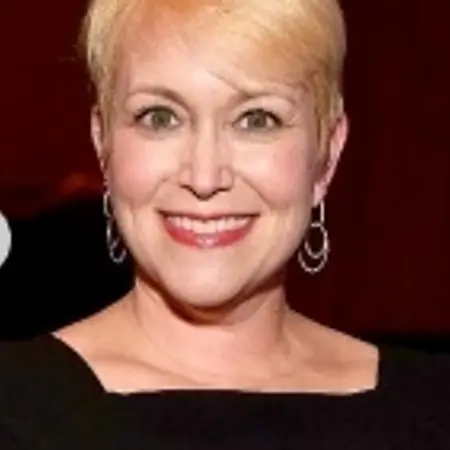
Her Story
About Sharyn
Sharyn Nichols is a seasoned Marriage and Family Therapist with more than 25 years of clinical experience, dedicated to helping individuals and couples navigate emotional challenges and build deeper self-awareness. With a Master’s degree in Psychology from Pepperdine University, she has developed a strong foundation in cognitive behavioral therapy (CBT), guiding clients to better understand the relationship between their thoughts, feelings, and actions. Her approach emphasizes that while thoughts and emotions may not always change, the power to choose new responses can create meaningful transformation.
Her path into therapy was deeply personal, shaped by her own journey through depression and self-discovery at a young age. This lived experience informs her empathetic and authentic style, allowing her to connect with clients on a profound level. Sharyn specializes in helping people break free from repetitive thought patterns, rebuild self-trust, and communicate more effectively—particularly in relationships where emotional triggers and misunderstandings often arise. She integrates practical tools with philosophical frameworks, including principles inspired by The Four Agreements, to support lasting change.
In addition to her private practice, Sharyn is the host of the “Feel to Heal” podcast and an author who shares insights on emotional healing, self-trust, and personal growth. Her work extends beyond traditional therapy by incorporating a holistic perspective that blends emotional awareness, mindfulness, and body-based understanding. Passionate about empowering others, she encourages clients and audiences alike to embrace their authentic selves and recognize that healing and growth are always possible, no matter where they begin.
Her Interview
Ten minutes with Sharyn
01What do you attribute your success to?
I attribute my success to my own deep personal healing journey, which allows me to connect authentically with others, as well as the rigorous training process—including thousands of supervised hours—that strengthened my skills and effectiveness as a therapist.
02What’s the best career advice you’ve ever received?
The best career advice I received was a suggestion that I volunteer at Suicide Prevention Center crisis lines to see if I even wanted to do counseling - to see if this would be something that I would either want to do, or feel comfortable doing, or even like doing. So I did that, and it really helped me figure out if this was the right path. If you're thinking about becoming a therapist, volunteer. Volunteer where you can get trained and then move through that process.
03What advice would you give to young women entering your industry?
Do the work, go deep. Really figure out who you are and the truth of who you are, so you can be as solid as you need to be in order to support and help others.
04What are the biggest challenges or opportunities in your field right now?
One of the biggest challenges is AI. A lot of people are going to ChatGPT for therapy. People use it because it's available at 3 in the morning if you're having an episode or you're just stuck in your own mind, and ChatGPT supposedly knows you because you're putting in all these prompts and information about yourself. So ChatGPT will tell you how things are. Some people find it helpful, though I understand the concerns about using AI as a therapist.
05What values are most important to you in your work and personal life?
Honesty is huge for me. I can't help anyone if they're not being honest with me, and most people lie by omission because they're afraid of being judged. Communication and speaking your truth kindly is important - being kind, because there's certainly multiple ways to say something. I do a lot of work with couples where I help reframe what they say so they don't trigger each other. Grace is a big thing for me. Forgiveness isn't about saying it's okay what you did - forgiveness is about being okay yourself. It's about removing blame. Living from the truth of who you are is my core. I help people learn to live from the truth of who they are, and it may take some time to peel away all the layers that we have as normal human beings. I truly believe that if I can do it, so can anybody else - I'm not any different than anyone else.
Join Influential Women and start making an impact. Register now.