
A global health leader with 18+ years of experience in conflict-affected regions shares her journey of building equitable health systems, overcoming adversity, and mentoring the next generation of public health professionals.
Her Story
About Soe Soe Aye
“I build health systems where they are needed most—on the frontlines of conflict, crisis, and change.”
I didn’t choose the easy path in public health—I chose the one with the highest stakes.
For over 18 years, I’ve worked in some of the most complex and fragile settings in Myanmar, leading efforts to strengthen health systems where access is limited, infrastructure is strained, and communities are often left behind. My work brings together leadership, policy, and partnership-building—with a focus on disease surveillance, outbreak response, and sexual and reproductive health and rights.
As a Program Director and Chief of Party, I led multi-partner consortia across Myanmar, uniting ethnic community organizations, local NGOs, and women- and youth-led groups to deliver essential health services in conflict-affected regions. In these environments, leadership isn’t theoretical—it’s about making decisions in the face of uncertainty, building trust across divides, and ensuring that care reaches those who need it most.
At PSI Myanmar and the Local Fund Agent organizations for the Global Fund grants in Lao and Thailand, I led national programs spanning maternal and child health, nutrition, and health financing—while driving initiatives in HIV/AIDS, tuberculosis, and malaria in the Southeast Asia Region. I also helped design a Universal Health Coverage pilot that could have reshaped access to care—until it was halted by the political conflict in Myanmar.
Earlier, with UNICEF, I worked to prevent mother-to-child transmission of HIV—contributing to a future where more children are born healthy, and more families have hope.
But my story is not only about programs—it’s about purpose.
Today, in the United States, I am expanding this mission through research, policy, and advocacy—working to translate evidence into action and shape stronger, more resilient health systems. I am also deeply committed to uplifting and mentoring young women, especially those from underrepresented and conflict-affected backgrounds.
Her Interview
Ten minutes with Soe Soe Aye
01What do you attribute your success to?
My success is grounded in a commitment to collaboration, adaptability, and evidence-based practice across diverse and challenging environments. Throughout my career, I have consistently sought out opportunities to work alongside partners from various backgrounds—whether leading multi-partner health consortiums in conflict-affected settings, supporting national program scale-up, or contributing to policy advocacy in the United States.
I attribute my achievements to the ability to remain resilient and solution-oriented in the face of adversity, such as navigating complex emergencies and responding to shifting political landscapes. My dedication to continuous learning—pursuing advanced degrees, engaging with leading academic institutions, and staying active in professional networks—has also been crucial.
Equally important, I am driven by a belief in the power of data and research to inform sound policy and improve health outcomes. This mindset, combined with a culturally responsive and inclusive approach, has enabled me to mentor others, foster strong partnerships, and make a tangible impact at local, national, and global levels.
02What’s the best career advice you’ve ever received?
The most powerful career advice I’ve received wasn’t a single moment—it was a shift in mindset.
Guided by mentors, professors, and advisors who saw potential in me before I fully saw it in myself, I learned not to follow predefined paths, but to look for the intersections—where my academic curiosity, professional experience, and desire to make an impact come together. They encouraged me to move beyond convention and intentionally shape a path that feels true to who I am.
That perspective changed how I define success. It’s not about collecting credentials or fitting into existing roles—it’s about aligning your work with your purpose in a way that feels genuine and meaningful. When you do that, your contributions naturally carry more weight.
In the end, their advice stayed with me in a simple but powerful way: follow your heart, stay focused, and grow into the person you aspire to become—not just professionally, but personally.
03What advice would you give to young women entering your industry?
Based on the current reality—where many public health professionals are facing job loss and the market has become increasingly competitive—my advice to young women is simple: "don’t give up".
This phase can feel uncertain, but it’s also an opportunity to be intentional. Seek out resources that can guide you toward your goals and actively build meaningful connections. I encourage getting involved in professional associations and networks in public health or related fields—through committees, working groups, or volunteer roles. These spaces bring together people from diverse academic and professional backgrounds, and they can open doors, broaden your perspective, and create opportunities you may not expect. From my own experience, this kind of engagement is incredibly valuable and can have a lasting impact on your career. At the same time, continue investing in yourself. Use this period to strengthen your skills, deepen your knowledge, and stay prepared, so that when an opportunity arises, you can step forward with confidence as a strong candidate. Finally, don’t hesitate to ask for help. Many young professionals feel they need to navigate everything on their own, but growth often happens faster when you seek advice and learn from others. Many people are willing to support, mentor, and share their experiences—don’t be afraid to reach out
This country offers many opportunities, but it also requires persistence and courage.
Build your network with purpose, keep growing, and remember—you are not alone on this journey, and there are always people and opportunities ready to support you along the way.
04What are the biggest challenges or opportunities in your field right now?
One of the most significant challenges in my career arose during my time at Population Services International in Myanmar, where I led a Universal Health Care and Strategic Purchasing pilot project. The program achieved strong results in Yangon and Chin State, and we planned to scale it nationally based on our success. However, everything changed with the military coup in February 2021. The shift in political priorities meant that expanding healthcare access was no longer a focus. Programs were halted, and the progress my team and I had worked so hard to achieve was abruptly set aside. It was deeply disappointing to see impactful work—designed to improve people’s lives—come to a standstill.
That experience became a turning point for me. It led me to reflect on where and how I could make the most meaningful impact. I decided to pursue further studies in the United States, where I believed I could engage more directly with systems that prioritize evidence-based policymaking and have stronger mechanisms for translating research and advocacy into real-world outcomes.
Transitioning to the U.S. has been both exciting and challenging. As a doctoral student and through my involvement in policy and advocacy work, I am learning to navigate a very different health system—one that involves understanding legislative processes, policy development, and the broader political and economic context. It’s a steep learning curve, but one that I find incredibly engaging and motivating.
My academic work now focuses on the economic value of immunization and health system investment. In particular, my doctoral research examines the economic benefits of childhood immunization programs in the post-COVID era—an area critical to informing policy decisions at both state and federal levels.
While my journey has required adapting to new contexts, my core purpose remains the same: to contribute to stronger, more equitable health systems and to ensure that evidence can drive meaningful and lasting change.
05What values are most important to you in your work and personal life?
For me, the values that matter most are "purpose, resilience, integrity, and compassion"— and they’ve been shaped by both my personal journey and my professional experiences.
Purpose has always been at the center of everything I do. I didn’t choose public health just as a career—I chose it because I wanted my work to make a real difference in people’s lives, especially for those who are often overlooked. That sense of purpose has guided me through both achievements and difficult moments.
Resilience became especially important during times of uncertainty and disruption. I’ve experienced situations where years of hard work were suddenly halted by forces beyond my control. Those moments were challenging, but they also taught me how to adapt, stay grounded, and keep moving forward even when the path is unclear.
Integrity is something I hold onto no matter the circumstances. Whether working with partners, communities, or colleagues, I believe in being honest, accountable, and staying true to my values—even when it’s not the easiest choice.
And compassion is what keeps my work human. Behind every program, every policy, and every dataset are real people and real stories. Remembering that helps me lead with empathy and stay connected to why this work truly matters.
Together, these values remind me not only how to act, but who I want to be—both as a professional and as a person.
Her Content Hub
Articles by Soe Soe Aye
Building Health Systems on the Frontlines of Crisis and Change
Building Equitable Health Systems Where Crisis and Compassion Intersect
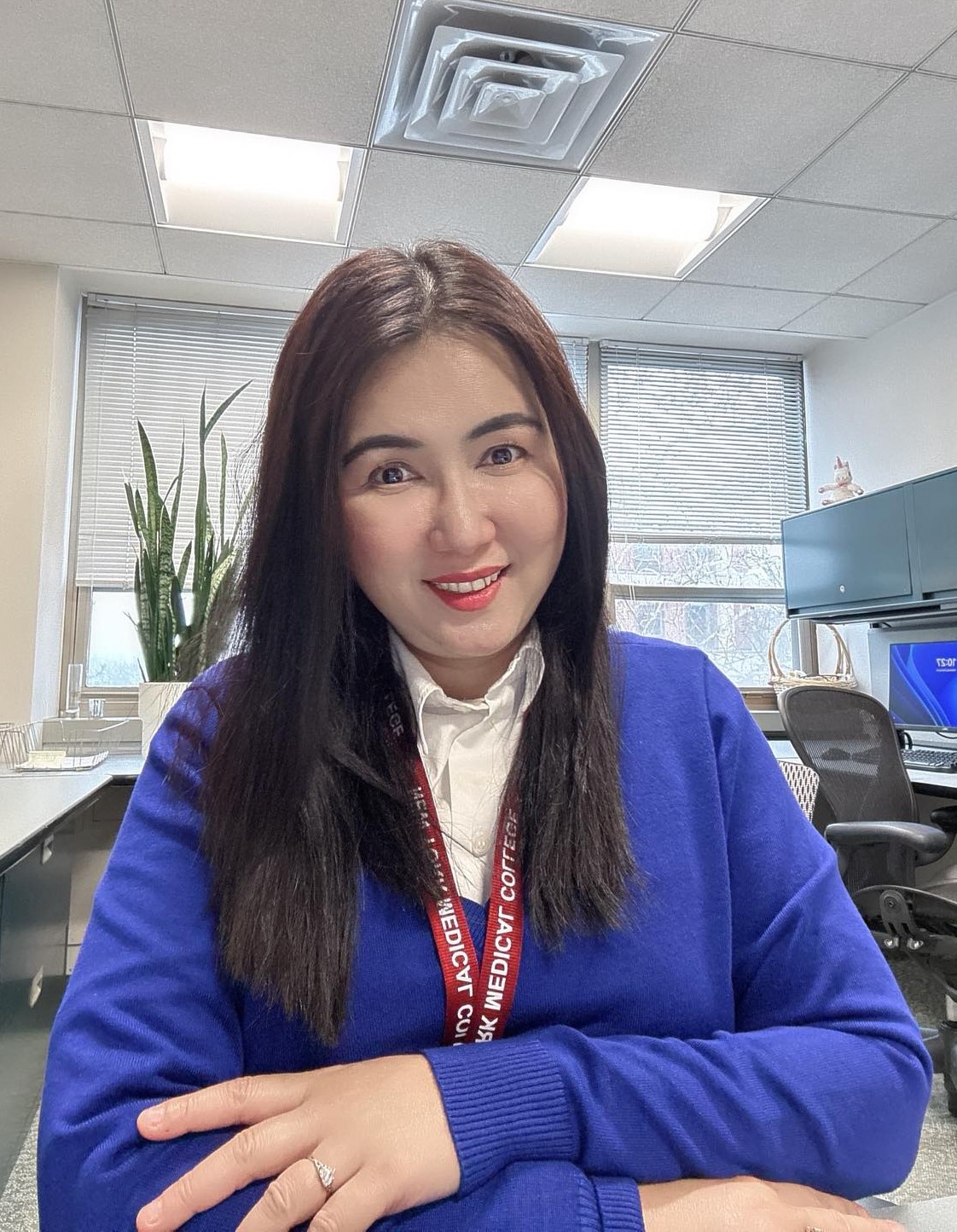
“I build health systems where they are needed most—on the frontlines of conflict, crisis, and change.”
For this global health leader and DrPH candidate, public health is not about choosing the easy path; it is about creating impact where it matters most. With over 18 years of experience in Myanmar, she has worked in complex and fragile environments, strengthening health systems where access is scarce and communities are frequently underserved.
Her expertise encompasses leadership, policy, and partnership-building, with a particular focus on disease surveillance, outbreak response, and sexual and reproductive health and rights. As a Program Director and Chief of Party, she led multi-partner consortia throughout Myanmar, uniting ethnic health organizations, local NGOs, and women- and youth-led groups to deliver care in conflict-affected regions.
“In these environments, leadership is not theoretical,” she explains. “It is about making decisions amid uncertainty, building trust across divides, and ensuring that care reaches those who need it most.”
At Population Services International (PSI) Myanmar and the local fund agents for the Global Fund grants in Lao PDR and Thailand, she directed national programs in maternal and child health, nutrition, and health financing, while advancing initiatives in HIV/AIDS, tuberculosis, and malaria in the Southeast Asia Region. One of her most impactful projects—a Universal Health Coverage pilot—delivered strong results and showed significant potential for nationwide scale before being halted by the 2021 military coup.
“That moment was profoundly challenging,” she reflects. “We had built something with the potential to transform lives, and suddenly everything came to a standstill.”
Rather than deterring her, this turning point reshaped her path. She decided to pursue further studies in the United States, aiming to engage with systems that would allow her to create sustainable change.
Today, through evidence-based policy, her work bridges research, health policy, and advocacy in the United States. As a doctoral student, she focuses on the economic value of immunization and health system investments, including the benefits of childhood immunization programs in the post-COVID era. Her goal is clear: to contribute to stronger, more equitable health systems where evidence informs action.
Yet her story extends beyond programs and policy—it is anchored in purpose.
“I did not choose public health solely as a career. I chose it because I wanted to make a meaningful difference.”
That purpose also fuels her commitment to mentoring young women, particularly those from underrepresented and conflict-affected communities. Throughout her career, she has emphasized collaboration, adaptability, and continuous learning—working across cultures, sectors, and disciplines to create meaningful impact.
Mentorship has been a defining influence in her journey. Encouraged by advisors who recognized her potential early on, she learned to move beyond predefined paths and seek alignment between her passions, skills, and purpose.
“That perspective changed how I define success,” she says. “It is not about titles or credentials; it is about engaging in work that is meaningful and true to who you are.”
In today’s increasingly competitive public health landscape, her advice to young women is both practical and powerful: persevere.
“Be intentional. Build your network, stay engaged in professional communities, and invest in your personal growth. Most importantly, do not hesitate to ask for help.”
At the core of her journey are four defining values: purpose, resilience, integrity, and compassion. These principles have guided her through political instability, program disruptions, and major transitions—while keeping her grounded in the human impact of every decision.
“Behind every policy and every dataset are real people,” she says. “Remembering that is what sustains the meaning of this work.”
Today, although her work spans continents, her mission remains steadfast: to ensure that no community is left behind and that health systems genuinely serve those who need them most.
Join Influential Women and start making an impact. Register now.