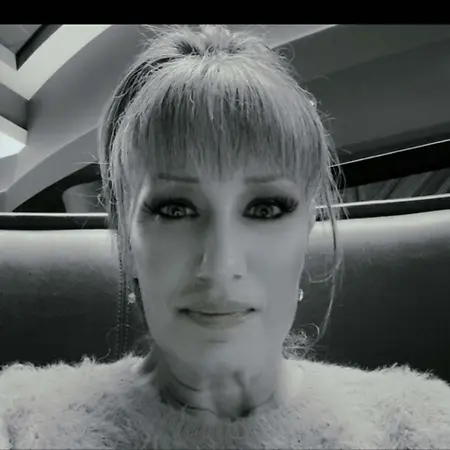
Her Story
About Stacey
Stacey McQuadeEger is an executive leader specializing in tribal government, organizational development, change management, and Indian Country development. She currently serves as Executive Director of the Stillaguamish Tribe of Indians, where she provides executive leadership and oversees day-to-day organizational operations across 39 departments. Her responsibilities include advancing organizational strategy, supporting operational excellence, aligning policies and legislation with tribal, state, and federal requirements, and working with leadership to strengthen organizational performance. Her career has included executive leadership positions with the Affiliated Tribes of the Northwest Indians Economic Development Corporation, King County, and Capitol Hill Housing, where she led organizational development, people and culture, equity initiatives, strategic planning, and operational transformation.
Stacey brings a legal and business foundation to her leadership work. She earned a Bachelor of Science in Business Administration, Management and Operations from California Coast University, with a minor in economics, followed by a Juris Doctor from The University of Montana School of Law with an emphasis in Indian Law and Transaction Law. During law school, she received the Don Axxin Fellowship and the Kathleen Fleury Award. She is also a Certified Change Management Professional through Prosci and an OKR Expert and Certified Coach in OKRs, Alignment and Measurement through WorkBoard. Her professional experience includes developing Native American programs, advising on policies affecting Native American communities, tracking federal and state policy developments, supporting culturally relevant initiatives, and facilitating collaboration between tribal communities and public-sector and community organizations.
Throughout her career, Stacey has emphasized organizational transformation, equity, collaboration, belonging, and meaningful community engagement. She describes her leadership approach as heart-centered, compassionate, curious, and grounded in listening and seeking to understand others. She identifies visibility and meaningful consultation with tribes as important priorities for the field and believes stronger pathways for tribal participation can create meaningful change. Her leadership philosophy is also deeply influenced by her family, particularly her mother and children, whom she credits as major sources of inspiration. Outside of her professional work, she is a lifelong equestrian who has competed in events since childhood and enjoys beadwork and repurposing furniture.
Her Interview
Ten minutes with Stacey
01What do you attribute your success to?
I attribute my success to my family. My mother was my best friend and continues to represent the voice in my head that encouraged me to do better. My children have each blessed me in their own unique ways throughout every stage of their lives, and seeing their successes continues to inspire me every day.
02What’s the best career advice you’ve ever received?
The best career advice I have received is to remember that it is not only what you say, but how you say it, that can make all the difference. I have also learned not to be afraid and, in all things, to manage my fear. How we communicate and how we handle fear can have a significant impact on the outcomes we create.
03What advice would you give to young women entering your industry?
Nothing is insurmountable. There is always a way through, around, or over a challenge. I encourage young women to rely on their networks, including family, friends, and colleagues, because you never know where your next source of inspiration or opportunity may come from. I also believe it is important to see situations through other people's eyes rather than relying solely on your own perspective. Listening, building relationships, and remaining open to different viewpoints can help you navigate challenges and identify possibilities you may not have seen otherwise.
04What are the biggest challenges or opportunities in your field right now?
The biggest challenge I see is visibility—making sure tribes and their perspectives are seen and are not treated as an afterthought. The greatest opportunity is to create stronger pathways for visibility and better consultation with tribes. Meaningful engagement and inclusion can help ensure that tribal perspectives are appropriately represented in decisions, policies, and initiatives that affect Indian Country.
05What values are most important to you in your work and personal life?
Being heart-centered is extremely important to me. I believe in approaching situations with compassion and seeking to understand before being understood. I value curiosity, being a good listener, and remaining open to perspectives that may differ from my own. I also believe a sense of humor is important and that being able to laugh at yourself helps maintain perspective, authenticity, and connection with others.
Join Influential Women and start making an impact. Register now.