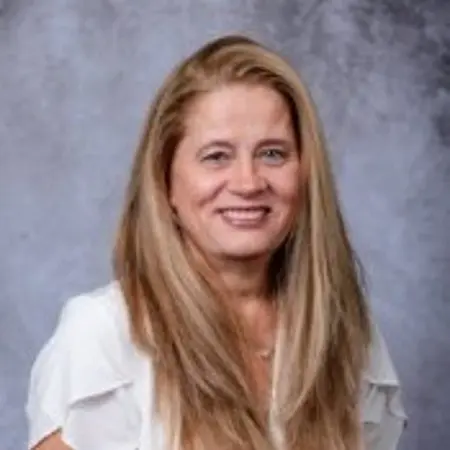
Her Story
About Starlett
I've been in healthcare since 1987, and my journey has been driven by a deep desire to help people who are sick and can't help themselves. I grew up watching my mother struggle with health issues, and that inspired me to make a difference. I went straight into nursing school from high school, and early on, I was drafted into pre-hospital care, which gave me a love for trauma. I volunteered with an EMS agency back home in Watkins Glen, New York for 12 years, and I kept seeing flight nurses come in helicopters to take patients from me. I thought, that's not only a cool way to get back and forth, but I wanted to be that nurse who could go out in the field and be autonomous, doing extra skills without a physician right there. I worked hard, taking courses and volunteering my time to get my face and name out there, because back then it was very hard to get a job in air medical. I focused on ICU and ER work, then branched out to get more trauma and advanced cardiac care experience. I was very successful in getting on a helicopter and did air medical for 23 years. In 2017, I left air medical and worked at Geisinger Medical Center in Danville, Pennsylvania as a program manager at a Level 1 trauma center for about a year and a half. Then I got an amazing opportunity to build a Level 2 trauma center from the ground up at UPMC Williamsport. I was petrified, but I knew this opportunity would never come around again, so I did it and was very successful, finishing ahead of schedule by about 2 years. After that, I realized they needed somebody to build a Level 4 trauma center just down the road, so that's what I'm doing now at a smaller hospital in Muncy. We got our Level 4 trauma accreditation this January. I guess I'm going to end my nursing career building trauma centers. In my current role, I'm not just the trauma program manager, but also the stroke coordinator, so I run two accredited programs. What I love most about my work is my interactions with patients and seeing them on their worst days. If I can be that person who shines just a little bit of a bright spot in that day, or give some closure to somebody who's lost a family member, or just be that hand that somebody can hold on to, that's a gift. Throughout my career, I've seen so much loss, but I've also seen so much good. Being there for people when they need you the most, in whatever capacity you need to be, is an honor.
Her Interview
Ten minutes with Starlett
01What do you attribute your success to?
I think for me, it's knowing I make a difference, even if it's something small. Whether it's going out in the middle of a field and bringing somebody out who's dying, doing life-saving interventions and giving them a second chance, or just being there for someone on their worst day, the trust people put in me is very humbling. In that flight nurse role, you have to do so much extra training and education, and there's so much faith put into you because there's no one else out there but yourself and your partner. You have to trust yourself. I'll be honest, I wasn't always confident when I got back. I was often scared, wondering if I did everything correctly. Every time I left the trauma bay or bedside, I would ask whoever I was handing care to, 'How could I do that better?' or 'If I did something wrong, please point it out to me.' There's always something you can do better next time. The last thing you want is to go home and live with your conscience knowing you didn't do everything you could. I know that every time I went out and made contact with a patient, I did everything I could to make a difference and give them another day with their family, or at least enough time for their family to see them and say goodbye. Being able to be that person for somebody is an honor. In my leadership roles, I've also learned that if you open yourself up, you can always learn from somebody, no matter what their role is, whether it's a volunteer provider, a nurse at another facility, or a physician. You get to teach and learn from others along the way.
02What’s the best career advice you’ve ever received?
Strong leadership is built through hard work, dedication, and resilience—knowing that even the biggest challenges can be accomplished with commitment and purpose. Humility and compassion must remain at the center of both personal and professional practice, as they shape how we lead and how we serve others. In every role, leaders should recognize the impact they make, openly share knowledge, and lift others as they grow. Embracing mistakes with honesty and accountability fosters learning, strengthens teams, and ultimately makes us better clinicians for every patient who follows.
03What advice would you give to young women entering your industry?
Believe in your voice and don’t underestimate the impact you can have. Nursing will challenge you physically, emotionally, and intellectually, but hard work, resilience, and integrity will carry you further than talent alone. Seek out strong mentors, never stop learning, and be willing to step into opportunities that feel uncomfortable—those moments are often where growth happens. Lead with humility and compassion, for patients and colleagues alike, and remember that mistakes are part of the journey; owning them builds trust and strength. Most importantly, know your worth, advocate for yourself and others, and never forget that showing up for people on their worst days is both a responsibility and an honor.
04What are the biggest challenges or opportunities in your field right now?
Trauma nursing today faces significant challenges, including workforce fatigue, increasing patient acuity, limited resources, and growing violence toward healthcare workers. At the same time, there are meaningful opportunities for nurses to lead at the systems level—strengthening trauma programs, expanding care into rural and community hospitals, mentoring future leaders, and driving quality and prevention efforts. I believe the future of trauma care depends on resilient, compassionate nurses who are willing to lead, build sustainable systems, and keep patient‑centered care at the heart of everything we do.
05What values are most important to you in your work and personal life?
The values that guide both my work and personal life are compassion, humility, integrity, resilience, and service. I believe in showing up fully for people on their worst days and treating every patient and family with dignity and respect. Hard work and accountability matter to me, but so does recognizing that we are all human—learning from mistakes and using those lessons to grow stronger. I value collaboration, mentorship, and sharing knowledge, knowing that leadership is not about titles, but about influence and example. Above all, I strive to lead with empathy, remain grounded in humility, and never lose sight of the responsibility and privilege it is to care for others.
“The best way to find yourself is to lose yourself in service of others.” — Mahatma Gandhi
This quote hangs in my office because it reflects the values that guide both my personal life and my career. Service has shaped who I am as a nurse and a leader—showing up for others on their worst days, advocating when voices feel unheard, and working quietly behind the scenes to build systems that serve patients and communities. Through service, I’ve found purpose, resilience, and gratitude, and it continually reminds me that true fulfillment comes not from titles or accomplishments, but from caring for others with humility and compassion.
Join Influential Women and start making an impact. Register now.