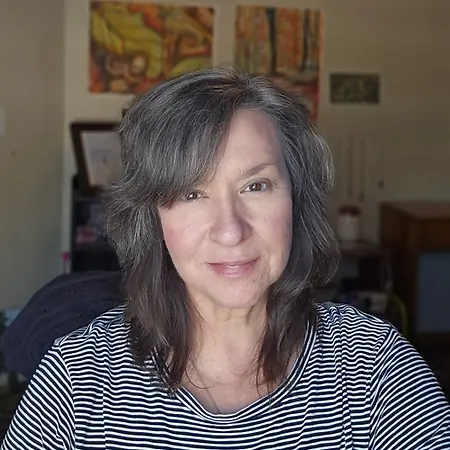
Her Story
About Stephanie
Stephanie Brace, LPC, is a dedicated mental health professional based in Stillwater, Oklahoma, currently serving as an admission counselor at Valley Hope and virtual telehealth private practice. With over a decade of experience in substance-abuse treatment and recovery support, she provides individual and family counseling, clinical supervision, and crisis intervention. Stephanie specializes in addressing depression, anxiety, grief, communication challenges, and substance use issues, integrating evidence-based strategies with a compassionate, client-centered approach. Her career journey spans roles as Clinical Director at Payne County Drug Court, Mental Health Coordinator at Cimarron Correction Facility, and counselor at Valley Hope Association. Throughout her work, Stephanie has led educational lectures, rehab groups, and therapeutic interventions, drawing on her expertise to support clients in developing healthier coping strategies and navigating complex emotional challenges. She also leverages her personal experience in long-term recovery to provide empathetic, relatable guidance to those she serves. Stephanie’s academic foundation combines creativity and human development. She earned a Bachelor of Fine Arts in Painting and a Master’s degree in Human Relations from the University of Oklahoma, later becoming a Licensed Professional Counselor. Passionate about incorporating art therapy when appropriate, she believes recovery is about reshaping thought patterns and behaviors, emphasizing innovation and individualized approaches that empower clients to achieve lasting change.
Her Interview
Ten minutes with Stephanie
01What’s the best career advice you’ve ever received?
The best career advice I ever received came from Joan Phillips, my first internship supervisor and a licensed professional counselor and registered art therapist. She taught me the importance of seeing the world through my clients’ perspectives, questioning assumptions, and evaluating situations through their lens. Her guidance shaped the way I approach therapy and client care to this day.
02What advice would you give to young women entering your industry?
To young women entering this field, I would advise prioritizing self-care and maintaining balance before focusing solely on helping others. Nurture hobbies and activities that bring you joy—they provide perspective and help offset the emotional weight of the work. Stay curious and open to learning, and never become complacent in your clinical practice. Most importantly, remember that even amidst the challenges our clients face, there is always space to find joy and fulfillment in the work we do.
03What are the biggest challenges or opportunities in your field right now?
Working in substance use treatment comes with its own weight. Supporting others through addiction and recovery while maintaining my own sobriety requires constant self-awareness and emotional regulation. The COVID-19 pandemic intensified this challenge, pushing me to stay grounded and resilient during a time of widespread burnout, loss, and uncertainty in the counseling field.
Another ongoing challenge is communicating that recovery isn’t one-size-fits-all. I often encounter expectations for quick fixes—particularly around emotional regulation and anger—when my work focuses on long-term healing, spiritual growth, and individualized approaches like art therapy.
Balancing deep professional commitment with self-care has also been essential. This field demands a lot emotionally, and I’ve had to intentionally protect space for creativity, rest, and personal joy to avoid losing myself in the work. Recognition has never been my primary motivator, so learning to accept visibility and acknowledgment has been a meaningful growth opportunity. Despite these challenges, each experience has strengthened my ability to teach, mentor, and support others from a place of lived experience, authenticity, and compassion.
04What values are most important to you in your work and personal life?
The values most important to me in both my work and personal life are authenticity and resilience. My lived experience in recovery is just as essential as my licensure—it shapes how I show up for others with honesty, empathy, and understanding. I also prioritize creativity and self-expression, whether through painting, drawing, creating blessing boxes, or occasional creative writing, as these practices help me stay grounded and bring balance to my life.
Join Influential Women and start making an impact. Register now.