Her Story
About Stephanie
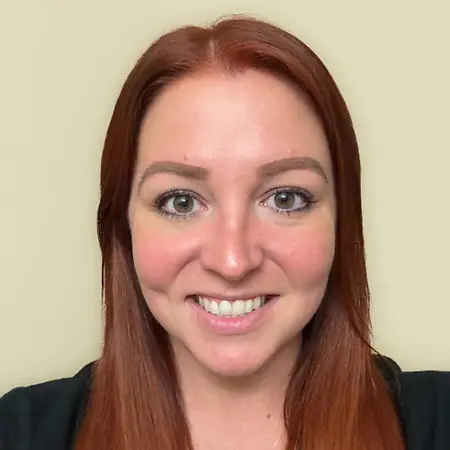
Stephanie Fegert is a dedicated special education leader committed to improving outcomes for students with disabilities, particularly in rural communities. She currently serves as Assistant Program Director at Pyramid Healthcare, where she oversees educational programs, instructional strategies, and staff development initiatives. With extensive experience in autism support, behavior interventions, and inclusive education, Stephanie brings a learner-centered approach that ensures students thrive academically, socially, and emotionally. Stephanie’s career in education has been marked by progressive leadership roles, starting as a mental health professional in schools and transitioning into teaching and administrative positions. She has a strong focus on practical solutions, team-building, and the effective integration of technology in the classroom. By strengthening systems, enhancing staff capacity, and fostering inclusive learning environments, Stephanie consistently drives meaningful change that benefits both students and educators. Currently pursuing her Doctor of Education in Educational Leadership and Administration at Marymount University, Stephanie also holds a Master of Arts in Special Education and Teaching from Liberty University and a Bachelor of Science in Human Development and Family Studies from Penn State University. She is passionate about authenticity, transparency, and long-term impact, bringing these values to her work, mentorship, and leadership in education.
Her Interview
Ten minutes with Stephanie
01What do you attribute your success to?
I attribute my success as a leader to my time in the Marines. There I learned exactly what kind of leader I wanted to be, and what kind I didn't. My journey to educational leadership started as a behavior health technician in schools, progressing into teaching autism support, and advancing into leadership roles. Throughout my career, I have emphasized authenticity as a guiding value in everything I do. I attribute my success as an influential woman, to my mother, and all the other influential women in our family who cleared the path.
02What’s the best career advice you’ve ever received?
An amazing Marine and a great leader taught me that, "It's easier to watch someone fail than to help them succeed."
03What advice would you give to young women entering your industry?
I would advise young women entering education to prepare for the emotional challenges of the field, and maintain a healthy balance between work and home life. Taking care of yourself is critical to sustaining a long and impactful career in education. Most importantly, stop letting other people set your limits.
04What are the biggest challenges or opportunities in your field right now?
Education faces significant uncertainty due to funding changes, political climates, and policy/practice changes. Special education is particularly vulnerable, often receiving less attention, which presents both challenges and opportunities to advocate for students and improve systems. Also, there is an entire generation of educators ready to retire with not nearly enough of us to fill their positions.
05What values are most important to you in your work and personal life?
Authenticity has remained the cornerstone of my professional journey, shaping how I lead, teach, and serve others. I approach parenting and leadership in the same way—what you see is what you get—and I strive to bring transparency, care, and integrity to all that I do.
Join Influential Women and start making an impact. Register now.