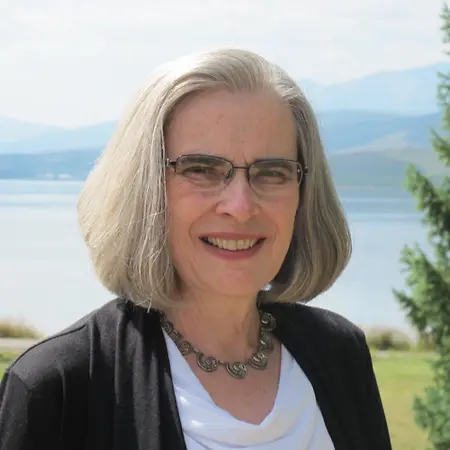
Her Story
About Susan
My career path in education spans 55 years and has been shaped by incredible mentors and a deep commitment to equity and access in science education. I started teaching after my undergraduate degree, though my university mentor, Dr. Catherine Buell, had hoped I would go directly into a master's program. After teaching for a while, I did complete my master's degree and returned to the educational field with the Omaha Public Schools. About 20 years into my teaching career, I met Dr. Elizabeth Keene from the University of Nebraska, who profoundly influenced my work around equity and access in science education. She opened my eyes to questions I'd always been interested in: who's enrolled in classes, and how do I engage more women and more students of color in the classroom? This led me to pursue my PhD in science education and dedicate my career to professional development in this area. I retired from Omaha Public Schools in 2006 but continued consulting through COVID, working about 50% time with the National Science Teachers Association. My work focused on helping science teachers engage students in the thinking and doing of science rather than just memorizing facts. I specialized in inquiry-based, project-based approaches and helped teachers implement the Next Generation Science Standards. As an introvert, I never enjoyed lecturing, so I naturally gravitated toward hands-on laboratory work and project-based learning that allowed students with different learning styles to access science content. I made deliberate choices throughout my career to balance my professional growth with raising my two children, limiting travel when they were young, becoming more involved at the state level when they reached high school, and expanding to national work once they left home. I know I probably gave up opportunities because of that, but I believe you can do both things and do a good job of both.
Her Interview
Ten minutes with Susan
01What do you attribute your success to?
I think who I am as a person really shaped me as an educator. Being an introvert, I never enjoyed being up in front of a classroom lecturing, so I tended to do more project-based work, allowing students with different learning styles to access the science content. I much preferred having students engaged in laboratory work or project-based work rather than lecturing. In my professional career, I think it was some of the recognition I received early on that opened doors that might not otherwise have been opened for me. Each of those steps propelled something else, and getting my PhD was huge as well. As awful as it sounds, there are people that want you to have that degree before you move forward in organizations or doing work. So it was a combination of staying true to my teaching style, the early recognition that created opportunities, and obtaining the credentials that allowed me to advance in the field.
02What advice would you give to young women entering your industry?
As a teacher, I would say it's very similar to being a good parent in a lot of ways. It's about loving and respecting the people you're working with, your students, but also holding high expectations of everyone, and when necessary, managing where it's required. Finding a balance of managing the classroom and determining what you want your classroom atmosphere to be like, but then truly getting to know the people you work with and respect and love them as much as you can, regardless of who they are. I'm a firm believer that every person in this world does the best they can with what they've got. So that balance between boundaries and yet opening doors to as much as possible are really important. I also want women to know that they face challenges in careers that men don't. I'm a mother of two, and I made a choice to primarily teach once my kids were in school full-time, but I did not do a lot of travel when I was off the clock because I was with my children. When they got to high school, I became more engaged at the state level, and when they were out of the house, my national involvement got to be a lot easier. I know I probably gave up opportunities because of that, but I would encourage any woman to realize you can do both things and do a good job of both. Career trajectories for women can be quite different than men because of raising children.
03What values are most important to you in your work and personal life?
Equity and access have always been at the core of my work. Throughout my career, I've been deeply interested in who's enrolled in classes and how to engage more women and more students of color in the classroom. This commitment extended beyond just students to working with teachers and ensuring all learners could access science content through different learning styles. I'm a firm believer that every person in this world does the best they can with what they've got, so respecting and loving people regardless of who they are has been central to my approach. Equity and access for women has always been an interest of mine, which is why I'm so involved with Planned Parenthood North Central States now. I also deeply value the balance between setting boundaries and holding high expectations while simultaneously opening doors to as much as possible. In my personal life, being present for my children was critically important. I made deliberate choices to limit travel and professional opportunities when they were young because when I was off the clock, I was with my children. I believe you can do both career and family well, even though the trajectory may look different.
Join Influential Women and start making an impact. Register now.