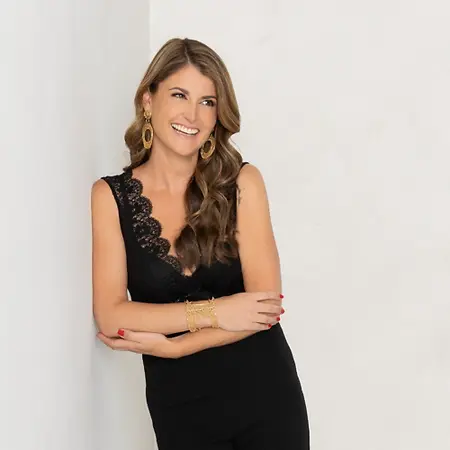
Influential Woman · Interior Design
Susan LaFleur, NCIDQ
NCDIQ
Co-Founder | Interior Designer, One Line Design Studio
Miami, FL 33145
Her Story
About Susan
With more than two decades of experience in interior design, Susan LaFleur has built a practice defined by clarity, intention, and thoughtful execution. Her work spans multifamily, hospitality, and senior living projects across the United States, where she is recognized for shaping environments that respond not only to program and aesthetics, but to how people experience space. As Chief Design Officer of One Line Design Studio, Susan sets the creative direction of the firm, guiding design strategy from early concept through completion while navigating the complexities of large-scale projects.
Susan approaches design as both a creative and strategic discipline. She values the art of hand-sketching and immersive design processes, using them as tools to explore ideas, clarify vision, and guide teams toward innovative, buildable solutions. Influenced by fashion, art, and travel, her work reflects a layered understanding of proportion, materiality, and color, resulting in spaces that feel intentional, expressive, and enduring. Central to her process is collaboration, fostering strong client relationships built on trust, clarity, and shared vision.
Susan’s work is also informed by personal experience, including travel and family life, which bring perspective and thoughtfulness to each project. Driven by a desire to combine professional excellence with a balanced life, she co-founded One Line Design Studio with Karrie Drinkhahn to create a flexible and supportive workplace. Under their leadership, the studio has grown into a successful 13-member team that thrives on creativity, innovation, and trust. Susan continues to focus on designing memorable spaces, nurturing talent, and expanding the studio’s presence, while maintaining a life that supports both professional fulfillment and time beyond the studio.
Her Interview
Ten minutes with Susan
01What do you attribute your success to?
I attribute much of my success to three mentors who believed in me at pivotal moments in my career and invested in my growth. Their guidance shaped not only my technical skills, but also my confidence, perspective, and approach to leadership.
The first was my former architect boss, who taught me how to understand space more deeply. He invested time in teaching me space planning, the relationship between architecture and interiors, and the value of viewing design holistically. By pushing me to take on challenges I initially resisted, he expanded how I think about design and problem-solving.
The second mentor introduced me to the artistic and emotional impact of spaces. He emphasized honest materials, thoughtful restraint, and developing a clear point of view. Early in my career, he shared his design philosophy and flew me to Europe to experience his projects firsthand, lessons that continue to influence my work today.
Most significantly, the third mentor was a leader within the multifamily development world who believed in me and my partner at a critical moment. He became our first trusted client, giving us the opportunity to establish ourselves and build credibility early on. His confidence laid the foundation for our growth, and I remain deeply grateful and honored to continue working with him.
Without the belief and generosity of these three individuals, I would not be where I am today. I credit them with shaping my design approach, strengthening my leadership, and giving me the foundation to build One Line Design Studio with confidence, intention, and gratitude.
02What’s the best career advice you’ve ever received?
Some of the best business advice I’ve received was simple but incredibly impactful: stick to your lane. Don’t take on work you don’t actually want to do. If you want to specialize in a particular sector, it’s important to stay focused, because once you begin down one path, more of the same work will follow.
That advice reinforced the idea that clarity and intention matter just as much as growth. Early in a career, it can be tempting to say yes to every opportunity, especially when you’re eager to build momentum. But learning to be patient and selective allows you to shape a practice around the work you truly want to do, rather than letting circumstances define it for you.
Over time, I’ve found that staying committed to a clear direction creates space for the right opportunities to emerge. When you focus on what aligns with your strengths and long-term goals, the work you want eventually finds its way to you.
03What advice would you give to young women entering your industry?
I would encourage young women entering this industry to gain experience across all phases of design. Understanding the full spectrum of the process, from early concept development through execution, builds a strong foundation and helps you see the bigger picture. Without exposure to each phase, it’s difficult to know where your strengths truly lie or where you are best suited to grow.
I would also say that it’s okay to feel uncomfortable at times. Being pushed and challenged is often where the most meaningful learning happens, even when it doesn’t make sense in the moment. Early in my career, I was challenged in ways I didn’t always understand, but with time, I’ve come to see how those experiences shaped my confidence, expanded my skill set, and prepared me for leadership.
Growth in this industry doesn’t come from staying comfortable. It comes from curiosity, resilience, and a willingness to learn, even when the path feels uncertain.
04What are the biggest challenges or opportunities in your field right now?
A key challenge in the industry is designing spaces that feel current without being trend-driven. In multifamily and senior living, design must stand the test of time while remaining warm, relevant, and adaptable as people and lifestyles evolve. Achieving that balance requires restraint, longevity, and a thoughtful understanding of how spaces are lived in over time.
At the same time, this challenge presents one of the most significant opportunities in the industry today at the intersection of multifamily, hospitality, and the rapidly growing senior living and active adult markets. Hospitality-inspired design continues to shape how people experience condominiums and senior living communities, reinforcing the idea that everyone ultimately wants a place that feels comfortable, welcoming, and like home. With our firm’s background in multifamily and hospitality, expanding into senior living feels both timely and necessary, allowing us to thoughtfully integrate elevated, experience-driven design into environments that people can confidently call home now and in the future.
05What values are most important to you in your work and personal life?
Balance between work and personal life is the foundation our company was built on. We set out to create a studio where trust, flexibility, and accountability coexist, allowing people to do meaningful, high-level work without sacrificing their lives outside the office. When employees feel supported and valued, they are more invested, more creative, and more willing to give their best.
For me, that balance is deeply personal. My boys are my why. Building a career that allows me to be present for them while pursuing work I’m passionate about has shaped every decision I’ve made as a leader. It’s what drives me to create a workplace where families are valued, time is respected, and success is measured not just by what we accomplish professionally, but by the lives we’re able to fully live alongside our work.
Join Influential Women and start making an impact. Register now.