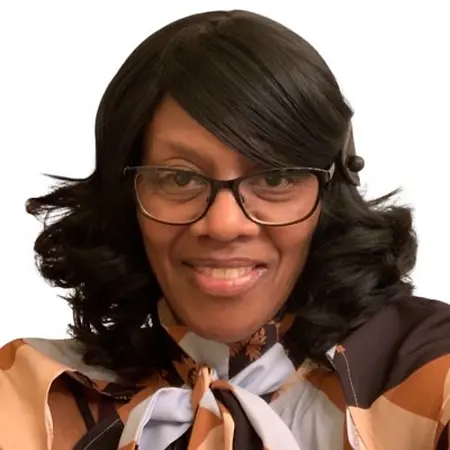
Her Story
About Tamara
My typical day involves a lot of communication and coordination work on the computer. I coordinate mental health first aid trainings for organizations throughout Philadelphia, which includes receiving requests, confirming dates, and soliciting instructors to facilitate the trainings. We generally have two instructors for each training, and I reach out to them via email. I place trainings in our databases and input data for completed trainings as well. I meet regularly with my team members who deal specifically with mental health first aid, as well as the whole training and education unit that creates curriculum for the City of Philadelphia. I also coordinate presentations for our administrative and quality units, letting other departments know about the training and education services we offer. I communicate with instructors to make sure they have all the materials they need at the facility where they are conducting the training, and I support them in any way they need. After trainings, I receive the list of attendees and input them into the database. When it's my month to coordinate virtual trainings, like in June, I have about 15 different trainings to coordinate, sending out emails to the agency, attendees, and facilitators. I also visit facilities to make sure they have all the equipment needed. I meet with instructors as needed to review material and acclimate them, especially if they are new instructors. We solicit voluntary instructors and offer them an honorarium. I make sure they have documentation, policy and procedure manuals, and support them in understanding and implementing those policies. I also help instructors who schedule their own trainings by getting them materials and creating their training entries in the database. As a program analyst, I have trained all my colleagues and my supervisor in everything related to Mental Health First Aid for the City of Philadelphia.
Her Interview
Ten minutes with Tamara
01What do you attribute your success to?
I attribute my success to my faith in the Lord Jesus Christ, my love for people, and the love I have for my family. I believe and trust that my purpose here is to help people in my community and to live the best lifetime I can. I love what I do. I love teaching people. I love transforming lives. That's what drives me and makes me successful in everything I do.
02What’s the best career advice you’ve ever received?
The best career advice I've ever received is just to be a team player. We're a team, so be there to support your team and work together as a team. I have a great team, and we work together. Because of that, we're able to serve more people in the City of Philadelphia. We have trained over 5,500 individuals in our community in mental health first aid, which is recognized in over 33 different countries around the world. We have actually trained individuals to help save the lives of young people and adults, older adults, and people in the military or that retire from the military that might need our support. We train people to recognize those signs and symptoms of a mental health challenge and to intervene early before it becomes a crisis. We are training neighbors to help neighbors, family members to help family members, colleagues to help colleagues, friends to help friends. We are transforming our community one training at a time.
03What advice would you give to young women entering your industry?
My advice to women entering my industry is to be who they are and to value their strength. Be themselves and embrace their personality and their gifts and talents. Cultivate their talents, cultivate their gifts, and use them, because nobody can do exactly what they do. Nobody can reach the exact people that they are meant to reach. Everybody has a different personality and different ways of presenting information and material. Be the person, your best self. Believe in who you are, and when you do that, you can hold your head up high and enter any room with confidence, and transform individuals. You're not just giving material, but you're actually transforming individuals' lives. You're empowering them to save somebody's life. So take pride in what you do, because you are here, and you can do it, and you can do it well.
04What are the biggest challenges or opportunities in your field right now?
The main challenge we face is funding. Getting the grants and the funding to continue the program is always difficult. Our program is really strong, and we've had support from Lady Gaga and First Lady Michelle Obama, who have taken our training and supported it as well. We believe that we need to continue to get the funding and the support that we need. It's always a challenge getting instructors that can facilitate the training for the long term because of their jobs and different things, since this is a volunteer type thing. We do offer a stipend, or what we call an honorarium, which has been increased and will start in July 2025 for the new fiscal year. The main challenge is getting the word out there so that we can train more individuals, getting it out to the community, and getting that funding that we need, along with consistent instructors to train more people. We always want more instructors.
05What values are most important to you in your work and personal life?
The values most important to me are being able to help and support people and transform their lives by helping them and empowering them to be able to help and support other people that they love and they care for. I value the ability to make a real difference in people's lives, not just by giving them information, but by truly empowering them to save somebody's life and help their community.
Join Influential Women and start making an impact. Register now.