Her Story
About Tamika
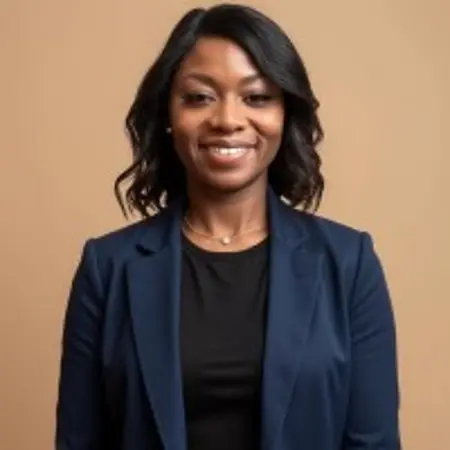
Tamika Weaver, MBA, is a nonprofit executive, program branding strategist, and grant compliance expert based in Fort Lauderdale, Florida. She currently serves as Director of Housing at Broward House Inc., where she oversees housing programs designed to improve stability and quality of life for individuals and families. With a career rooted in social services and community development, Tamika is known for her strategic leadership, stakeholder engagement, and commitment to ensuring that housing and supportive services remain a priority at the local and regional levels. Tamika’s professional journey spans more than a decade in nonprofit management, workforce development, and counseling. Prior to her current role, she held leadership roles at CareerSource Broward, providing case management and career services to low- and moderate-income individuals, and earlier worked as a counselor supporting youth and families in crisis. She holds a Master of Business Administration in Human Resources Management from St. Thomas University and is currently pursuing a Doctor of Education in Leadership and Innovation. Her expertise includes grant compliance, federal funding management, program oversight, and cultivating strong internal cultures that value frontline staff and mission-driven collaboration. Beyond her organizational leadership, Tamika is an active community advocate and speaker who regularly participates in city council meetings, commissioner sessions, and community forums to champion housing equity and sustainable development. She also leads a weekend leadership think tank that brings together faith leaders, community members, and professionals to address housing challenges and foster innovation. Passionate about service, family stability, and career development, Tamika aspires to teach at the university level and provide consulting services that equip the next generation of nonprofit and business leaders to lead with vision, integrity, and impact.
Her Interview
Ten minutes with Tamika
01What do you attribute your success to?
I attribute my success to the incredible mentorship I received early in my leadership journey. Two mentors, Debbie Bragg and Lucretia Childs, pulled me into their office when I first took on a leadership role and gave me honest feedback about my strengths and areas for improvement. They taught me that it's not just about my ability to do the job, but about my ability to connect with people and get them to buy into my vision. They told me that sometimes my passion can come off as aggressive, so I needed to learn to pick my battles, be quiet, strategize, and come back to the table with both the problem and a solution. They also taught me not to put expectations on people to perform exactly as I would, because everyone has different backgrounds and levels, and I need to take what people give me and create something beautiful out of it. That advice about leading by example, valuing my team's input, and being strategic rather than reactive has been the foundation of my success. I also believe in always being two steps ahead, staying innovative, and never forgetting that the frontline staff drive the mission forward.
02What’s the best career advice you’ve ever received?
The best career advice I ever received came from my mentors Debbie Bragg and Lucretia Childs. They told me that sometimes my passion can come across as aggressive, so I need to pick and choose my battles. They said it's okay to be quiet, strategize, and come back to the table not just with the problem, but with a solution. People respect that more than someone who is always negative or reactive. They also taught me not to put expectations on people to perform exactly as I would, because everyone's background and level is different. Whatever people give you, whether it's low, medium, or high, you take that and make it your own. You have to learn how to take what you're given and create something beautiful out of it, and that applies to the team you manage and lead as well. That advice about being strategic, leading by example, and valuing what each person brings to the table has stayed with me throughout my career.
03What advice would you give to young women entering your industry?
I would definitely say to individuals getting into nonprofit, if you're going into it for the money, then don't go. But if you're going into it because you have a love and a passion for whatever sector you choose, whether it be public health or social services, the money will eventually come. It may take long and it's very, very slow, but if you're doing it because you love working with people, you love a family-oriented organization, you love culture, and you love being able to have creative think tanks, then nonprofit management will be the place for you. We're always trying to be creative because we're competing against other organizations for federal funds and writing grants to meet what funders need. So if you're going into it because you have a love for service and a passion for service, then I say nonprofit is for you. But if you're going into it for the money, don't go.
04What are the biggest challenges or opportunities in your field right now?
The biggest challenge in nonprofit right now is the uncertainty of funding, especially in today's political climate. Your funding can be pulled at any moment, so you always have to be two steps ahead in figuring out other ways to bring money in, not only for the programs we run but also to protect the jobs of our employees. My organization is currently going through a situation where we may have some funding pulled, so I have to wear multiple hats: motivating and assuring people that their jobs are protected while we do everything we can to secure funding. Another major challenge is advocating for realistic data that reflects the actual needs of the community. For example, they tell us the median income for our county in Florida is $89,000, but not one of the people we serve makes that amount. So we have to go back to our population and figure out how to deliver on promises we've made about housing and services when the numbers don't reflect what's really going on in the community. It requires constant collaboration, relationship-building with stakeholders, staff buy-in, and creative problem-solving to stay ahead.
05What values are most important to you in your work and personal life?
Loyalty is one of my most important values, and loyalty looks different to different people, but for me it means having somebody by my side who, even on my bad days, will still buy into my vision. Even if they don't necessarily see it happening, they know I'm working behind the scenes to bring it to fruition. Another value is learning how to deal with different types of people and recognizing that everybody has something they can bring to the table. We have to learn how to value people's creative mindset, thoughts, and insights, and I don't think we do that enough. I always value the opinion of the people who work below me because they drive the machine, and my job is to take what they have and put it into fruition. Innovation is another core value for me. I love innovation and I'm very analytical, which can sometimes be a fault but also a benefit. Hard work is important too, and hard work looks different to different people because everyone's level is different, but giving your best is what matters. Advocacy is definitely a value of mine, and that can look different depending on your platform. Whether you have the audience of the president or the audience of people from low to moderate incomes, you can advocate at any level. Transparency, resiliency, and faith are also values I hold dear. COVID showed us what resilience looks like when people had to figure out how to survive and get through difficult times. And faith is one of my most important values.
Join Influential Women and start making an impact. Register now.