Confidence didn't come from feeling ready. It came from saying yes before I felt qualified. Courage comes first, and confidence follows.
Building Confidence One Decision at a Time
Explore more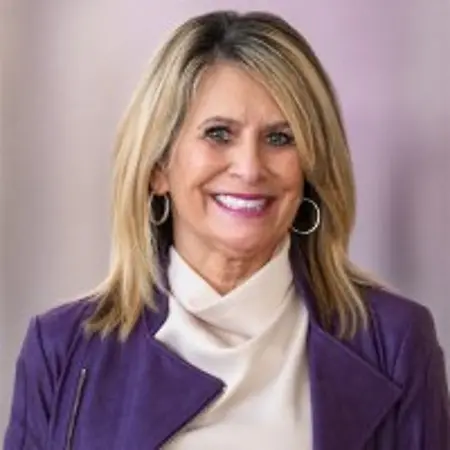
Influential Woman · Nonprofit, Addiction Recovery Services
Founder and Executive Director, OpenDoor Women's Recovery Alliance
Columbus, OH 43230
I earned trust by listening, keeping commitments, and inviting experienced people to shape the vision. Leadership is about earning credibility through humility, consistency, and service.
Tammy Adler Foeller · In Her Own Words
Confidence didn't come from feeling ready. It came from saying yes before I felt qualified. Courage comes first, and confidence follows.
Building Confidence One Decision at a Time
Explore moreHer Story
I never planned to start a nonprofit. My journey into this work began as a mother walking alongside a daughter struggling with addiction.
Like many family members, I believed that if I found the right answer, said the right thing, or worked hard enough, I could help her recover. Through that experience—and through Al-Anon—I learned one of the most important lessons of my life: we cannot fix another person. Real transformation comes from within, but healing is often supported by relationships, community, and people willing to show up consistently.
That lesson became the foundation of OpenDoor Women's Recovery Alliance. I saw that while treatment can help someone begin recovery, many women are left to navigate housing, employment, family relationships, transportation, and everyday life with little support once treatment ends. I wanted to help create a community where women felt seen, valued, and loved as they rebuilt their lives.
My faith has been the driving force behind this work. I believe every person has inherent dignity and worth, regardless of their circumstances or past mistakes. Whether I am meeting with a volunteer, a donor, a community partner, or one of the women we serve, my goal is the same: to listen well, build trust, and remind people that they matter.
At the heart of everything I do is a simple belief: healing happens in relationships, and no woman should have to rebuild her life alone.
Her Interview
01What do you attribute your success to?
Most importantly, I attribute our success to God. There have been many moments when the challenges felt bigger than my abilities, and I truly believe that God has been the driving force behind this work. I couldn't have done it on my own.
I would also attribute our success to tenacity and a willingness to keep moving forward, even when the path wasn't clear. Early on, I thought leadership meant having all the answers. One of the greatest lessons I've learned is that leadership is really about creating space for other people to thrive. It's about bringing people together around a shared mission and empowering them to use their gifts.
OpenDoor exists because of an incredible community of volunteers, donors, community partners, and women in recovery who are willing to help other women in recovery. Our success has never been about one person—it's the result of many people coming together to create hope and opportunity for others. That's what I'm most proud of.
02What’s the best career advice you’ve ever received?
The best advice I've learned—though it took me years to truly understand it—is that you can't do the work for other people.
As a mother navigating my daughter's addiction, I believed that if I found the right answer, said the right thing, or worked hard enough, I could help her get well. Through Al-Anon and my own journey, I learned that recovery is an inside job. We can love people, support them, encourage them, and walk alongside them, but we cannot do the work for them.
That lesson has shaped not only my personal life but also my leadership at OpenDoor. Early on, I thought helping meant fixing. Today, I understand that real change happens when people are empowered to make their own choices and discover their own strength.
The advice I would give others is this: don't try to rescue people. Instead, create opportunities, offer support, and trust people to do their own work. Whether you're leading a nonprofit, raising a family, or managing a team, lasting transformation comes from empowerment, not control.
03What advice would you give to young women entering your industry?
I would encourage anyone entering this field to do so with both hope and realistic expectations. This work is incredibly rewarding, but it's also one of the hardest things I've ever done.
When I first started, I thought I was going to change the world. What I've learned is that while I may not be able to change the whole world, I can help change one small corner of it. I can help impact the lives of women in my community, and that brings me tremendous joy and purpose.
I would also say it's important to set achievable goals and to be willing to adapt when things don't go as planned. Early on, we thought OpenDoor would own houses and provide housing directly. Over time, we realized that wasn't our lane. Instead of seeing that as a failure, we learned to pivot and focus on what we do best—building relationships and walking alongside women in recovery.
Flexibility is essential in this work. Organizations grow, communities change, and needs evolve. We've had to pivot many times over the years, but I've come to see those moments not as setbacks, but as growing pains. Every pivot has taught us something and helped us become more effective in fulfilling our mission.
Most importantly, don't lose sight of the hope. The challenges are real, but so is the transformation. If you can hold both of those truths at the same time, you'll be able to do this work for the long haul.
04What are the biggest challenges or opportunities in your field right now?
The biggest challenges have been building a nonprofit from the ground up and learning that I can't do it alone. OpenDoor started with three moms who simply wanted to help marginalized women in our community. Only one of us had a roadmap for building an organization, so there has been a tremendous amount of learning along the way.
For me personally, learning to ask for help has been one of the hardest lessons. I've also had to learn how to balance my family, the mission, and my own well-being. Most recently, I underwent back surgery, and it was a humbling experience. I thought I'd be back to work within a few days, but the recovery was much more difficult than I expected. For a couple of weeks, I was struggling physically and emotionally, and it reminded me that even those of us who help others sometimes need help ourselves.
At the same time, I see tremendous opportunity in this work. The addiction crisis continues to devastate individuals and families, and OpenDoor fills a unique gap in the recovery continuum. We're not treatment, and we're not housing. We're companionship, mentorship, advocacy, friendship, and community.
Our role is to walk alongside women after treatment, helping them navigate the challenges of rebuilding their lives. We can drive someone to a doctor's appointment, celebrate milestones, support them during visits with their children, or simply share a meal and meaningful conversation. Those relational supports are often the missing piece in long-term recovery.
I also believe collaboration is one of our greatest strengths. We don't replace treatment providers, housing organizations, or other community partners—we complement them. Together, we can provide the support women need to not only achieve sobriety, but to build stable, fulfilling lives.
Housing remains one of the greatest challenges facing the women we serve. Safe, stable housing is foundational to recovery. If someone doesn't have a secure place to sleep at night, it's incredibly difficult to focus on healing. That's why partnerships and community collaboration are so important. No one organization can solve these challenges alone, but together we can make a meaningful difference.
05What values are most important to you in your work and personal life?
The values that are most important to me are commitment, respect, love, integrity, and compassion. I believe in doing what you say you're going to do and following through on commitments from start to finish. People need to know they can trust your word.
I also believe strongly in being nonjudgmental. Every person has a story, and every person deserves to be seen, heard, valued, and treated with dignity. Whether someone is struggling with addiction, homelessness, incarceration, or trauma, their circumstances do not diminish their worth. I want people to know that they matter, that their story matters, and that they are worthy of love and belonging.
Most importantly, my faith guides everything I do. God has been the driving force behind this work, and I truly believe He has called me to it. When challenges arise, my faith reminds me to keep moving forward with humility, perseverance, and hope.
I also place a high value on stewardship and accountability. As a nonprofit leader, I believe we have a responsibility to honor the trust that donors, volunteers, community partners, and those we serve place in us. Just because I helped start the organization doesn't mean I can do whatever I want. Good leadership requires fiduciary responsibility, transparency, and a commitment to operating within the parameters and policies that have been established. Honoring that responsibility is an important part of serving with integrity.
Join Influential Women and start making an impact. Register now.