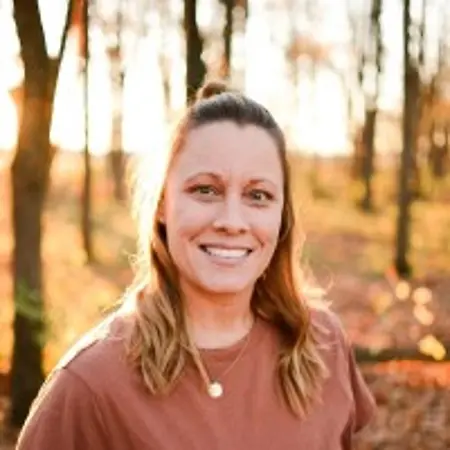
Her Story
About Tiffany
Tiffany Starr is a Grant Program Lead for the State of Ohio, serving within the Community Services Division of the Ohio Department of Development. In this role, she manages a portfolio of energy programs, housing and revitalization initiatives, and community enhancement efforts designed to strengthen Ohio communities and expand access to critical funding. Her work includes hands-on grant administration, development of program applications, timeline and milestone coordination, and ensuring effective engagement with stakeholders across the state.
She is responsible for guiding both current and prospective grantees through every stage of the funding process. This includes conducting compliance reviews, troubleshooting project challenges, and ensuring timely and appropriate expenditure of awarded funds. Tiffany also works closely with applicants to identify funding opportunities aligned with their project goals. As a key public-facing representative of state programs, she regularly presents at conferences, facilitates workshops, and staffs informational events where she educates individuals and organizations one-on-one about available grant resources and program requirements.
With more than eight years of service in the same division, Tiffany has grown from a communications-focused Special Projects Manager into a highly skilled grant management professional. Throughout her tenure, she has leveraged her background in communications from The Ohio State University to improve program accessibility, streamline stakeholder outreach, and modernize internal processes including transitioning from manual paper-based systems to more efficient online platforms for resource distribution. She is deeply committed to public service and to ensuring that funding is delivered effectively to the communities in Ohio that need it most.
Her Interview
Ten minutes with Tiffany
01What do you attribute your success to?
I attribute my success to adaptability, continuous learning, and a team-first mindset. I value collaboration deeply and take pride in contributing to group achievements rather than seeking individual recognition. My ability to evolve from a communications background into a more technical grant management role highlights my willingness to step outside of my comfort zone and grow. I've learned to be fluid and problem-solve, especially when facing challenges like funding cuts or administration changes. I believe that trust and transparency are essential for building strong teams and maintaining effective partnerships, and these values have helped me create lasting relationships everywhere I've worked.
02What’s the best career advice you’ve ever received?
The best career advice I've received is to be clear about your goals and not get discouraged if your ideas are not immediately accepted. I've learned that timing and leadership changes can create new opportunities, and persistence is key. Just because one administration or supervisor doesn't prioritize your vision doesn't mean the next one won't be on board. Sometimes people come in and they're very welcoming to new ideas and want those fresh outlooks. So if there's something you're truly passionate about and you think it will work, don't back down. Don't be afraid to pitch it again to the next administration, because what doesn't work for one leadership team might be exactly what another one is looking for.
03What advice would you give to young women entering your industry?
I would tell young women entering this industry to create your own vision and don't be afraid to speak up. Be clear about what you want to accomplish and set out to create your own goals, because not everybody is always going to be on board with what you want to do or what your vision is. But don't let that discourage you. If there's something you're truly passionate about and you think it will work, don't back down and don't be afraid to pitch it again when circumstances change. Step outside of your comfort zone and share your ideas, even in environments where decisions may be uncertain or evolving. Sometimes people come in and they're very welcoming to new ideas and want those fresh outlooks, so remain confident and persistent. Just because something doesn't work for one administration doesn't mean it won't for another one.
04What are the biggest challenges or opportunities in your field right now?
The biggest challenges in my field right now are funding limitations and administrative changes. With the current administration, some of our programs have had funding cuts, which makes it challenging for us to remain fully staffed and maintain our outreach efforts. When funding is uncertain, we often find that when somebody leaves, we all pick up pieces of that role to keep things moving, but positions don't get refilled. We've had to cut back on traveling to conferences, which impacts our ability to get the word out about our programs. We're also facing an upcoming administration change since this is an election year in Ohio, which means we'll have to re-present and re-educate new leadership on our programs. However, I see real opportunity in these transitions. A new administration gives us the ability to be creative and think outside of the box. We can create new programs or funding opportunities, find other creative ways to get the word out, and get money into communities. New leadership often brings fresh perspectives and can be very welcoming to new ideas, which allows for innovation and more creative approaches to funding and community support.
05What values are most important to you in your work and personal life?
Trust, transparency, and accountability are the values most important to me in both my work and personal life. I believe that when you can trust the people you work with, it creates a strong foundation for success. Working for the state can be very challenging as far as transparency goes, because sometimes there's only so much we can say at certain times until we have the green light for things to go public. But I've found that finding a way to communicate that barrier to people, even when you can't be fully transparent, can go a long way. That's how you build trust - by trying to be as transparent as possible with people. I think these values create a lot of camaraderie, and I've always had great teams that I've worked with. I've made lasting relationships everywhere I've worked based on these morals. It's about taking care of each other as a team - I take care of you, you take care of me, and we thrive together.
Join Influential Women and start making an impact. Register now.