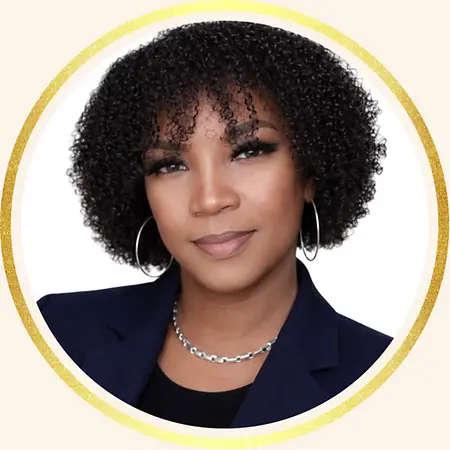
Her Story
About Tonya
Leadership has never been just a title to me — it has always been a responsibility.
For more than 20 years, I have worked in leadership roles where I’ve had the opportunity to lead teams, support people through challenges, improve organizational outcomes, and create environments where individuals can grow personally and professionally. My journey began in education, but over the years, my passion expanded beyond schools and into leadership, organizational culture, team effectiveness, and people development as a whole.
As a former principal and organizational leader, I understand firsthand the pressure leaders carry. I know what it feels like to be responsible for results while also trying to protect morale, strengthen communication, manage burnout, and keep teams aligned. Those experiences shaped the way I lead and the way I serve others today.
I believe many organizations do not fail because people lack talent — they struggle because culture, communication, accountability, and alignment are often overlooked until problems become impossible to ignore. That is why I am passionate about helping leaders build stronger teams, healthier workplace environments, and sustainable systems that allow people to perform at their best.
I hold both a Bachelor’s and Master’s Degree in Educational Leadership, but the greatest lessons I’ve learned have come from leading people in real time, solving difficult problems, navigating organizational challenges, and learning how to lead with both strength and empathy.
Today, I continue to use my experience to support leaders, organizations, and teams that want to grow intentionally, lead effectively, and create meaningful impact.
Her Interview
Ten minutes with Tonya
01What do you attribute your success to?
I attribute my success to my ability to lead people with both strength and empathy while never losing sight of the bigger picture. Throughout my career, I learned that leadership is not just about achieving outcomes — it is about understanding people, building trust, creating alignment and developing environments where individuals and teams can thrive.
My success has also come from my willingness to lead through challenges rather than avoid them. I have consistently approached leadership with resilience, accountability, emotional intelligence and a commitment to continuous growth. I pay attention to the areas many organizations overlook: culture, communication, burnout, morale, team dynamics and operational effectiveness, because I understand that long-term success is built through intentional leadership and healthy systems.
Most importantly, I attribute my success to purpose. I genuinely care about the impact leadership has on people. Whether leading teams, supporting organizations or developing others, I have always believed leadership should create positive, lasting change — not only in performance, but in the lives of the people being led.
02What’s the best career advice you’ve ever received?
The best career advice I have ever received was: “Never become so focused on the position that you forget the people.”
That advice stayed with me throughout every stage of my leadership journey. Early on, I realized that titles, metrics and outcomes matter, but the true impact of leadership is found in how people experience you while you lead them. People may forget the meetings, deadlines or decisions, but they rarely forget how leadership made them feel, how supported they were during difficult moments and whether they felt valued within the organization.
That perspective changed the way I approached leadership. It taught me that strong leadership requires more than operational knowledge — it requires emotional intelligence, self-awareness, communication, accountability and the ability to create trust within teams.
Over the years, I have learned that when leaders prioritize people, culture and alignment, performance naturally improves. Healthy organizations are built when people feel seen, heard, challenged, supported and connected to a larger purpose.
03What advice would you give to young women entering your industry?
The advice I would give to young women entering this industry is, first and foremost, be yourself. Be authentic. I believe that is the foundation of everything because if you are not honest about who you are, it becomes difficult to genuinely serve and lead other people. Authenticity matters. People can feel when someone is trying to fit into a mold instead of confidently walking in who they truly are.
One thing I have always taught my daughters is to stand tall and be confident in what they are doing. Even if you later learn something different, walk confidently in your decisions, your voice and your abilities. Too many women downplay their strengths, minimize their accomplishments or hesitate to take up space. I encourage women to stop shrinking themselves and start highlighting their skills, talents and value unapologetically.
I also remind women that if you have earned a degree, built experience and developed skills, you are not limited to one position or one path. Your degree does not belong to a job title — it belongs to you. Your knowledge, gifts and experiences can open doors far beyond what you may have originally imagined. You can take your talents and create opportunities, businesses, platforms and impact for yourself and for others.
I understand why many people are afraid of entrepreneurship or stepping into something unfamiliar. There is comfort in stability and in knowing a paycheck is coming consistently, especially in today’s economy. But I also believe growth often requires courage. Sometimes the biggest opportunities exist on the other side of fear.
So my advice to young women is this: do not be afraid to step out, to be different or to lead boldly. You will not be for everyone, and that is okay. One thing I always tell my daughters is, “You may not be everyone’s cup of tea, but somebody is drinking.” In other words, do not allow fear of opinions, criticism or rejection to stop you from becoming who you are meant to be.
Be proud of who you are. Trust your voice. Walk confidently in your purpose and never apologize for taking up the space you were created to occupy.
04What are the biggest challenges or opportunities in your field right now?
One of the biggest challenges in leadership and organizational culture right now is burnout combined with disconnection. Many organizations are focused heavily on performance and productivity, but employees are struggling mentally, emotionally and professionally. People want to feel valued, supported, heard and connected to meaningful work, yet many workplace environments have become transactional instead of relational.
Another major challenge is communication and alignment. I believe many organizations are experiencing breakdowns not because people lack talent, but because expectations are unclear, trust has weakened, accountability is inconsistent and leaders are overwhelmed themselves. When communication suffers, culture suffers — and eventually performance does as well.
I also believe leadership itself is changing. Employees today are looking for more than authority from leaders. They want transparency, emotional intelligence, authenticity and healthy workplace environments. Leaders are now being challenged to lead people, not just manage operations.
At the same time, I see tremendous opportunity in this field. Organizations are beginning to recognize that culture, leadership development, employee well-being and team alignment are not “soft skills” — they are business strategies. Companies that intentionally invest in people, communication, workplace culture and sustainable leadership practices will have a significant advantage moving forward.
I believe the greatest opportunity right now is helping organizations create environments where both people and performance can thrive together. When leaders understand how to build trust, improve culture, strengthen accountability and support their teams effectively - organizations become healthier, stronger and more sustainable long-term.
05What values are most important to you in your work and personal life?
The values that are most important to me in both my work and personal life are integrity, authenticity, purpose, compassion, accountability and growth.
Integrity is extremely important to me because I believe people should be able to trust your words, your leadership and your character even when no one is watching. I believe in leading honestly, treating people fairly and standing firmly on my values regardless of the environment or circumstances.
Authenticity is another value I hold closely. I believe people are most effective when they are confident in who they are rather than trying to fit into expectations placed on them by others. I have learned that authentic leadership creates trust, connection and healthier relationships both personally and professionally.
Compassion also matters deeply to me. Throughout my leadership journey, I have realized that people carry challenges that are not always visible. Because of that, I believe in leading with empathy, emotional intelligence and understanding while still maintaining accountability and high standards.
I also value growth and continuous development. I believe there is always room to learn, improve and evolve. Whether in leadership, relationships or personal development, I believe growth requires self-awareness, humility and the willingness to be challenged.
Most importantly, I value purpose. I want the work I do and the way I live my life to create meaningful impact. I believe leadership is not simply about influence or achievement — it is about using your gifts, experiences and voice to positively affect the lives of others and help create environments where people can truly thrive.
Join Influential Women and start making an impact. Register now.