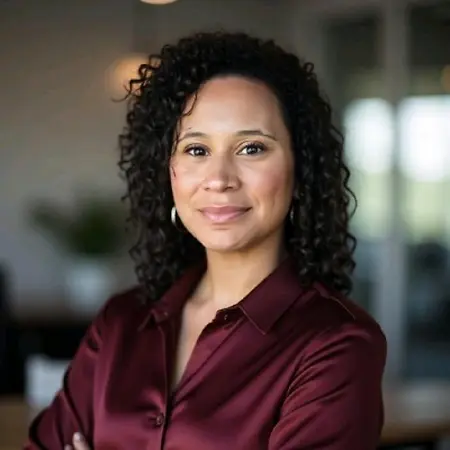
Her Story
About Tracy
Both my parents are attorneys, and growing up, I would hear them speak quite a bit about their cases and their day-to-day work. They were very passionate about it. When I was at Cornell, I had an internship at the U.S. Attorney's Office in Brooklyn, the Eastern District, which is one of the largest and busiest districts in the country. I had the opportunity to spend time with different types of attorneys who were doing all sorts of work, and they were really inspiring, really committed, very smart people who cared about what they were doing and were very much invigorated by the practice of law. There's a public service element of it, and there's just this piece of me that feels like the law is here to protect people, and you need good, smart attorneys to really be advocates for that. I finished my time at Cornell and had the opportunity to go to NYU Law School, which is a fantastic place to be and study. I started off as sort of a general litigator, not really knowing where I wanted to go, and I ended up in employment law, which is such a great practice because it really deals with people. If you think about it, how much time we spend at work, how much time we spend with our coworkers, and if you feel that you're not being treated fairly because of a personal trait or attribute, that's really damaging not just to the individual, but to the team, and ultimately to the company. I was at the Fed for 10 years in the legal group, and then this role was created, and I saw it and was like, oh, that's my job, and I'm going for it.
Her Interview
Ten minutes with Tracy
01What do you attribute your success to?
A lot of the lessons I've learned from my parents about working hard and doing the best that you can have been fundamental to my success. They were very clear - we want you to try, we want you to do the best that you can. Some days will be good, some days will be bad, you're gonna make mistakes, but keep getting up. Resiliency and just continuing to believe in yourself, and believe that today's failure can turn into tomorrow's success were things that my parents taught me very early on by how they lived their lives. I also learned not to let anyone define what I'm supposed to do or who I'm supposed to be. I remember being fresh out of law school and a partner at the law firm telling me to make copies. I'm an associate, I bill out at like $300 an hour, but you're asking me to make copies. I made them and I billed for every single minute of it. He saw it and never asked me to do it again. It was one of those moments where I could refuse, I could get angry, or I can just kind of do this and go on with the rest of my time here and decide where are those battles. Not letting everything bother you and deciding which battles are worth fighting is another thing that has helped me really progress.
02What advice would you give to young women entering your industry?
Get into work on your skill sets, work on your presentation, and really think about how can I move and advocate for myself when these opportunities come. I was at the Fed for 10 years, and then this role was created, and I saw it and I was like, oh, that's my job, and I'm going for it. Don't be afraid if you don't have the exact skill set in every single thing. Think about ways that you can use the things you've already done to bridge those gaps. I wasn't managing when I was in the legal group, I had never managed before, and that was a piece that I knew was going to be a hurdle for me to now move into a management role, but I had so much other experience with supporting managers and advising them that I really leaned on that. You should have that growth mindset, where you're continuously thinking, okay, how can I get better at the things I do know, and how can I learn more about the things I don't. It's so important to work on your skill sets, to make sure that we have specialties, we understand the law, and we also understand how important it is to build that trust with those that we are working with. And don't let anyone define what you're supposed to do or who you're supposed to be. Believe in yourself, have that confidence, no matter what, through all of the challenges. If it is a passion for you, let it continue to fuel you.
03What values are most important to you in your work and personal life?
I am a very, very big fan of honesty. I think it is so important to be honest with ourselves, to be honest with each other. So much of what I do is built on trust. If employees don't trust you, they are not going to come forward, they are not going to share with you, they're not going to speak up. Why should they about these personal issues? So, being very transparent, being very clear about what your intentions are, doing what you say you're going to do and meaning it. That's my number one in so many things. I'm also just a big fan of fairness, and that's a lot of how I was drawn to the employment law space. I want to be evaluated fairly, I want to be thought of fairly, I want to be treated in a way that is respectful and decent, and that's basically what everybody wants. It's just so important to live those values of fairness and respect, and be aware of how we are engaging and how we're supporting others.
Join Influential Women and start making an impact. Register now.