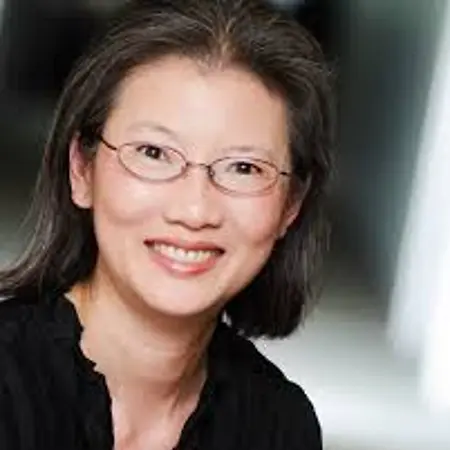
Her Story
About Veronica
Veronica Bundt, AINS, AIC-M, ARM-P, AU, CCP, ACP, CRCR, is a Healthcare Contract Specialist at Pinnacol with more than 24 years of experience in the insurance industry. Her journey into insurance wasn’t planned after being laid off from Chase Mortgage, she joined a training program for new claims adjusters at Pinnacol. What began as a necessity evolved into a fulfilling career, as she advanced through various levels of claims and eventually into medical operations. Today, Veronica ensures a high-quality medical provider network that delivers best-in-class care under workers’ compensation at cost-effective rates for Pinnacol’s employer members.
Known for her self-motivation and commitment to growth, Veronica actively pursues learning opportunities ranging from formal public speaking and financial literacy courses to mastering Excel and professional development programs. She serves on the Claims and Litigation Management chapter in Denver and acts as the Colorado ambassador for the Alliance of Women in Workers’ Compensation, building relationships, mentoring others, and influencing the industry. Her work in contract negotiations and provider relations directly impacts members’ outcomes, delivering meaningful cost savings and quality care behind the scenes.
Despite facing the personal challenge of stage 4 cancer, Veronica maintains a positive and grateful mindset, inspiring those around her with resilience and focus. She believes in celebrating her unique gifts and contributions, unapologetically taking her seat at the table, and leading with integrity, empathy, and dedication. Her professional achievements, combined with her commitment to people, culture, and innovation, make her a trusted leader in the workers’ compensation and insurance community.
Her Interview
Ten minutes with Veronica
01What do you attribute your success to?
I attribute my success to several key factors. First and foremost, I'm very motivated and willing to pay the price while learning, investing my own time and even covering expenses when needed. I'm creative and resourceful - I'll figure out ways to explore tuition reimbursement or look for scholarships to pursue what I'm interested in. I've discovered I'm particularly good at contracting and negotiations, and I find I enjoy the skills that come with this work. What really drives me is knowing that every day I do a great service for our members, even though they'll never know what I do or who I am. My efforts to bring cost savings in the medical provider network and negotiate with doctors for less reimbursement directly impacts what our members pay in medical costs, and that's incredibly rewarding. I also take advantage of mentorships and invest heavily in professional and personal development courses. I believe in being at the right place at the right time and building connections, because you never know when one person may open a door for you in the future or provide information that elevates you in the eyes of others. It's about continuous learning, staying curious, being resourceful, and finding deep satisfaction in serving others even when the work goes unrecognized.
02What’s the best career advice you’ve ever received?
The best career advice I've received comes from a few meaningful moments. One is from the Disney movie Mulan - I use this line with my mentees: 'I will be very excited when the student surpasses the master.' I truly mean that. When people ask me to mentor them and I ask why, they often say 'I like how you live your life,' which is a great compliment, but I want them to understand that the package they admire didn't show up miraculously. It's about using the gifts God has given you, shaping and honing them, investing time to develop yourself while also lifting others. Another piece of advice that stuck with me was when I was switching roles and one of our vice presidents simply said, 'Go and do great things.' It's a broad stroke, but the idea is powerful - whatever it is, go and do something great. I also remember an elementary school teacher who challenged me when I labeled myself as 'not a creative person.' She pointed out all the creative choices I made in how I styled my hair, what ribbon I chose, and helped me see that creativity exists in all the little choices we make in life, even if it's not our primary strength. That taught me to look at all the things I do and recognize that we all have different layers of every skill. I celebrate the specific gifts God has given me, and I don't apologize for having a seat at the table.
03What advice would you give to young women entering your industry?
My advice to young women entering this industry is to be open to exploring new things, but at the same time, really know yourself. When you truly know yourself, you can focus on the strengths God has given you rather than desiring something that wasn't how you were designed. It's important to have an important toolset - be willing to learn, be curious, and show interest in others, because you never know when it comes back to help you. Celebrate yourself the way you are, with whatever greatness you have and whatever limitations you have, and recognize that someone else will have greater strength in your area of weakness. Instead of wasting time trying to be somebody you're not, celebrate who you are and uplift someone else by tapping them for their skill set. When I'm working on a team, I always look for people who are stronger in certain areas - whether they take notes well, design presentation slides, or excel at Excel - because I know that's not my greatest skill set. Can I do it? Absolutely, but it takes me five times as long. I know my skill set is bringing the best people to the table, and by using and leveraging your strengths without diminishing others, you lift them up in their skills. It's a win for everybody. Learn to be curious, be generous with your praise, and celebrate somebody else's win as though it was yours. That will set you apart. And most importantly, don't apologize for having a seat at the table - there's a reason why you're called upon or tapped on the shoulder first, so embrace that even if you're nervous or dealing with imposter syndrome.
04What are the biggest challenges or opportunities in your field right now?
In workers' compensation specifically, the landscape is challenging right now. While it is a profitable line, we're seeing more competitors coming into the market. Pinnacol is Colorado's largest workers' compensation carrier, but we are losing market share when we see other payers come in, so that's a significant challenge. Another major challenge is the erosion of institutional knowledge and wisdom, especially after COVID. With people working remotely and not wanting to come into the office, those over-the-wall learnings and things you hear from your neighbor in an open pod workspace design are being missed because people are so isolated. While you can chat and ping people quickly on Zoom, that piece of connection is missing. There's also the challenge of balancing productivity with engagement - when you're engaging with colleagues, you're connecting with them, and that's so important because that's what makes people come to work every day and feel good about the company. They have friends in the company, and they support each other through personal stuff. But now people are connected yet isolated at the same time. We've even had staff move out of state from where our headquarters are. The benefit of working remotely is valued, but coming together quarterly or every six months for company-wide meetings brings great energy, though you're not going to be doing much actual work. Despite these challenges, I know my value and the strength of the company I represent, and I focus on continuing to serve our members well.
05What values are most important to you in your work and personal life?
Faith is at the very core of my life and has been for many, many years. It guides a lot of my decisions and life choices, and when I stay focused on God and divine providence, I'm not as disturbed by what happens in the world or in the company - whether it's a merger, acquisition, layoffs, or colleagues being fired. I've learned to stay focused on things I can control. We know that the majority of things we worry about don't come to pass, so I ask myself: is this something I'm going to worry about? Do I actually have say over it? Do I have control over that? When I don't, I don't waste time on that. I only put energy and focus on the small percent that I can control, because worrying about the rest is a waste of energy, time, and resources. This applies to my personal life, work, mentoring others in church, and volunteer work - it's about making sure we are investing in the decisions that actually cause our life to flourish and thrive, as opposed to things that are not healthy for us, including relationships or connections that are unhealthy or poor lifestyle choices. I'm also fighting stage 4 cancer, so health is extremely important to me, and I keep a positive and grateful mindset. I try to make less bad choices and invest in places that help life flourish. Contentment is also key - I've learned that contentment next to godliness is indeed great gain. When something good happens to a colleague that I wish happened to me, being able to celebrate them is important because in that freedom, I become a better person and feel much better about myself. Church, family, and community are very important, and I do a lot of volunteering through my church and community.
Join Influential Women and start making an impact. Register now.