Her Story
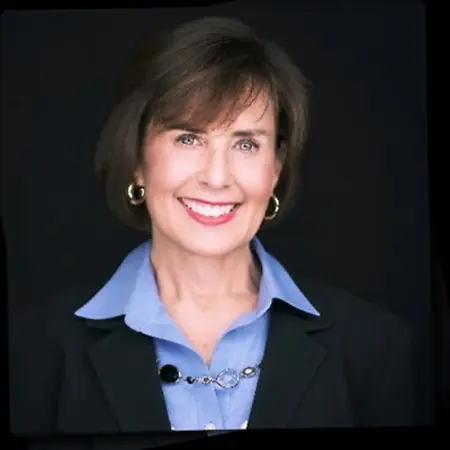
About Wendy
I've spent about 30 years in biotech, and from the beginning, I found my purpose and meaning in what I do. I feel very lucky because I don't think it was intentional when I started - I just found it really fast. I've had the privilege of bringing meaningful therapies to families and working specifically in patient advocacy. My work focuses on patient-centric drug development, empowering and educating rare disease communities. I'm responsible for building frameworks to make this possible, and I get to engage with patients every day. I work to bring everyone to the table - finance people, legal people, manufacturing people - to have that connection to patients and believe that patient verbatims are data, so we move things forward faster. I've had a very expansive, enterprise leadership resume, working in many different functions and doing different parts of the work that make this biotech and pharmaceutical ecosystem happen. This has given me the chance to see how all parts of the business are active and why decisions are made.
Her Interview
Ten minutes with Wendy
01What do you attribute your success to?
I believe a lot of it is about being willing to say yes and dive into things, not being afraid to ask for help, but also not being afraid to make decisions and move forward. I like to say I talk fast, walk fast, and work fast. Diving into new situations is a big part of it, but I have a high amount of resilience. I'm a relentlessly hard worker, and I think that when you add that up, it all kind of contributes to this growth mindset that's helped me be successful.
02What’s the best career advice you’ve ever received?
I had someone tell me early on in my first leadership role: Don't hire 10 Wendy's. Hire 10 people that bring different perspectives to the table and challenge you. That has proven to be really empowering. I think if you're a Type A leader - my dad's a four-star general, so I grew up in that environment - there could be a tendency to charge forward. But I've been a very collaborative leader that works on building trust and making sure all voices are represented, and it all stems to that early advice when I was very young in my first management role. I'm glad I heard it then. I've been very open to new opportunities and new roles in areas that I wouldn't have sought out necessarily, and probably felt uncomfortable in the beginning. I've had a very expansive, enterprise leadership resume, working in many different functions and parts of the work that make this biotech and pharmaceutical ecosystem happen. That's given me the chance to see how all parts of the business are active and why decisions are made that may not seem obvious in your area of functional expertise. Building the right teams around me have enabled that curiosity to just continue.
03What advice would you give to young women entering your industry?
I think it's a huge responsibility and a very big privilege to mentor young women. I tell them to take and learn from as many people as they can, but also not to shy away from commanding a room. I was just talking to a young woman on my team, and she started the conversation with 'I'm sorry to ask this,' and I just said, please don't start with an apology. You have a really important question, and your voice is valuable for you in this space, and we need to look at it that way. I think just helping particularly young women build that confidence early, so that they have a seat at that table, and they know they've earned it later.
04What are the biggest challenges or opportunities in your field right now?
I'll speak more specifically to what I do within this industry - leading patient drug development, patient advocacy, and engagement. There isn't a single person in this industry that would stand up and say patients don't matter, but they don't often implement and execute work that aligns with that core principle. It's shockingly still so hard, because to me it's just obvious. If you look in other industries, whether it's the rental car business or the hotel business, customer-centric decisions are commonplace. You don't really do anything or make a change without getting input from your customers, and we're just in this big business that's different. My work is like pushing a bucket of water uphill. Some of it gets to the top, a lot of it comes blowing back down, and we have to start over. That still remains the biggest challenge - I'm still trying to figure out what the secret sauce is to just make this endemic and easier. And then there are a lot of external pieces that we don't control. Science is really hard, it's not a straight line, it takes a long time. So while we have this urgent mission, we have to be rooted in strong science, and that's not as straightforward. It's really a winding path, and that's still a big challenge.
05What values are most important to you in your work and personal life?
They're very intertwined. I don't think you can work as hard as we all do and not have a clear way to not just articulate values, but to live them. I've been very focused on that from the beginning. My personal values are really integrity, compassion, accountability, and caring for others. I think that is with my children and my husband and my colleagues - really working from a place of integrity and honesty. But also being able to bring empathetic leadership to the table is really important to me.
Join Influential Women and start making an impact. Register now.